
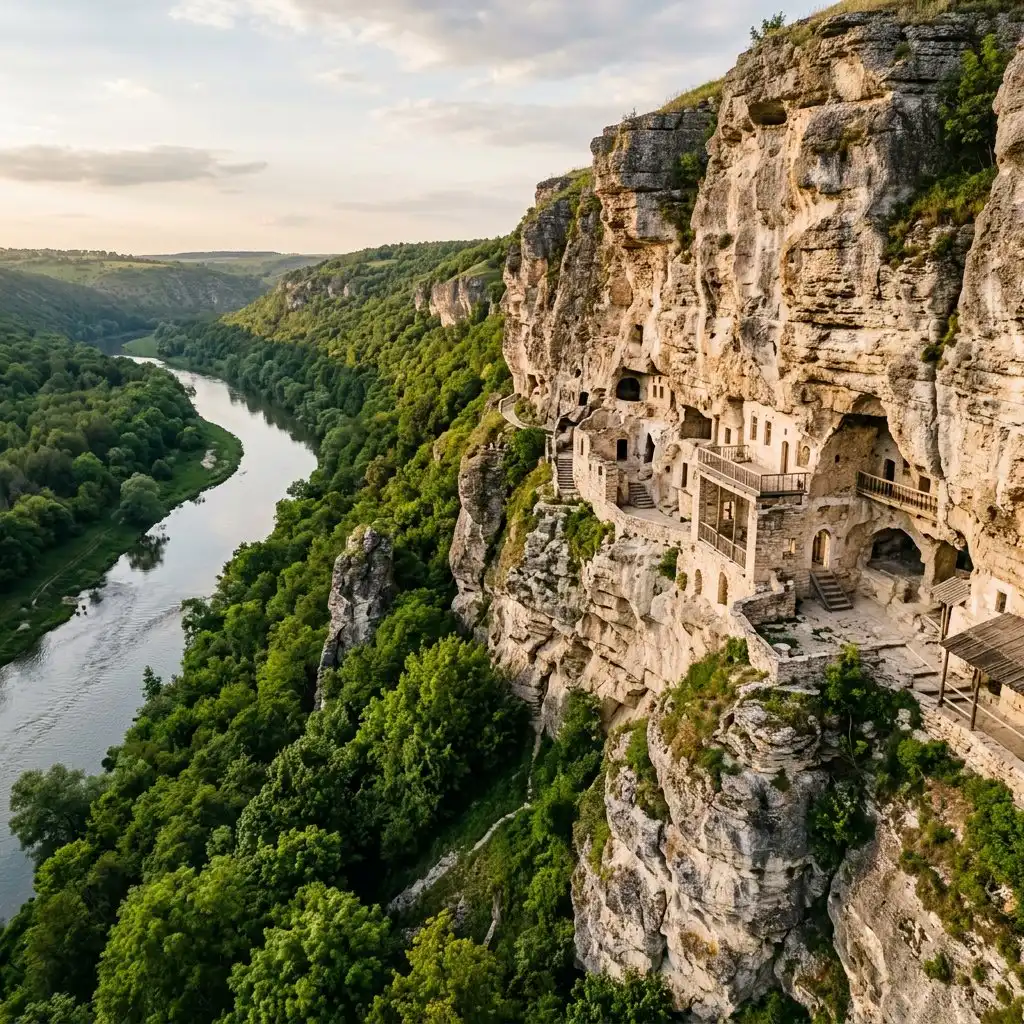

In the heart of Eastern Europe, hidden away in a landscape that feels frozen in time, lies one of the most remarkable spiritual and natural sanctuaries on the continent. As of 2026, travelers seeking off-the-beaten-path adventures are increasingly turning their gaze toward the Republic of Moldova. Among its many treasures, the Tipova Monastery stands out as a true marvel of human ingenuity and natural beauty. Carved directly into the limestone cliffs overlooking the winding Dniester River, this complex is not just a place of worship; it is a testament to centuries of resilience, faith, and the enduring power of the natural world.
Recent tourism data from 2026 indicates that interest in “slow travel” destinations has surged by nearly 30 percent, with sites like Tipova becoming prime examples of why travelers are ditching crowded urban centers for quiet, contemplative landscapes. Whether you are an avid hiker, a history buff, or someone simply looking to find peace away from the digital buzz of modern life, the combination of the Tipova Monastery and the surrounding Dniester River valley offers a profound experience that stays with you long after you leave.
The History Carved in Stone
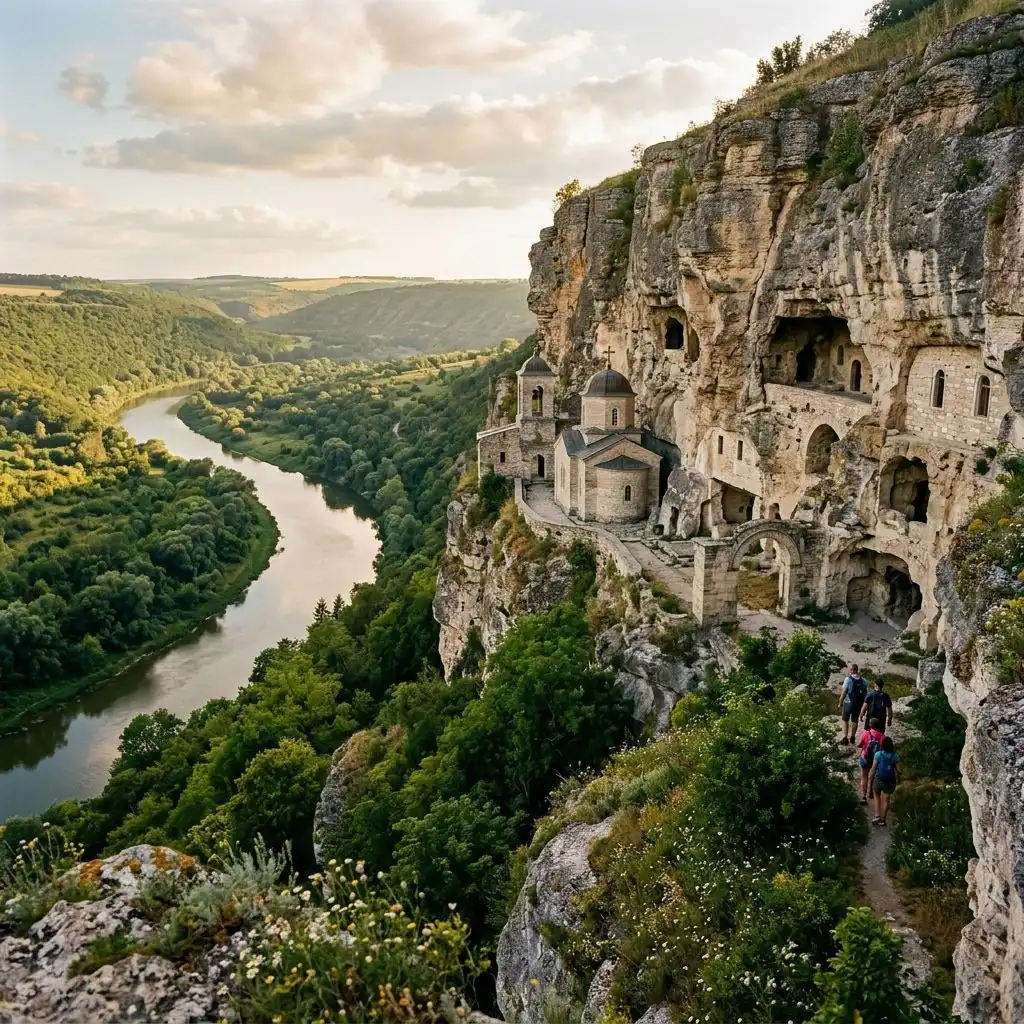
The history of Tipova Monastery is as deep and layered as the rock faces that house it. While the exact origins are shrouded in legend, historians believe the initial hermitages were established as early as the 11th century. These early monks were seeking solitude and a place to practice their faith away from the prying eyes of invaders and the distractions of the outside world.
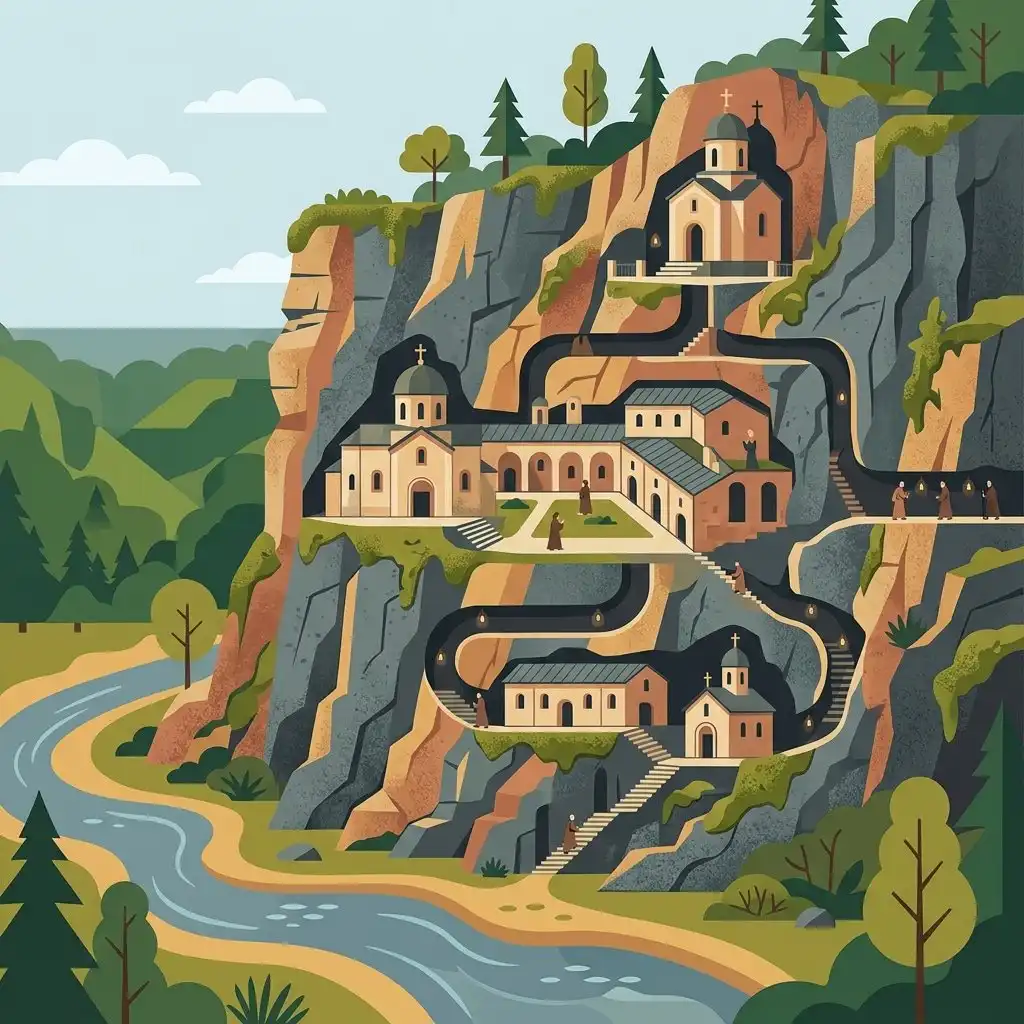
The monastery is divided into three main complexes, all connected by narrow, winding tunnels and staircases carved directly into the cliffside. The oldest section, known as the “Church of the Holy Cross,” is a breathtaking sight. Walking through these cool, stone-hewn corridors, one can almost feel the presence of the monks who lived here hundreds of years ago. The acoustics of the main chapel, combined with the dim light filtering through small, high-set windows, create an atmosphere of immense solemnity and peace.
During the medieval period, the monastery expanded significantly. It wasn’t just a place for prayer; it served as a fortress for the local population during times of conflict. The strategic location, perched high above the Dniester River, provided an ideal vantage point to spot approaching armies. The monks were known not only for their religious devotion but also for their knowledge of medicinal plants and their role in preserving local culture and literature during times of political instability.
The Natural Splendor of the Dniester River Valley
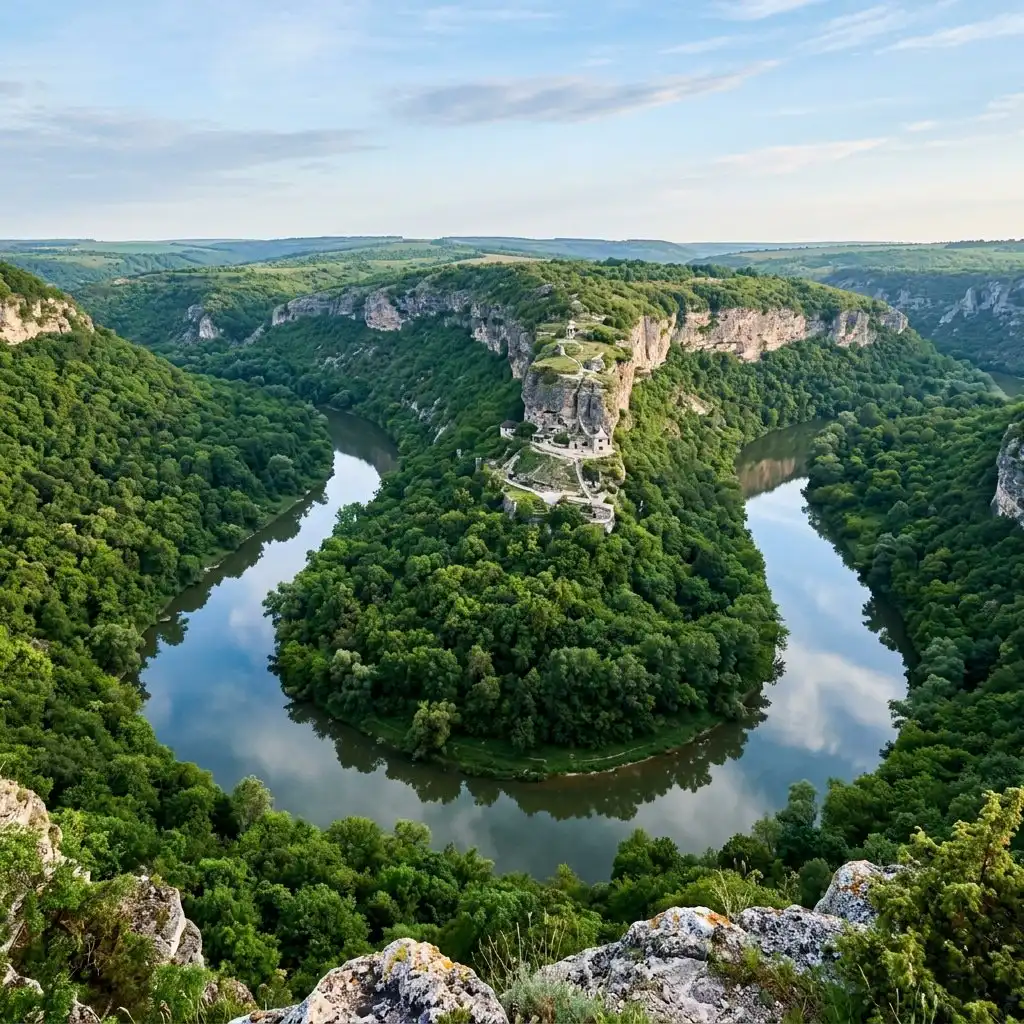
While the architecture is the main draw for many, the natural setting of Tipova is what truly steals the show. The Dniester River, which serves as a natural border between Moldova and the breakaway region of Transnistria, cuts through the landscape with a grace that has shaped the terrain for millions of years. The river valley is characterized by dramatic, steep limestone cliffs that rise sharply from the water, creating a canyon-like effect that is rare in this part of Europe.
The area surrounding the monastery is a protected nature reserve, home to a diverse array of flora and fauna. As you hike down from the monastery toward the river, you will pass through dense forests that are especially vibrant in the spring and autumn. If you visit in the summer of 2026, you will find the lush greenery providing a cool canopy against the heat of the sun. The air here is remarkably clean, filled with the scent of wild thyme, sage, and the damp earth of the riverbank.
Waterfalls and Hidden Trails
One of the most enchanting features of the Tipova region is its series of waterfalls. As the small streams and springs from the plateau above find their way down to the Dniester, they create a cascading effect that is nothing short of magical. There are several waterfalls within a short walking distance of the monastery. The most famous of these, often referred to as the “Tipova Falls,” drops into a secluded pool surrounded by moss-covered rocks and ancient trees.
For those who enjoy hiking, the trails around the monastery are well-marked but remain rugged enough to feel like a true adventure. You can spend hours wandering through the valley, discovering hidden caves, rock formations, and viewpoints that offer panoramic vistas of the Dniester River. It is common to see local wildlife, including various species of birds of prey that nest in the high cliffs, circling above the river in search of their next meal.
Cultural Significance and Modern Pilgrimage
In the modern era, Tipova Monastery serves as both a functional religious site and a cultural landmark. It is an active monastery, meaning that monks still reside and pray within its walls. Visitors are welcome, but it is essential to maintain a respectful demeanor. This means dressing modestly—covering shoulders and knees—and keeping noise levels to a minimum.
The monastery also holds a special place in the hearts of Moldovans. It is a site of national pride and a pilgrimage destination for those seeking spiritual renewal. Many locals visit on religious holidays, bringing a unique energy to the place that differs significantly from the quiet, introspective atmosphere of a weekday visit. If you want to experience the monastery in its most serene state, aim for a weekday morning in the off-season.
Planning Your Visit in 2026
If you are planning to visit Tipova in 2026, there are a few practical considerations to keep in mind. The site is located about 100 kilometers north of the capital, Chisinau. The drive takes roughly two hours, and while the main roads are in decent condition, the final stretch toward the monastery can be quite bumpy. Renting a car is the most flexible way to get there, allowing you to explore the surrounding villages at your own pace.
Pack comfortable, sturdy footwear. The paths around the monastery and down to the river are steep, uneven, and can be slippery after a rainfall. You should also bring plenty of water and snacks, as there are limited facilities directly at the site. A basic first-aid kit and a light jacket are also recommended, even in the summer, as the temperature inside the rock-cut rooms is consistently cooler than the outside air.
For those who want to turn their day trip into a longer excursion, there are several guesthouses in the nearby villages. These accommodations provide a wonderful opportunity to experience authentic Moldovan hospitality. You will likely be served traditional dishes like mamaliga (a cornmeal porridge), placinte (savory or sweet pastries), and locally produced wine. The people of this region are incredibly welcoming, and sharing a meal with a local family is often a highlight of the trip.
The Spiritual Legacy of the Rock Monasteries
The practice of carving monasteries into rock, known as troglodytic architecture, is not unique to Moldova, but the scale and integration of Tipova make it exceptional. This architectural style was often a response to the harsh realities of life in the Middle Ages. By building into the cliff, the monks created structures that were naturally insulated, defensible, and visually integrated into the landscape.
Walking through the corridors today, one gets a sense of the sheer labor involved. Without modern tools, these spaces were chiseled out by hand, stone by stone, over many decades. The dedication required to build such a place is a testament to the strength of the spiritual conviction of those who lived here. It forces the modern visitor to slow down and consider the lives of those who traded worldly comforts for a life of asceticism and prayer.
The Dniester River as a Lifeline
The river itself is a character in the story of Tipova. For centuries, the Dniester has been a lifeline for the people of this region. It provided water, transportation, and a source of food. Today, it remains the lifeblood of the valley. Efforts to protect the river and its ecosystem have become a priority for local environmental groups. As you walk along its banks, you will see evidence of these conservation efforts, from clean-up initiatives to the protection of native fish species.
The river is also a popular spot for kayaking and fishing. If you have the time, renting a boat or joining a guided kayak tour can provide a completely different perspective on the monastery. Seeing the cliffs from the water, you can truly appreciate the height and the scale of the rock-cut structures. It is a humbling experience to look up from the water and realize that you are viewing the same sight that travelers and monks have seen for nearly a millennium.
Why Tipova Should Be on Your Travel List
In a world that is becoming increasingly homogeneous, places like Tipova offer a rare glimpse into a unique cultural and historical identity. It is a site where history is not just behind glass in a museum; it is under your feet, above your head, and integrated into the very environment you are breathing. It is a place that rewards curiosity and patience.
Whether you are looking for the perfect photograph, a challenging hike, or a quiet moment of reflection, Tipova delivers. It is a reminder that some of the most beautiful places on Earth are not found in guidebooks or on social media feeds, but in the quiet corners where nature and human history converge. As you stand on the edge of the plateau, looking out over the winding Dniester River as the sun begins to set, you will understand why this place has been considered sacred for so long.
What is the best time to visit Tipova Monastery?
The best time to visit is during the late spring (May to June) or early autumn (September to October). During these months, the weather is mild, and the landscape is either lush and green or painted in the vibrant colors of the changing leaves. Summer can be quite hot, and the hike down to the river can be taxing in the midday sun, while winter can make the paths icy and difficult to navigate.
Is there an entry fee for the monastery?
As of 2026, there is a small nominal fee for entering the monastery grounds, which goes toward the maintenance and preservation of the site. It is always a good idea to carry some local currency (Moldovan Leu) in small denominations, as it is also helpful if you decide to buy local honey, herbs, or handicrafts from vendors near the entrance.
Can I hike the entire area in one day?
Yes, you can certainly see the main monastery complex and the primary waterfalls in a single day. However, if you want to explore the more remote trails, visit the nearby villages, or simply spend more time by the river, two days would be more comfortable. There are several guesthouses in the vicinity that offer a great way to extend your stay and experience the local culture more deeply.
Are there guided tours available?
While you can explore the monastery on your own, hiring a local guide can significantly enhance your experience. A guide can provide historical context that you might otherwise miss, explain the significance of the various chambers, and help you find the best viewpoints for photography. Many tour operators in Chisinau offer day trips to Tipova, and you can also find local guides in the neighboring villages.
Is the site accessible for people with mobility issues?
Unfortunately, due to the nature of the terrain and the architecture, the site is not easily accessible for people with mobility issues. The paths are steep, uneven, and often involve stairs cut into the rock. If you have concerns about your mobility, it is best to enjoy the views from the upper plateau near the entrance, which still offers breathtaking panoramas of the river valley.
What should I pack for a trip to Tipova?
Essential items include sturdy walking shoes or hiking boots, a hat, sunscreen, and a reusable water bottle. Because it is a religious site, remember to bring a scarf or a light jacket to cover your shoulders if you are wearing a tank top. A camera is a must for the spectacular views, and a small backpack will help you carry your essentials while keeping your hands free for the steeper sections of the trail.
Conclusion
The Tipova Monastery and the Dniester River valley represent a harmonious blend of spiritual history and natural wonder. In the year 2026, as more people look for travel experiences that offer depth and meaning, this hidden gem in Moldova stands out as a destination that truly delivers. From the ancient, cool stone of the cliff-side cells to the rushing waters of the hidden waterfalls, every aspect of the site invites you to slow down and appreciate the beauty of the world around you.
Whether you are a seasoned traveler or someone looking for your next great adventure, Tipova offers a unique perspective on the resilience of human faith and the timeless majesty of the natural landscape. It is a place that challenges you to walk a little further, climb a little higher, and look a little closer at the world. By visiting this remarkable site, you are not just seeing a historical monument; you are becoming part of a long tradition of travelers who have sought out the peace and perspective that can only be found in the quiet corners of the earth. As you plan your itinerary for the coming months, consider adding this Eastern European treasure to your list. You will find that the journey to Tipova is just as rewarding as the destination itself, leaving you with memories of dramatic cliffs, rushing water, and a sense of profound serenity that is hard to find anywhere else. The Dniester River continues to flow, carving its path through the land just as it has for millennia, and the Tipova Monastery continues to stand as a silent, steadfast guardian of the valley—a true testament to the beauty that endures when we take the time to seek it out.