
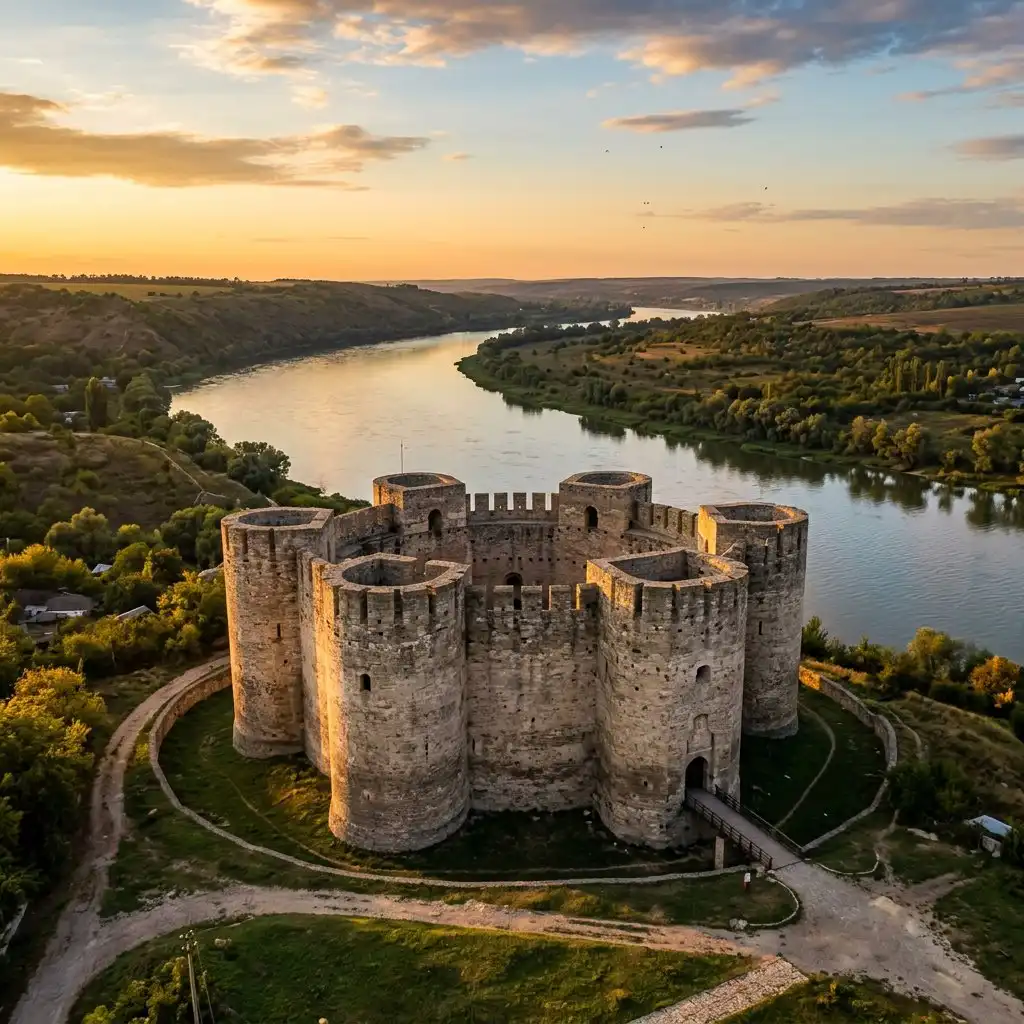

In the heart of Eastern Europe, nestled along the winding banks of the Dniester River, stands a silent sentinel that has watched over the region for more than five centuries. As of 2026, archaeological data confirms that the Soroca Fortress remains one of the most structurally sound medieval military installations in the entire region, having survived countless sieges, imperial expansions, and the relentless march of time. This architectural marvel, which once served as a vital link in the defensive chain of the Principality of Moldavia, continues to draw thousands of travelers who seek to touch the cold, rugged stones of the Middle Ages.
The fortress is more than just a tourist attraction; it is a testament to the ingenuity of 15th-century military engineering. Unlike many other fortifications that have crumbled into ruin, the Soroca Fortress retains its original circular design, a feature that was quite advanced for its era. By exploring its history, architecture, and the surrounding cultural landscape, we gain a deeper understanding of how medieval societies protected their borders and defined their identities against the backdrop of shifting geopolitical power.
The Origins and Historical Significance of Soroca Fortress
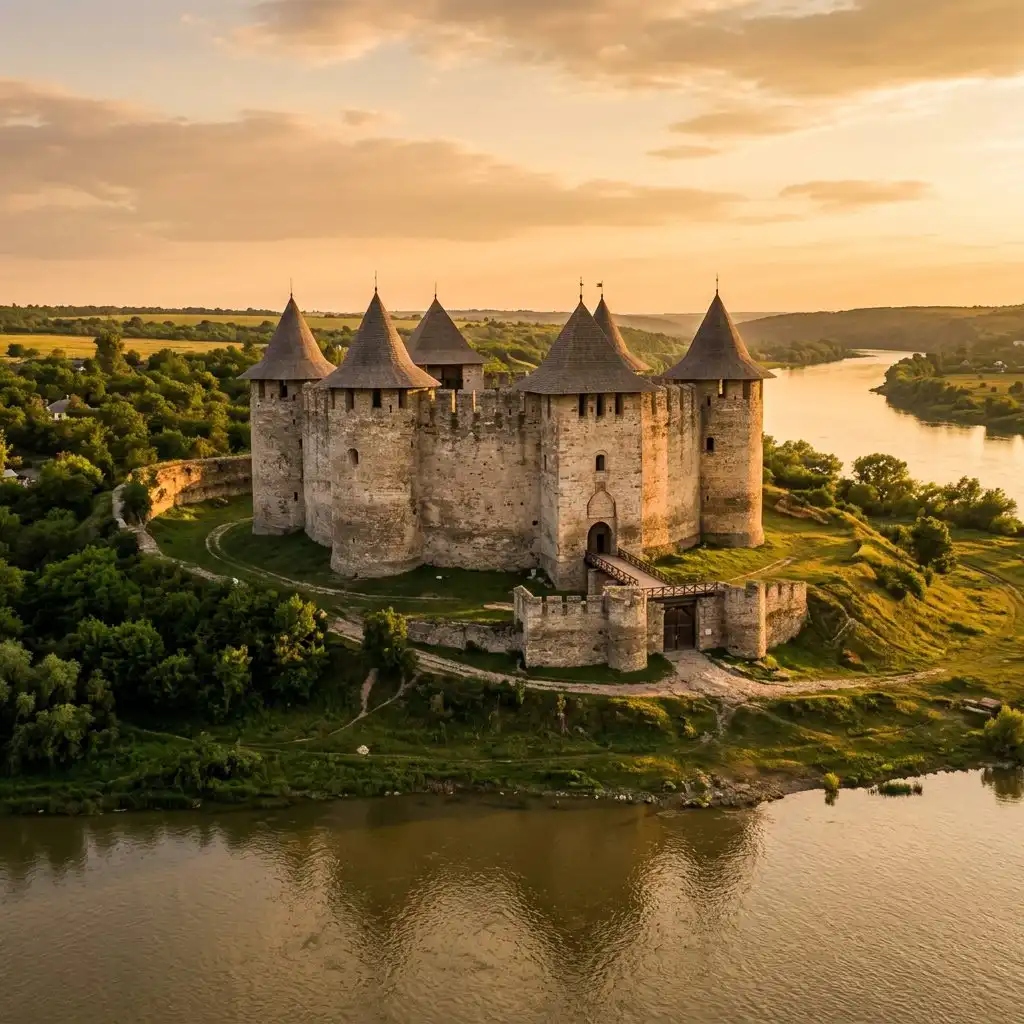
To understand why the Soroca Fortress exists, one must look back to the strategic necessity of the 15th century. During the reign of Stefan cel Mare, also known as Stephen the Great, the Moldavian Principality faced constant threats from the Ottoman Empire, the Tatars, and various neighboring powers. The Dniester River served as a natural border, but it was also a major transit route for invading armies. Stefan cel Mare recognized that without a fortified presence at this crucial river crossing, the heart of his territory would remain vulnerable.
Originally, the site featured a wooden fortress. While efficient for the time, wood was highly susceptible to fire and the damp conditions of the riverbank. History indicates that between 1543 and 1546, during the reign of Petru Rares, the wooden structure was replaced with the stone fortress we recognize today. This transition was part of a larger defensive strategy to secure Moldavia’s eastern frontier.
The fortress was built with a unique circular plan featuring five bastions. This design was not merely for aesthetic appeal; it was a tactical masterstroke. The rounded walls allowed for better deflection of projectiles and prevented the accumulation of dead zones where attackers could hide. It was a sophisticated response to the evolution of gunpowder weaponry, marking a turning point in how fortifications were constructed across the continent. Throughout the centuries, the fortress served as a refuge for local populations and a garrison for soldiers, witnessing the rise and fall of various empires before becoming the protected cultural heritage site it is today.
Architectural Mastery in Stone
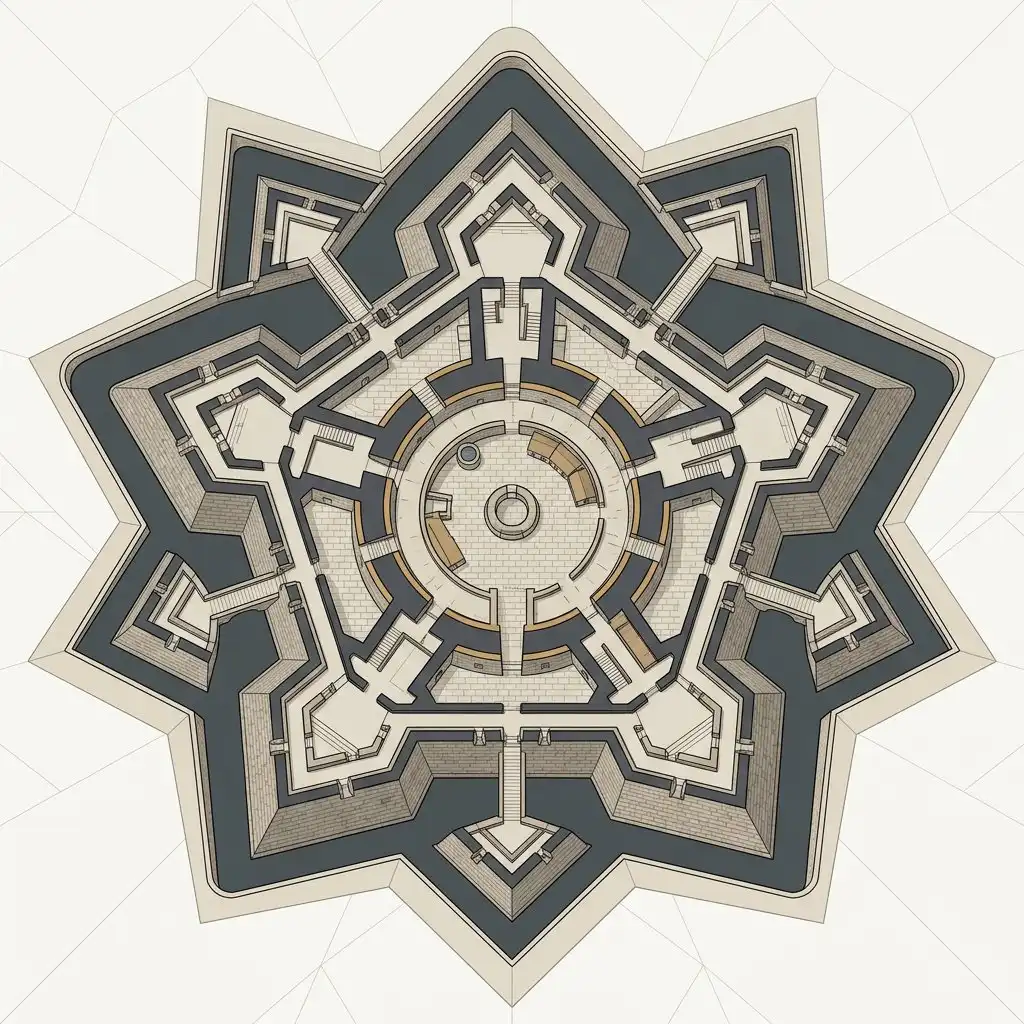
The architecture of Soroca Fortress is often described by experts as a masterpiece of late medieval defensive design. When you approach the site, the first thing you notice is the perfect symmetry of the circular walls. The fortress consists of four circular towers and one main entrance tower, all connected by thick, high walls.
The thickness of these walls is legendary, reaching up to three meters in some sections. This was essential for surviving the impact of early artillery. Inside the fortress, the layout is equally fascinating. The courtyard is relatively small, which created a concentrated defensive space. A central well provided water during prolonged sieges, an absolute necessity for survival when the walls were surrounded.
One of the most striking features is the chapel located above the main gate. This small, sacred space served as a spiritual anchor for the soldiers stationed within the walls. It highlights the intersection of faith and warfare that defined the medieval period. The stonework itself is a mix of local limestone and river rock, held together by a durable mortar that has withstood centuries of freezing winters and sweltering summers.
As of 2026, conservation efforts have focused on maintaining the structural integrity of the stone while allowing visitors to access the upper levels of the towers. Walking along the ramparts, one can look out over the Dniester River and imagine the guards who stood in the exact same spots, watching for the dust clouds of approaching cavalry or the sails of enemy ships navigating the river. The fortress is a primary example of how medieval builders prioritized functionality without sacrificing a sense of imposing, awe-inspiring authority.
The Strategic Importance of the Dniester River
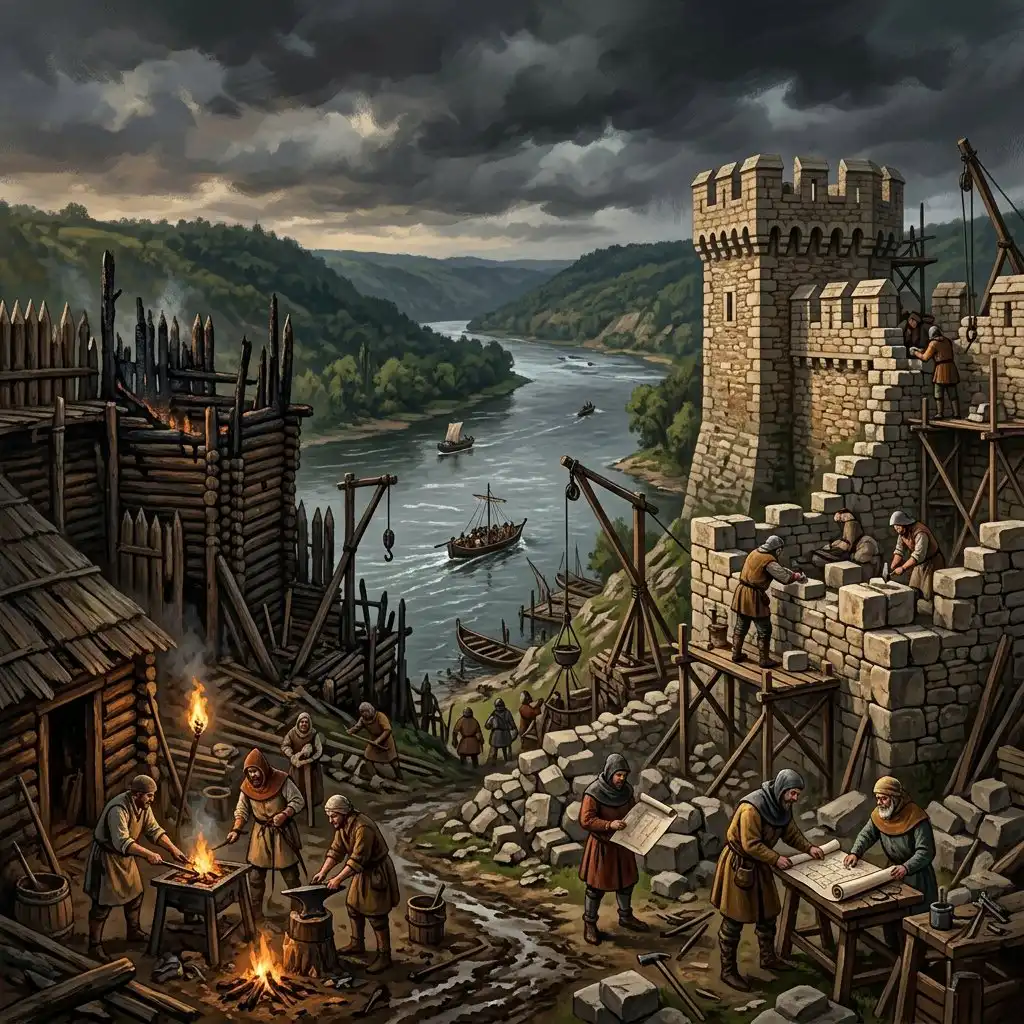
The Dniester River has always been the lifeblood of the region, acting as both a trade route and a natural barrier. For the Soroca Fortress, the river was the primary reason for its existence. By controlling this specific bend in the river, the fortress commanders could effectively monitor all trade and military movement between the northern and southern reaches of the territory.
In the 15th and 16th centuries, the river was a hive of activity. Merchants transported salt, grain, and textiles, while armies moved supplies and troops. The presence of the fortress guaranteed that any passage through this area was subject to oversight. It was essentially a toll gate and a guardian wrapped into one.
Beyond its military function, the river also shaped the local economy. The fortress attracted craftsmen, traders, and farmers who settled in the shadow of the walls for protection. This symbiotic relationship between the fortress and the surrounding settlement helped the town of Soroca grow into a significant regional hub. Today, the river remains a central feature of the landscape, and for modern visitors, it provides a peaceful, reflective backdrop to the stark, rugged history of the stone walls. The view from the top of the fortress, looking across the water toward the eastern bank, offers a perspective on the vastness of the landscape that the medieval defenders would have known intimately.
Life Inside the Medieval Fortress
What was life really like for those living behind the high walls of Soroca? It was certainly not a life of luxury. For the soldiers, the daily routine involved grueling watch shifts, maintenance of weaponry, and constant training. The interior of the fortress was cramped, with living quarters built into the thickness of the walls or tucked into the small courtyard.
Food supplies were stored in underground cellars to keep them cool and protected from potential fire. The diet consisted largely of salted meat, dried grains, and whatever could be sourced locally. Water was the most critical resource, and the central well was guarded with the utmost care. Any contamination or failure of the well would have meant the end of the resistance.
Despite the hardships, there was a sense of community. The fortress was a micro-society. During times of peace, the fortress hosted administrative activities, including tax collection and the enforcement of regional laws. It was the seat of power for the local governor, or “parcalab,” who was responsible for the security of the area. This individual held a position of high status and was often a trusted lieutenant of the Moldavian prince. Learning about these figures and their daily struggles provides a human element to the cold stone architecture. It transforms the site from a mere building into a living, breathing history of people who lived, prayed, and fought to protect their home.
The Fortress in the Modern Era
In 2026, Soroca Fortress stands as a beacon of cultural heritage. It has undergone several phases of restoration, with modern technology being used to stabilize the foundations without altering the original character of the building. These efforts have ensured that the fortress remains accessible to the public, serving as a museum and a venue for cultural events.
Walking through the gates today, visitors are greeted by exhibits that showcase medieval weaponry, traditional clothing, and historical documents related to the fortress. There is a palpable sense of pride among the local community, who view the fortress as the symbol of their town. It is frequently used for historical reenactments, where participants dress in period attire to recreate the atmosphere of the 15th century. These events are not just for entertainment; they are a vital way of keeping the history alive for younger generations.
The site also plays a role in the regional tourism economy. By integrating the history of the fortress with the natural beauty of the Dniester River, the area has become a destination for those interested in heritage tourism. The balance between preservation and modernization is a delicate one, but the current management of the site has been praised for its commitment to authenticity. For anyone planning a visit, the fortress offers a rare opportunity to step back in time and experience a piece of medieval history that has been preserved with remarkable care.
Cultural Impact and Local Traditions
The Soroca Fortress is deeply woven into the local folklore of the region. Many legends surround its construction, with stories of supernatural assistance or the incredible strength of the builders. These myths are a reflection of the deep emotional connection the local people have with the site. The fortress is often featured in local literature, art, and music, serving as a constant inspiration for creative expression.
One of the most interesting aspects of the fortress’s cultural impact is how it has influenced the architecture of the town itself. Many houses and public buildings in Soroca reflect a style that complements the medieval aesthetic of the fortress. This creates a cohesive visual identity for the town, making it feel like a living museum.
Furthermore, the fortress serves as a venue for local festivals and celebrations. Whether it is a commemoration of a historical battle or a celebration of regional culture, the fortress provides a dramatic and meaningful setting. It serves as a reminder that history is not just something in the past, but something that continues to shape the present and future of the community. The fortress is a bridge between generations, a place where the stories of the ancestors are passed down to their descendants.
Challenges of Preservation
Preserving a 500-year-old stone structure is no small feat. The elements, particularly the moisture from the river and the harsh winter freeze-thaw cycles, pose a constant threat to the masonry. As of 2026, the primary challenge is preventing the erosion of the mortar and the cracking of the stone blocks.
Experts use a combination of traditional techniques and modern scientific analysis to address these issues. For example, the use of lime-based mortars that match the original composition is preferred to ensure compatibility with the existing structure. Additionally, advanced monitoring systems are now in place to track any shifts or movements in the walls. These sensors provide real-time data, allowing engineers to intervene before small problems become major disasters.
Another challenge is balancing the needs of tourism with the need for preservation. The influx of visitors can lead to wear and tear on the floors and staircases. Limiting access to certain areas and providing clear pathways are necessary measures to protect the integrity of the site. It is a constant game of maintenance and careful planning, but the effort is worth it to ensure that the fortress remains standing for another 500 years. The commitment of the regional authorities to this goal is a testament to the value placed on historical preservation in the modern world.
Why Soroca Fortress Matters Today
Why do we care about a medieval fortress in 2026? In an increasingly digital and fast-paced world, places like Soroca Fortress provide a necessary anchor. They remind us of the physical reality of history, the labor that went into building our world, and the resilience of the people who came before us.
The fortress is a tangible reminder of the importance of borders, security, and identity. It forces us to think about how we define our own communities and what we are willing to protect. It also teaches us about the evolution of technology, from the simple wooden walls of the past to the sophisticated stone bastions that changed the nature of warfare.
Moreover, the fortress is a symbol of endurance. Despite the many conflicts that have raged around it, it still stands. This is a powerful message of hope and strength. It tells us that even in the face of great adversity, it is possible to survive and remain relevant. For the visitor, it is an experience that lingers long after they have left the banks of the Dniester, a memory of a place that has seen it all and continues to stand tall.
Exploring the Surroundings
A visit to Soroca Fortress is rarely just about the building itself. The surrounding region is rich in history and natural beauty. The town of Soroca, often called the “Roma capital of Moldova,” is famous for its unique and vibrant culture. Visitors can explore the charming streets, see the elaborately decorated houses, and sample local cuisine that reflects the diverse influences of the region.
The riverbank itself is a beautiful area for walking and cycling. There are several parks and viewpoints where one can get a perfect photo of the fortress against the backdrop of the river. For those interested in deeper historical exploration, there are other sites in the vicinity, including ancient monasteries carved into cliffs and traditional villages that have remained largely unchanged for decades.
Combining a visit to the fortress with an exploration of the local culture provides a comprehensive experience. It allows visitors to see the fortress not in isolation, but as part of a living, evolving community. Whether you are a history buff, a nature lover, or simply someone looking for a unique travel experience, the area around Soroca has something to offer.
Essential Tips for Visitors
If you are planning a trip to Soroca in 2026, there are a few things to keep in mind to make the most of your visit. First, check the opening hours in advance, as they can change depending on the season and any ongoing maintenance work. It is also a good idea to hire a local guide. The stories and insights provided by someone who knows the history of the fortress intimately can significantly enhance your experience.
Wear comfortable shoes, as the ground inside the fortress can be uneven and there are many steps to climb. Bring a camera, but also take time to simply sit and soak in the atmosphere. The view from the top of the towers is spectacular, especially during sunset.
If you are traveling with children, the fortress is a great place to spark their imagination. The narrow staircases and hidden corners feel like something out of a fairy tale. Just be sure to supervise them closely, as the walls and towers were not designed with modern safety standards in mind. Finally, be respectful of the site. It is a place of history and, for many, a place of pride. By following the rules and treating the structure with care, you help ensure that it remains open for others to enjoy.
Conclusion
The Soroca Fortress is more than just a cluster of stone walls on the banks of the Dniester. It is a profound historical narrative written in rock and mortar. From its humble wooden beginnings to its transformation into a masterpiece of medieval defensive engineering, the fortress has served as a guardian, a symbol of power, and a sanctuary for the people of Moldavia.
In 2026, it stands as a bridge between the past and the present, offering us a glimpse into a time when the world was shaped by the strength of walls and the courage of those behind them. Its survival is a testament to the enduring human desire to protect what we hold dear and to leave a lasting mark on the landscape. Whether you are walking through its gates for the first time or returning to reflect on its history, the fortress never fails to leave a lasting impression. It stands as a reminder that while empires may rise and fall, the stories we build in stone have the power to endure through the ages.
What makes the architecture of Soroca Fortress unique?
The primary uniqueness of Soroca Fortress lies in its perfectly circular design. Unlike many other fortresses that used square or rectangular layouts, the circular shape of Soroca was specifically engineered to deflect artillery fire and eliminate dead zones. The inclusion of four circular towers and one main entrance gate, all constructed with exceptionally thick walls, represents a high point in 15th-century military engineering.
Why was the fortress built on the Dniester River?
The fortress was built on the Dniester River to serve as a vital defensive point for the Principality of Moldavia. The river was a major route for invading forces, including the Ottoman Empire and the Tatars. By controlling this river crossing, the Moldavian rulers could monitor trade, collect taxes, and prevent enemy armies from easily accessing the heart of their territory.
Can visitors enter all parts of the fortress?
As of 2026, visitors can access the main courtyard and the upper levels of the towers. While restoration efforts have made much of the fortress accessible, some areas may be restricted for safety or preservation reasons. It is always best to check with the site management upon arrival for the most current information regarding restricted zones.
What is the best time of year to visit Soroca Fortress?
The best time to visit is during the late spring or early autumn. During these months, the weather is mild, making it comfortable to explore the outdoor sections of the fortress and the surrounding riverbank. Summer can be quite hot, and winter, while beautiful, can make climbing the stone steps slippery and challenging due to snow and ice.
Are there guided tours available at the fortress?
Yes, guided tours are available and are highly recommended. Local guides provide invaluable context regarding the historical significance of the site, the lives of the soldiers who once lived there, and the architectural details that make the fortress unique. Engaging a guide allows for a much richer experience than exploring the site on your own.
Is the fortress suitable for children?
The fortress is generally suitable for children, and many find the experience of exploring a real medieval castle to be very exciting. However, parents should be aware that the site includes steep, narrow stone staircases and areas with high walls. Constant supervision is necessary to ensure safety, particularly for younger children.