
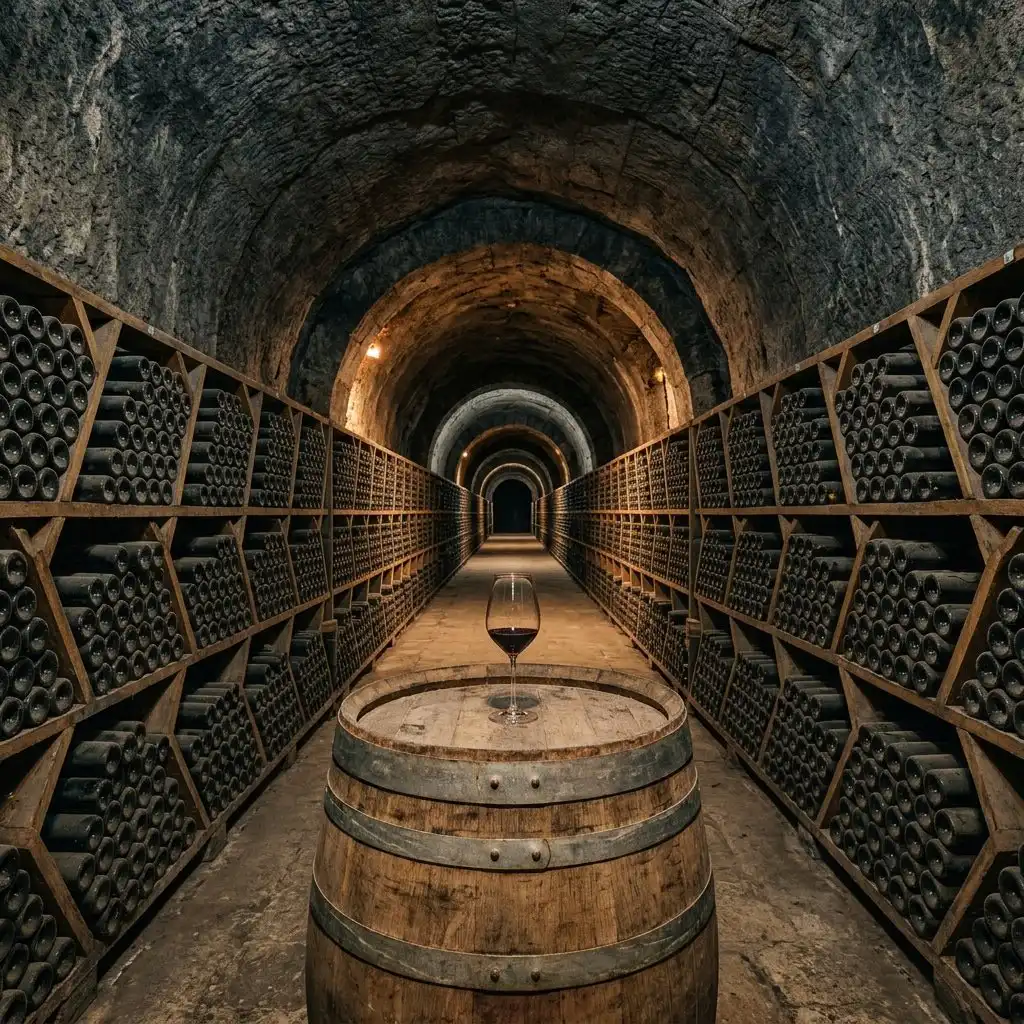

Deep beneath the rolling hills of Moldova lies a secret world carved entirely out of limestone. While many famous wine regions of the world rely on sprawling hillside vineyards and traditional above-ground cellars, the Cricova Winery takes a radically different approach. As of 2026, it remains one of the most fascinating architectural and viticultural marvels on the planet, housing an underground labyrinth that stretches for over 120 kilometers. It is not just a cellar; it is a sprawling subterranean city where streets are named after grape varieties and millions of bottles age in perfect, silent darkness.
The sheer scale of this facility is difficult to comprehend until you are standing in the middle of a tunnel, looking down a road that seems to stretch into infinity. With a steady temperature of 12 to 14 degrees Celsius and a humidity level of 97 to 98 percent, the environment within the tunnels of Cricova is naturally perfect for the long-term maturation of sparkling, white, and red wines. This unique geography has transformed a former limestone mine into a sanctuary for some of the finest vintages in Eastern Europe.
The Origins of a Subterranean Legend
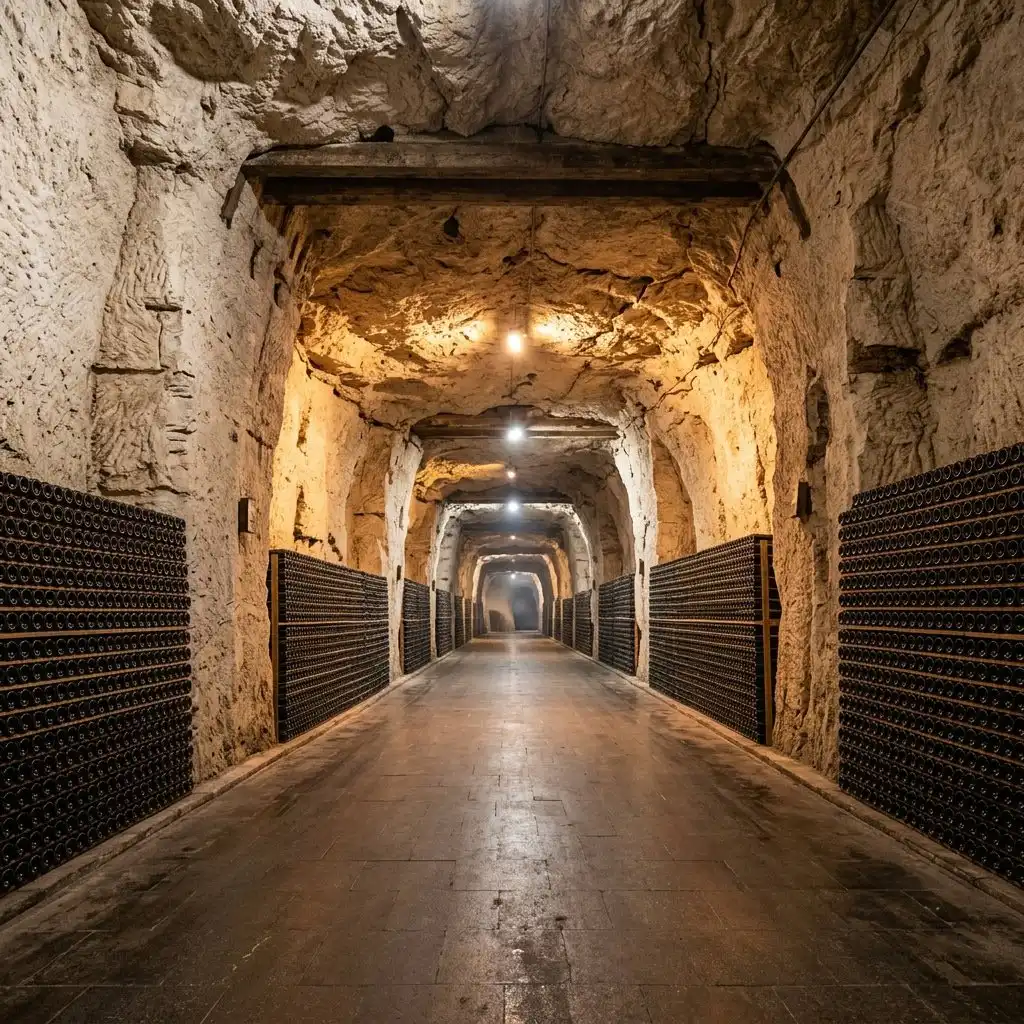
The story of Cricova begins with the extraction of limestone. During the mid-20th century, the limestone mined from these tunnels was used to build the capital city of Chisinau. As the miners dug deeper and wider, they inadvertently created a series of vast, cavernous galleries. By the 1950s, winemakers began to realize that these tunnels possessed the ideal microclimate for winemaking. The porous nature of the limestone walls acted as a natural regulator, maintaining the precise conditions required for high-quality wine production.
What started as an experimental storage space quickly evolved into a massive industrial complex. Today, Cricova is a state-owned enterprise that serves as a cornerstone of Moldova’s cultural identity. It is a place where history meets modern technology, and where the ancient art of winemaking is preserved in a way that feels almost otherworldly. Visitors who descend into the tunnels often describe the experience as stepping into a different dimension, far removed from the hustle and bustle of modern life.
Navigating the Underground City
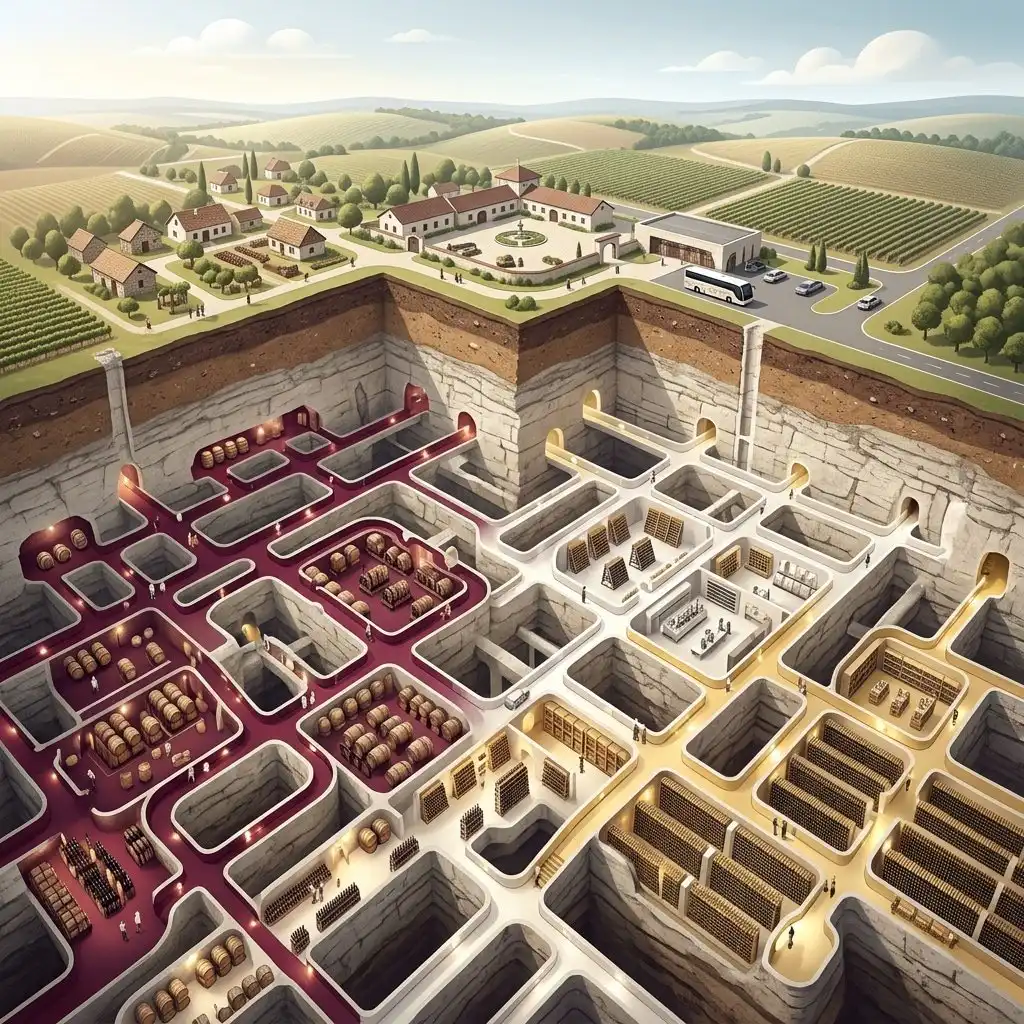
When you enter the Cricova tunnels, you are not just walking into a basement; you are entering a city. The facility features a network of underground streets that are wide enough for cars and small buses to travel through. These streets have names like Cabernet, Feteasca, and Aligote, reflecting the specific wines stored in the tunnels branching off from them. Navigating this network requires a guide, as it is incredibly easy to lose one’s sense of direction in the endless maze of white limestone walls.
The scale of the operation is truly staggering. There are millions of bottles stored here, ranging from standard table wines to rare, vintage collections that date back decades. The “Oenotheque” is perhaps the most impressive part of the visit. This restricted area houses a private collection of wines from all over the world, including rare bottles that are considered national treasures. Some of these bottles have been there since the early days of the winery, gathering dust and character in the cool, damp air.
The Art of Sparkling Wine Production
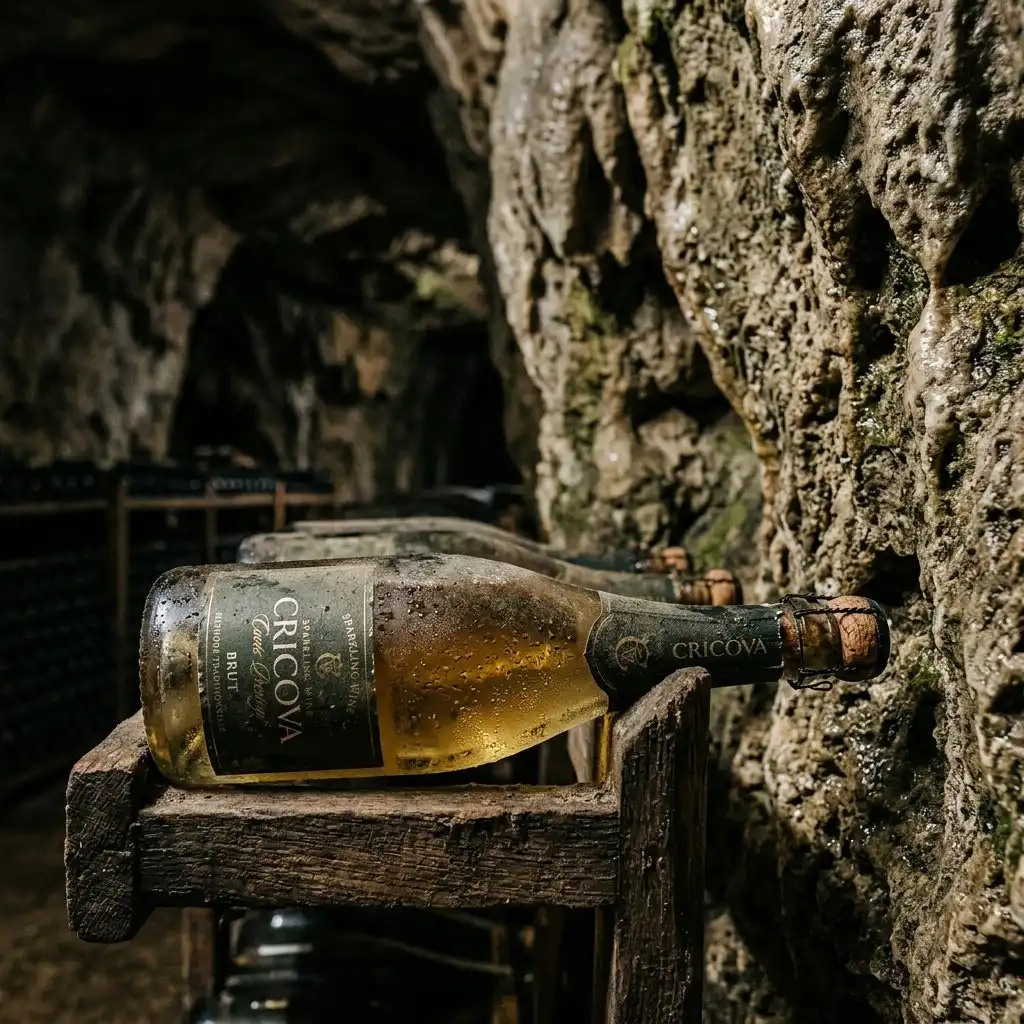
One of the highlights of the Cricova experience is learning about their traditional method of producing sparkling wine. Unlike mass-produced bubbly that is carbonated in large tanks, Cricova adheres to the classic French method known as methode traditionelle. This labor-intensive process involves secondary fermentation inside the bottle itself.
In the tunnels, you can see rows upon rows of bottles resting at an angle in special racks. Highly skilled workers perform the process of remuage, which involves manually turning each bottle by a fraction of a degree every day. This movement encourages the sediment, or lees, to gather near the neck of the bottle. Once the process is complete, the neck is frozen, the sediment is ejected, and the bottle is corked. The result is a sparkling wine with fine, persistent bubbles and a complexity that is difficult to replicate with industrial methods. Tasting a glass of this sparkling wine in the heart of the tunnels, surrounded by thousands of other bottles, is an experience that stays with visitors long after they leave Moldova.
Architecture and Atmosphere
The interior of Cricova is not merely functional; it is aesthetically striking. The limestone walls are often carved with intricate designs, and the reception halls where tastings take place are furnished with traditional Moldovan decor. These halls are used for state events, diplomatic meetings, and private celebrations. The contrast between the rugged, raw limestone walls and the refined, elegant furniture creates a unique atmosphere that feels both ancient and sophisticated.
The lighting in the tunnels is carefully managed to protect the wine while providing enough visibility for tours. The soft, amber glow reflecting off the white walls gives the entire complex a warm, inviting feel. It is a testament to human ingenuity—taking a space that was originally meant for extraction and turning it into a space for creation and celebration. The silence in the deeper tunnels is profound, punctuated only by the occasional drip of water or the distant hum of a ventilation system.
The National Treasure: The Oenotheque
The Oenotheque at Cricova is more than just a storage facility; it is a time capsule. It houses a vast collection of rare wines, including the famous collection of the late Hermann Goering, which was brought to Moldova after World War II. This collection includes bottles of Mosel wine from the early 20th century, which are now exceptionally rare.
Visitors who are lucky enough to gain access to this part of the winery are treated to a history lesson unlike any other. Each bottle tells a story, representing a specific harvest, a specific year, and a specific set of climatic conditions that will never be repeated. For collectors and wine enthusiasts, walking through the Oenotheque is the equivalent of visiting the Louvre for an art lover. It is a place of reverence, where the focus is entirely on the preservation of history and the appreciation of the craft.
Climate and Preservation
Why are limestone tunnels so good for wine? The answer lies in the physics of the material. Limestone is a sedimentary rock that is naturally porous and has excellent thermal insulation properties. In the tunnels of Cricova, the temperature never fluctuates more than a degree or two throughout the entire year. This stability is critical for aging wine. When a bottle of wine is subjected to temperature swings, the liquid expands and contracts, which can push the cork out or let air in, leading to oxidation.
Furthermore, the humidity in the tunnels is maintained at a level that keeps the corks moist. A dried-out cork can shrink, creating a gap that allows air to enter the bottle. By keeping the humidity high, Cricova ensures that the seals remain tight, protecting the wine for decades. This is why you can find bottles from the 1950s and 60s in the collection that are still in excellent condition. It is a natural preservation system that has worked perfectly for over half a century.
The Cultural Impact of Cricova
Cricova is more than just a commercial enterprise; it is a symbol of Moldovan pride. In a country where viticulture is a way of life, Cricova represents the pinnacle of the industry. It attracts thousands of tourists every year, contributing significantly to the local economy and putting Moldova on the map for international wine connoisseurs.
The winery also plays a vital role in preserving traditional winemaking techniques. While many wineries have shifted to fully automated systems to keep costs down, Cricova continues to value the human touch. The remuage process mentioned earlier is still done by hand by workers who have spent their entire careers perfecting the art. This dedication to tradition ensures that the quality of the wine remains high and that the cultural heritage of Moldovan winemaking is passed down to the next generation.
Planning Your Visit to the Underground City
If you are planning to visit Cricova in 2026, there are a few things you should keep in mind. First, the tunnels are quite cool, even in the summer. It is highly recommended to bring a jacket or a sweater, as the 12 to 14-degree environment can be chilly if you are not prepared. Second, the facility is quite large, and tours usually involve a mix of driving through the main tunnels and walking through specific sections.
It is best to book your tour in advance, as the winery is a popular destination for both locals and international visitors. There are various packages available, ranging from simple tours to comprehensive experiences that include multi-course meals and extensive wine tastings. Many visitors find that spending an entire afternoon at the winery is the best way to soak in the atmosphere and appreciate the scale of the operation.
Sustainability and Future Outlook
As we look toward the future, the team at Cricova is focusing on sustainability and modernization. While they remain committed to traditional methods, they are also investing in energy-efficient lighting and improved ventilation systems that work in harmony with the natural environment. The goal is to ensure that the tunnels remain a viable site for winemaking for many generations to come.
There is also a growing interest in organic viticulture in Moldova. Cricova is exploring ways to integrate more sustainable farming practices in their vineyards above ground, which will eventually supply the grapes for the wines aging in the tunnels. By combining the ancient wisdom of the limestone cellars with modern, eco-friendly farming, Cricova is poised to remain a leader in the global wine industry for years to come.
The Experience of a Lifetime
Walking through the gates of Cricova is like entering a secret realm. As you descend into the depths, the noise of the outside world fades away, replaced by the cool, quiet embrace of the limestone walls. Whether you are a casual wine drinker or a serious collector, there is something deeply moving about standing in a place where millions of bottles are sleeping, waiting for the perfect moment to be opened.
The combination of history, geology, and viticulture makes Cricova a unique destination. It is a reminder that some of the greatest things in life take time, patience, and the right environment to flourish. As you sample a glass of their finest sparkling wine in the heart of the tunnels, you are not just tasting a beverage; you are tasting the culmination of years of work, the unique terroir of the Moldovan landscape, and the enduring legacy of a place that truly is one of the wonders of the world.
Frequently Asked Questions
How large is the Cricova underground wine complex?
The Cricova winery is truly massive, featuring a network of tunnels that spans over 120 kilometers in total length. This subterranean city is large enough to accommodate a network of underground streets where visitors can travel by car or shuttle to explore the different sectors of the cellar.
Why is limestone used for the wine cellars?
Limestone is an ideal material for aging wine because it has natural thermal insulation properties. It keeps the temperature inside the tunnels constant at 12 to 14 degrees Celsius, while the porous nature of the rock helps maintain the high humidity levels necessary to keep wine corks from drying out over many decades.
Can visitors tour the tunnels?
Yes, Cricova is open for guided tours. Visitors can book various packages that typically include a tour of the underground tunnels via electric car or shuttle, a visit to the Oenotheque to see the rare wine collections, and a formal tasting of several different types of wine, including their famous traditional sparkling wine.
Is the wine at Cricova made using modern technology?
Cricova uses a blend of traditional and modern techniques. While they employ modern laboratory testing and efficient logistics for storage, they still adhere to the classic methode traditionelle for their sparkling wines, which involves hand-turning bottles to ensure the highest quality and flavor profile.
What is the Oenotheque?
The Oenotheque is a restricted, highly protected area within the Cricova tunnels that serves as a library of rare and vintage wines. It contains a collection of thousands of bottles from around the world, some of which are priceless historical artifacts, making it one of the most significant wine archives in Eastern Europe.
What should I wear when visiting the winery?
Because the underground tunnels maintain a constant, cool temperature of 12 to 14 degrees Celsius throughout the year, it is essential to bring a warm jacket or sweater. Even during the hottest summer months in Moldova, the tunnels will feel quite chilly, so dressing in layers is the best approach for a comfortable visit.
Conclusion
The Cricova Winery stands as a testament to the intersection of nature and human ambition. By transforming a utilitarian limestone mine into a world-class center for viticulture, the people of Moldova have created a destination that is as educational as it is enjoyable. The sheer scale of the 120-kilometer tunnel network, combined with the dedication to traditional winemaking processes, ensures that every bottle stored there benefits from the perfect, stable environment of the earth itself. As of 2026, the winery continues to evolve, balancing its rich history with modern sustainability practices to ensure that its legacy endures. For those who travel to Moldova, a trip to this underground city is an essential experience, offering a rare glimpse into the quiet, dark, and perfectly preserved world where some of the world’s finest wines come to life. Whether you are exploring the vast “streets” of the cellar or tasting a rare vintage in the Oenotheque, the magic of Cricova is something that lingers long after you return to the surface. It serves as a powerful reminder that sometimes, the most remarkable treasures are hidden just beneath our feet, waiting in the silence for the right time to be discovered and shared.