
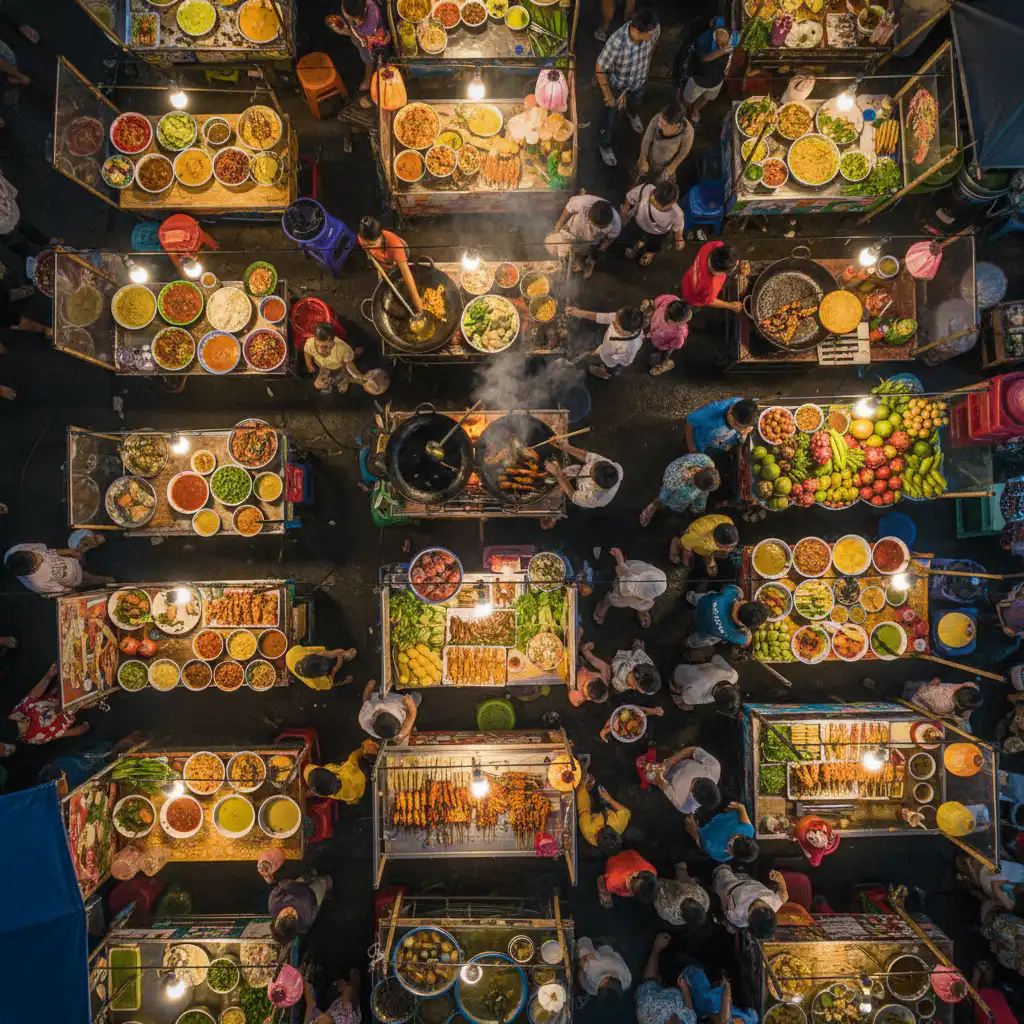

A Culinary Journey Through Cambodia: Unveiling the Top 6 Khmer Dishes
Cambodia, a land steeped in ancient history and vibrant culture, offers a culinary landscape as rich and diverse as its heritage. Khmer cuisine, often overshadowed by its more globally recognized neighbors like Thai and Vietnamese food, possesses a unique charm, characterized by its delicate balance of flavors, fresh ingredients, and subtle yet complex spice profiles. It’s a cuisine that whispers rather than shouts, inviting you to savor each nuanced taste. Did you know that an estimated 90% of Cambodians rely on agriculture for their livelihood, with rice being the absolute cornerstone of their diet? This deep connection to the land is profoundly reflected in their cooking.
This article will embark on a delicious exploration of the top 6 Khmer dishes that represent the heart and soul of Cambodian gastronomy. From comforting noodle soups to fragrant curries and refreshing salads, these dishes offer a true taste of Cambodia, showcasing the ingenuity and resourcefulness of its people. Prepare your taste buds for an unforgettable adventure!
Understanding the Essence of Khmer Cuisine
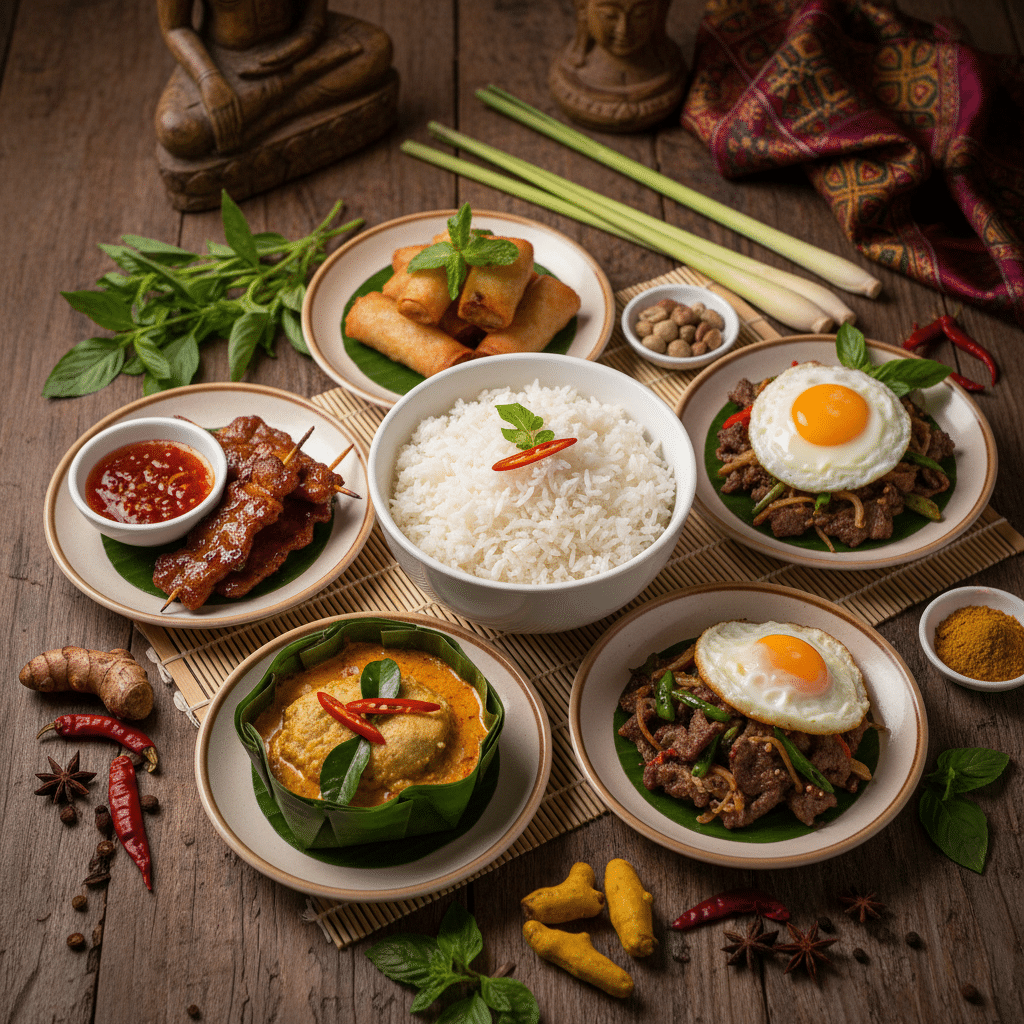
Before diving into specific dishes, it’s crucial to grasp what makes Khmer food so special. Unlike the fiery heat often associated with Thai cuisine or the bold, herbaceous notes of Vietnamese cooking, Khmer food leans towards a more gentle and harmonious blend of sweet, sour, salty, and bitter flavors. Freshness is paramount, with an abundance of herbs like mint, basil, and cilantro frequently used.
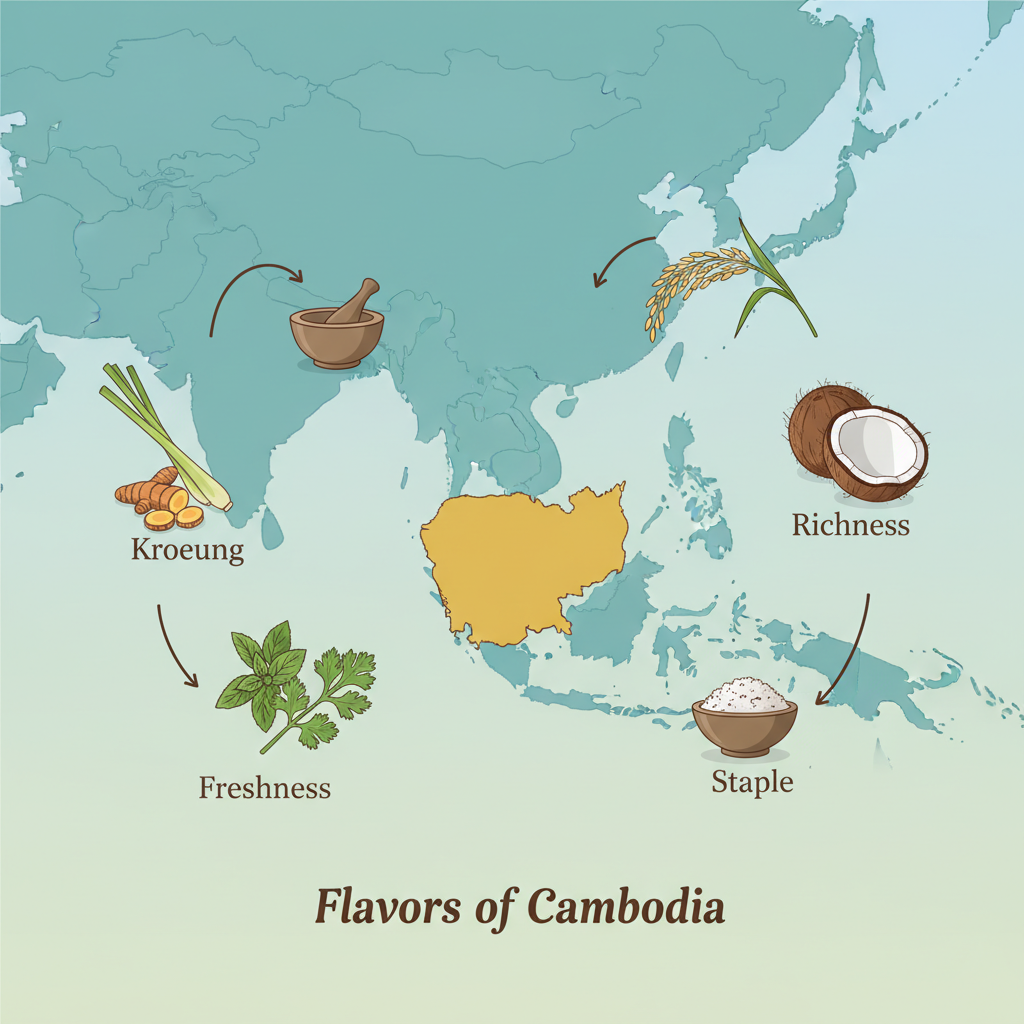
A key ingredient that sets Khmer cuisine apart is kroeung, a fragrant paste made from pounded aromatics such as lemongrass, galangal, turmeric, garlic, shallots, and chilies. This versatile paste forms the flavor base for many dishes, imparting a distinctive aroma and depth. Another signature element is prahok, a fermented fish paste that, while pungent, adds an umami richness that is indispensable in many traditional recipes. However, its strong flavor means it’s not always universally loved by newcomers, and many dishes can be made without it or with less of it.
Coconut milk also plays a significant role, particularly in curries and desserts, providing a creamy texture and a subtle sweetness that complements the other ingredients. Rice, of course, is the absolute foundation of every meal, served steamed alongside virtually everything.
The culinary traditions of Cambodia have been shaped by centuries of trade and cultural exchange, with influences from India, China, and Thailand evident in its dishes. Yet, Khmer cuisine has managed to maintain its distinct identity, adapting these influences to local ingredients and palates. As renowned food historian, Dr. Helen Grant, notes, “Khmer cuisine is a testament to resilience and adaptation. It tells a story of a nation that has endured much but has always found joy and solace in its food traditions.”
The Top 6 Khmer Dishes You Must Try
Let’s begin our culinary exploration with the dishes that have captured the hearts and palates of Cambodians and visitors alike.
1. Amok Trei (Fish Amok)
Amok Trei is arguably the most iconic dish of Cambodian cuisine, a dish that embodies the country’s delicate yet flavorful approach to cooking. At its heart, Amok Trei is a steamed fish curry, but calling it just that would be an oversimplification of its exquisite nature. The star of this dish is typically a white fish, such as catfish or snakehead, which is cut into bite-sized pieces and marinated in a rich, fragrant kroeung paste.
The kroeung for Amok typically includes lemongrass, galangal, turmeric, garlic, shallots, and sometimes Kaffir lime zest. This aromatic base is then combined with coconut milk, fish sauce (for saltiness and umami), and a touch of sugar (for balance). A distinctive element of Amok is the addition of naw, a slightly bitter leaf that grows in Cambodia, which adds a unique herbal note. However, naw is not always readily available outside of Cambodia, so many recipes substitute it with other greens or omit it.
What truly elevates Amok Trei is the cooking method. Traditionally, the fish curry mixture is placed in individual bowls made from banana leaves, which are then steamed until the fish is perfectly cooked and the curry has thickened into a luscious, mousse-like consistency. The banana leaves impart a subtle, earthy aroma to the dish, further enhancing its overall flavor profile. The result is a dish that is incredibly creamy, subtly spiced, and bursting with aromatic flavors. It’s a testament to the Cambodian philosophy of allowing the natural flavors of the ingredients to shine.
“Amok is more than just a dish; it’s an experience,” says Cambodian chef, Sokha Lim, who runs a popular cooking school in Siem Reap. “The gentle steaming process, the fragrant kroeung, the creamy coconut milk – it all comes together to create something truly special. It’s comfort food, elevated.”
The texture of Amok Trei is often described as a silken custard, with the tender pieces of fish melting in your mouth. It’s usually served with steamed jasmine rice, which is perfect for soaking up every last drop of the flavorful curry. While fish is the most common protein, variations with chicken or even tofu exist, though Amok Trei remains the definitive classic.
Key Components:
- Fish: Typically white fish like catfish or snakehead.
- Kroeung: A pounded aromatic paste (lemongrass, galangal, turmeric, garlic, shallots, chili).
- Coconut Milk: For creaminess and richness.
- Naw leaves (optional): For a unique bitter, herbal note.
- Steamed Banana Leaf Parcels: For cooking and serving.
Flavor Profile: Creamy, aromatic, subtly spiced, with a hint of sweetness and umami.
2. Lok Lak (Stir-fried Beef with Rice)
Lok Lak is a popular and satisfying dish that showcases a different facet of Khmer cuisine – its ability to create robust and flavorful stir-fries. This dish typically features marinated beef, stir-fried to perfection and served with a vibrant salad and a distinctive dipping sauce. While beef is the most common protein, pork and even chicken can be used.
The magic of Lok Lak lies in the marinade for the beef. Thinly sliced pieces of beef are typically marinated in a mixture of soy sauce, oyster sauce, garlic, sugar, and sometimes pepper. The beef is then quickly stir-fried over high heat to ensure it remains tender and juicy. Some recipes incorporate onions and bell peppers into the stir-fry, adding extra texture and flavor.
What sets Lok Lak apart is its presentation and the accompanying elements. The stir-fried beef is often served atop a bed of crisp lettuce leaves, accompanied by sliced tomatoes, cucumbers, and sometimes onions. A fried egg, with its runny yolk, is frequently placed on top of the beef, adding another layer of richness to the dish.
The true secret weapon of Lok Lak, however, is its dipping sauce. This isn’t your typical soy-based sauce. Instead, it’s a zesty and pungent concoction made from lime juice, fish sauce, sugar, and a generous amount of black pepper or peppercorns. Some versions also include finely chopped chilies for a bit of heat. The acidity of the lime juice cuts through the richness of the beef and the egg, while the pepper provides a pleasant kick.
“Lok Lak is a crowd-pleaser,” says Chef Rithy, a culinary instructor. “It’s simple, yet incredibly flavorful. The combination of the tender beef, the fresh salad, the runny egg yolk, and that sharp, peppery lime sauce is just irresistible. It’s a dish that’s both comforting and exciting.”
The texture of Lok Lak is a delightful contrast – the tender, slightly chewy beef, the crisp salad vegetables, and the smooth, rich egg yolk. It’s typically served with steamed rice, completing this hearty and delicious meal. The interplay of textures and the bold, tangy flavor of the dipping sauce make Lok Lak a must-try for anyone exploring Khmer food.
Key Components:
- Beef: Thinly sliced and marinated.
- Marinade: Soy sauce, oyster sauce, garlic, sugar, pepper.
- Stir-fry: Typically includes onions and bell peppers.
- Garnishes: Lettuce, tomatoes, cucumbers, fried egg.
- Dipping Sauce: Lime juice, fish sauce, sugar, black pepper.
Flavor Profile: Savory, tangy, peppery, with a fresh, crisp element from the salad.
3. Kuy Teav (Noodle Soup)
Kuy Teav is a quintessential Cambodian breakfast dish, a comforting and flavorful noodle soup that warms the soul. While it can be enjoyed at any time of day, its popularity as a morning meal is undeniable, with street vendors and small eateries bustling with activity as people line up for their steaming bowls.
The base of Kuy Teav is a fragrant broth, typically made from pork or beef bones, simmered for hours to extract maximum flavor. This rich broth is the canvas upon which the other ingredients are painted. The type of noodle used can vary, but rice noodles are the most common, ranging from thin vermicelli to wider flat noodles.
What makes Kuy Teav so versatile and beloved is the array of toppings and accompaniments that allow for customization. The soup is usually served with a choice of protein, such as pork slices, ground pork, beef, shrimp, or even offal for the more adventurous eaters. These proteins are added to the hot broth, cooking them to perfection.
Beyond the protein, Kuy Teav is generously garnished. Common additions include fresh bean sprouts, chopped green onions, cilantro, fried garlic, and crispy fried shallots. A squeeze of lime juice and a dash of chili sauce or fresh chilies are essential for adding a zesty and spicy kick, tailoring the soup to individual preferences.
A unique element often found with Kuy Teav is a side plate of condiments, including fish sauce, vinegar, chili paste, and sometimes pickled chilies. This allows diners to further adjust the flavor of their soup to their liking.
“Kuy Teav is the taste of home for many Cambodians,” shares Mrs. Chanthy, a Phnom Penh resident. “It’s simple, nourishing, and you can make it exactly how you like it. That first sip of the hot, savory broth in the morning… it’s the best way to start the day.”
The beauty of Kuy Teav lies in its customizable nature and the balance of flavors and textures. The tender noodles, the savory broth, the succulent protein, and the fresh, crunchy garnishes all come together in a harmonious symphony. It’s a testament to how a seemingly simple dish can be incredibly satisfying and deeply rooted in cultural tradition.
Key Components:
- Broth: Rich pork or beef bone broth.
- Noodles: Rice noodles (various widths).
- Protein: Pork, beef, shrimp, offal.
- Garnishes: Bean sprouts, green onions, cilantro, fried garlic, fried shallots.
- Condiments: Lime, chili sauce, fish sauce, vinegar.
Flavor Profile: Savory, aromatic, customizable with fresh, spicy, and tangy notes.
4. Samlor Machu Trey (Sour Fish Soup)
Samlor Machu Trey is a vibrant and refreshing soup that offers a delightful contrast to the richer, creamier dishes. This light yet flavorful soup is a staple in Cambodian households, celebrated for its tangy, sour notes and its abundance of fresh ingredients. The name itself, “Samlor Machu,” translates to “sour soup,” and the “Trey” signifies fish.
The signature sourness of Samlor Machu Trey comes from a variety of sources, most commonly tamarind paste. The tamarind, soaked in water and strained, provides a distinct fruity tang that is both invigorating and palate-cleansing. Other souring agents can include lime juice or even green mangoes, depending on regional variations and seasonal availability.
The soup’s base is typically a light broth, often made with lemongrass and galangal, which imparts a subtle fragrance. The fish used is usually a firm white fish, cut into pieces, which cooks quickly in the simmering broth.
What truly makes Samlor Machu Trey shine is its generous inclusion of fresh vegetables and herbs. Common additions include water spinach (kangkong), tomatoes, bean sprouts, okra, and eggplant. These vegetables are added towards the end of the cooking process to retain their crispness and vibrant colors. A generous amount of fresh dill is a crucial herb in this soup, lending a distinctive anise-like aroma and flavor that beautifully complements the sourness and the fish.
“This soup is like a breath of fresh air,” says Chef Dara, who specializes in traditional Khmer cooking. “It’s light, healthy, and the sourness is so refreshing, especially on a hot day. The dill is key; it’s what gives Samlor Machu its unique character.”
Samlor Machu Trey is often served with steamed rice, acting as a perfect accompaniment to balance the soup’s tanginess. It’s a dish that highlights the Cambodian appreciation for fresh produce and the skillful use of sour elements to create a bright and uplifting culinary experience. It’s a testament to the fact that Cambodian food isn’t always about heat or heavy spices; it can also be about clean, bright, and refreshing flavors.
Key Components:
- Fish: Firm white fish.
- Souring Agent: Tamarind paste, lime juice, or green mango.
- Broth Base: Lemongrass, galangal.
- Vegetables: Water spinach, tomatoes, bean sprouts, okra, eggplant.
- Herbs: Abundant fresh dill.
Flavor Profile: Tangy, sour, herbaceous, light, refreshing, with a subtle fish flavor.
5. Bai Sach Chrouk (Pork and Rice)
Bai Sach Chrouk, which literally translates to “rice with pork,” is the quintessential Cambodian breakfast dish, beloved for its simplicity, affordability, and deeply satisfying flavors. It’s a common sight to see street vendors preparing this dish early in the morning, serving up steaming plates to commuters and locals starting their day.
The heart of Bai Sach Chrouk is thinly sliced pork, typically marinated and then grilled or pan-fried over charcoal, imparting a delicious smoky char. The marinade usually consists of a blend of garlic, sugar, soy sauce, and coconut milk. The coconut milk tenderizes the pork and gives it a subtle sweetness and a beautiful caramelized crust when cooked.
This flavorful pork is then served over a bed of steamed jasmine rice. The rice itself is often cooked with a touch of coconut milk or garlic oil, adding an extra layer of aroma and richness.
Accompanying the pork and rice are typically a few simple but essential garnishes. A handful of pickled cucumber and carrot salad provides a refreshing crunch and a welcome tanginess to cut through the richness of the pork. A small bowl of clear chicken or pork broth, often seasoned with a hint of pepper and green onions, is also usually served alongside, offering a comforting liquid element to the meal. Some vendors might also offer a small side of fried shallots for added texture and flavor.
“Bai Sach Chrouk is more than just breakfast; it’s a cultural institution,” says Mr. Vuthy, a Phnom Penh street food vendor for over 30 years. “It’s the fuel that gets people going. The combination of the sweet, savory pork, the fragrant rice, and the crunchy pickles is perfect. It’s simple food, made with love.”
The beauty of Bai Sach Chrouk lies in its harmonious balance of flavors and textures. The tender, slightly sweet, and smoky pork contrasts beautifully with the fluffy rice and the crisp, tangy pickles. The warm broth adds a comforting depth. It’s a complete and satisfying meal that embodies the resourcefulness and deliciousness of Cambodian street food. While pork is traditional, variations with chicken are also found.
Key Components:
- Pork: Thinly sliced, marinated, and grilled/fried.
- Marinade: Garlic, sugar, soy sauce, coconut milk.
- Rice: Steamed jasmine rice, sometimes cooked with coconut milk or garlic oil.
- Garnishes: Pickled cucumber and carrot salad, optional fried shallots.
- Side: Clear broth.
Flavor Profile: Savory, sweet, smoky, with a refreshing, tangy contrast from the pickles.
6. Nom Banh Chok (Khmer Noodles)
Nom Banh Chok, often referred to as Khmer Noodles, is another incredibly popular and versatile noodle dish that holds a special place in Cambodian hearts. While Kuy Teav is often a breakfast soup, Nom Banh Chok can be enjoyed at any time of day and comes in a delightful array of regional variations, each with its own unique broth and toppings.
The foundation of Nom Banh Chok is fresh rice noodles, which are typically made by hand and have a slightly chewy texture. These noodles are served in a flavorful broth, and it’s the broth that truly defines the dish.
One of the most common and beloved versions is Samlor Kari, a fragrant yellow curry broth. This curry is made using a kroeung paste, similar to that used in Amok, but typically with more emphasis on turmeric and lemongrass. It’s enriched with coconut milk, creating a creamy and aromatic soup that is often served with shredded chicken or beef.
Another popular variation is Samlor Kako, a thicker, more complex green curry broth. This version often incorporates a wider range of vegetables and herbs, and its distinctive green color comes from ingredients like Kaffir lime leaves and fresh herbs.
Beyond these, there are numerous other regional broths, some featuring fish, others pork, each with its own distinct flavor profile. Regardless of the broth, Nom Banh Chok is always generously adorned with a plethora of fresh toppings and garnishes. These typically include shredded lettuce, bean sprouts, cucumbers, banana blossoms, mint, basil, Kaffir lime leaves, and peanuts. A squeeze of lime juice and a dash of chili paste are essential for adding that final touch of brightness and spice.
“Nom Banh Chok is like a garden in a bowl,” says Chef Srey Leak. “The variety of fresh herbs and vegetables, combined with the flavorful broth and the chewy noodles, makes it incredibly refreshing and satisfying. Every region has its own special way of making it, which is fascinating.”
The experience of eating Nom Banh Chok is one of active participation. Diners are often presented with a bowl of noodles and broth, accompanied by a separate platter of fresh greens, herbs, and other toppings. They then assemble their own perfect bowl, adding as much or as little of each ingredient as they desire. This interactive element, combined with the vibrant flavors and textures, makes Nom Banh Chok a truly engaging and delicious culinary experience.
Key Components:
- Noodles: Fresh rice noodles.
- Broth: Varies by region (e.g., yellow curry, green curry, fish-based).
- Proteins: Chicken, beef, fish (depending on broth).
- Toppings: Lettuce, bean sprouts, cucumber, banana blossom, fresh herbs (mint, basil, dill), peanuts.
- Condiments: Lime, chili paste.
Flavor Profile: Highly variable depending on the broth, but generally aromatic, herbaceous, fresh, and customizable with savory, sweet, sour, and spicy notes.
Beyond the Top 6: Other Khmer Delights
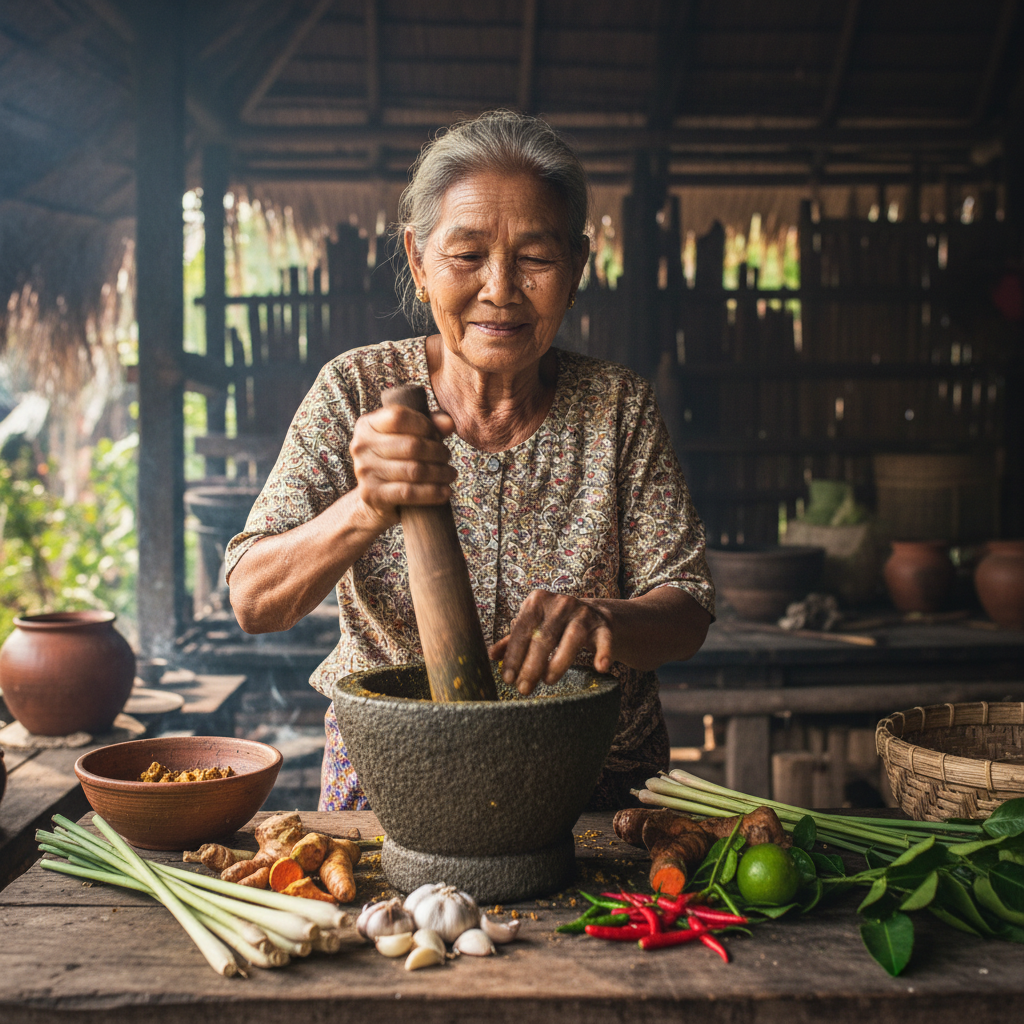
While these six dishes represent some of the most beloved and iconic flavors of Cambodia, the culinary landscape is vast and offers many other delights worth exploring.
- Lap Khmer (Beef Salad): A refreshing and zesty raw beef salad marinated in lime juice, seasoned with fish sauce, sugar, garlic, chilies, and mixed with fresh mint, basil, and shallots. It’s a dish that truly highlights the freshness of Cambodian ingredients.
- Kdam Chaa (Fried Crab): A specialty of coastal regions like Kep, this dish features fresh crabs stir-fried with Kampot pepper, garlic, and sometimes a touch of chili. The local Kampot pepper is world-renowned for its complex aroma and flavor.
- Sach Ko Chha Chha (Stir-fried Beef with Lemongrass): A fragrant and savory stir-fry featuring thinly sliced beef marinated and cooked with generous amounts of fresh lemongrass, garlic, and chili.
Various Khmer Desserts: Cambodian desserts often feature coconut milk, palm sugar, and local fruits like jackfruit, mango, and banana. Popular options include Nom Chak-Kachan (layer cake), Num Anksom* (sticky rice cakes), and various fruit-based puddings.
The Importance of Freshness and Balance
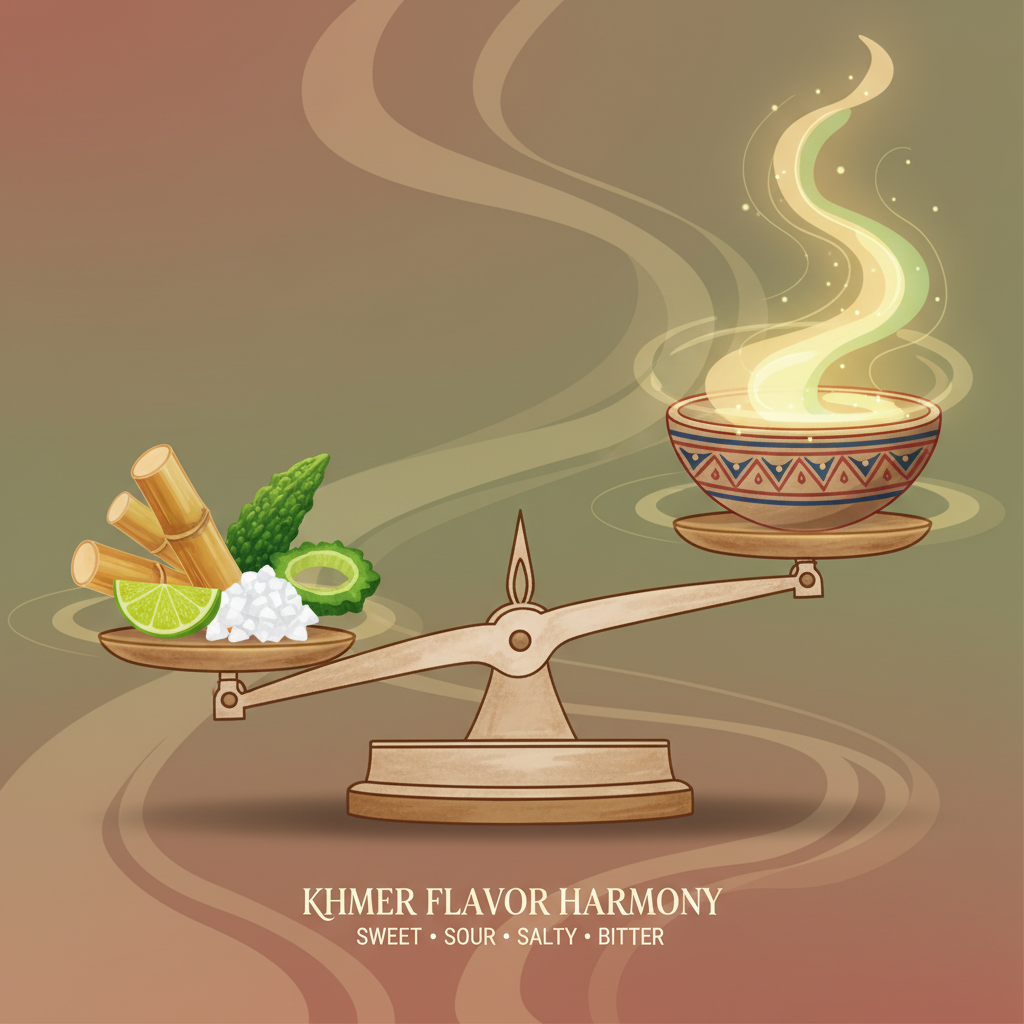
A common thread running through all these dishes is the emphasis on fresh ingredients and a delicate balance of flavors. Unlike cuisines that rely heavily on a single dominant spice, Khmer cooking orchestrates a symphony of tastes – the sweetness of coconut milk, the tang of lime, the saltiness of fish sauce, the subtle bitterness of certain herbs, and the gentle warmth of spices like turmeric and galangal.
The use of local produce is also key. From the fragrant herbs that grow abundantly to the fresh seafood and the staple rice, Cambodian cuisine is intrinsically linked to the land and its bounty. This connection to nature is reflected in the vibrant colors and fresh flavors of its dishes.
Conclusion: A Taste of Cambodian Soul
Cambodian cuisine, or Khmer food, is a hidden gem waiting to be discovered. It offers a unique culinary perspective, characterized by its subtle yet complex flavors, its emphasis on fresh ingredients, and its deep connection to cultural traditions. The top 6 Khmer dishes explored in this article – Amok Trei, Lok Lak, Kuy Teav, Samlor Machu Trey, Bai Sach Chrouk, and Nom Banh Chok – provide a perfect entry point into this fascinating world of flavors.
Each dish tells a story of Cambodian history, resilience, and ingenuity. From the comforting warmth of a noodle soup to the delicate fragrance of a steamed fish curry, these culinary creations offer more than just sustenance; they offer a glimpse into the heart and soul of Cambodia. So, the next time you have the opportunity, be sure to embark on your own culinary journey through Cambodia and savor the exquisite tastes that await. You might just find your new favorite cuisine.
Frequently Asked Questions (FAQs)
Q1: What is the most famous Cambodian dish?
A1: Amok Trei (Fish Amok) is widely considered the most famous and iconic Cambodian dish. It’s a steamed fish curry with coconut milk and kroeung (aromatic paste), known for its creamy texture and delicate, complex flavors.
Q2: Is Khmer food very spicy?
A2: Khmer food is generally not as spicy as Thai or some other Southeast Asian cuisines. While chilies are used, they are often used more for flavor and a gentle warmth rather than intense heat. Dishes can be easily customized with more or less chili to suit personal preference.
Q3: What is “kroeung” and why is it important in Khmer cooking?
A3: Kroeung is a fundamental aromatic paste in Cambodian cuisine, made by pounding together ingredients like lemongrass, galangal, turmeric, garlic, shallots, and chilies. It serves as the flavor base for many dishes, including curries and soups, imparting a distinctive fragrance and depth of flavor.
Q4: What is “prahok” and is it used in all Khmer dishes?
A4: Prahok is a pungent, fermented fish paste that is a cornerstone of traditional Khmer cooking, providing a unique umami richness. However, it is not used in all dishes. Its strong flavor means it’s often used judiciously, and many modern or international-friendly versions of dishes can be made without it or with a milder substitute.
Q5: What is the typical staple food in Cambodia?
A5: Rice is the absolute staple food in Cambodia. It is eaten with almost every meal, served steamed alongside main dishes, and used as the base for noodles and desserts.
Q6: Can I find vegetarian or vegan options in Khmer cuisine?
A6: Yes, while many traditional dishes feature meat or fish, vegetarian and vegan options are increasingly available, especially in tourist areas and larger cities. Many dishes can be adapted by omitting meat/fish and sometimes using tofu or vegetables as the primary protein. The emphasis on fresh vegetables and herbs in dishes like Nom Banh Chok and Samlor Machu also lends itself well to plant-based adaptations.