
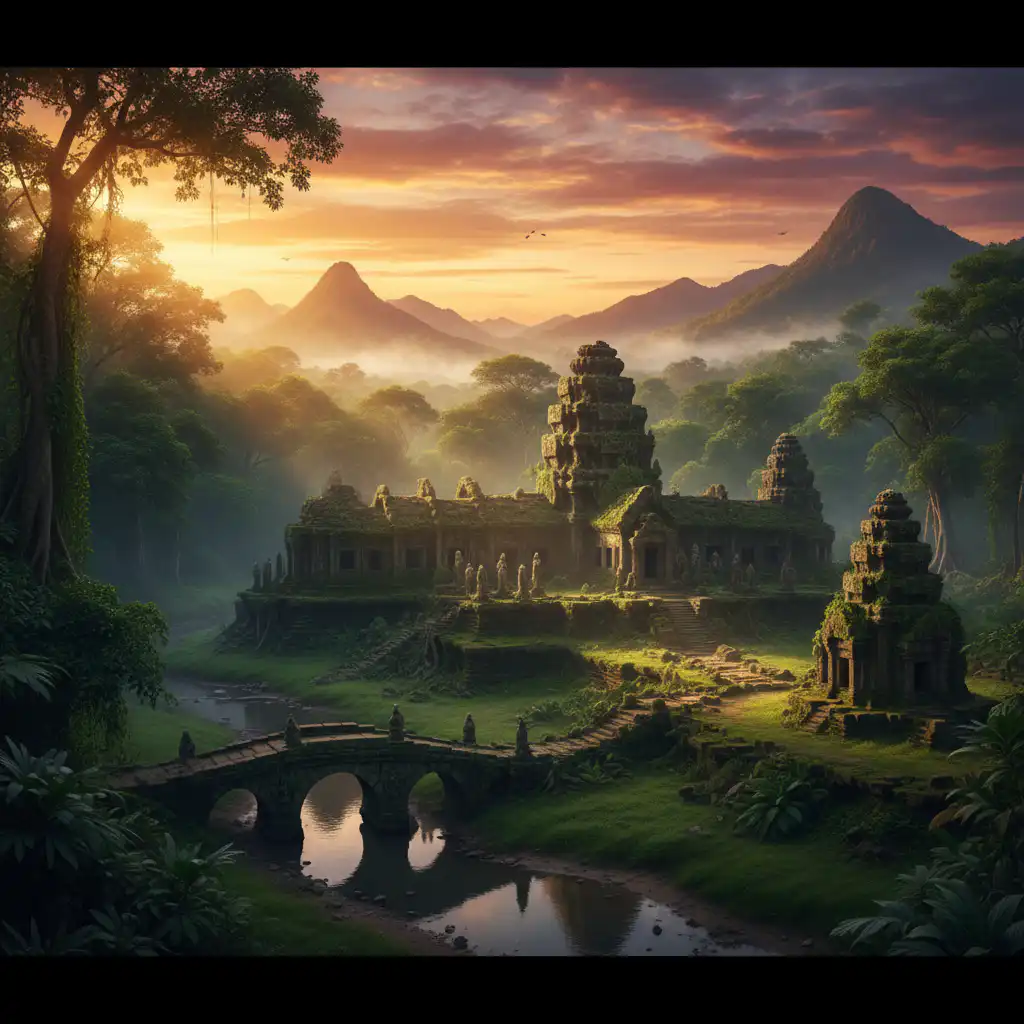

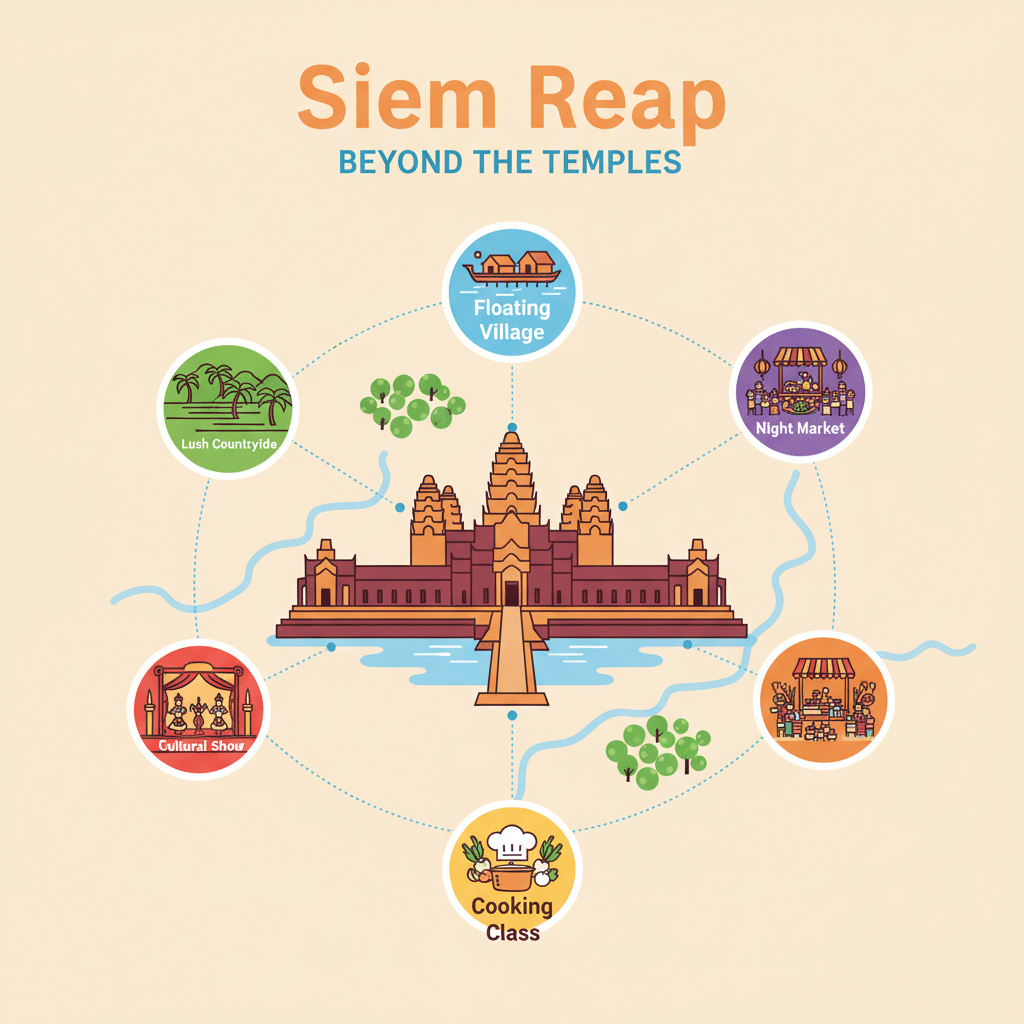
Top 5 Must-Visit Destinations in Siem Reap: Beyond the Temples
Siem Reap, Cambodia, is a name that conjures images of ancient stone temples shrouded in jungle, intricate carvings, and the echoes of a magnificent past. While the iconic Angkor Wat and its surrounding complexes are undeniably the main draw, this vibrant city offers so much more to the curious traveler. From bustling markets and serene waterways to engaging cultural performances and delicious local cuisine, Siem Reap is a destination that truly captivates the senses.
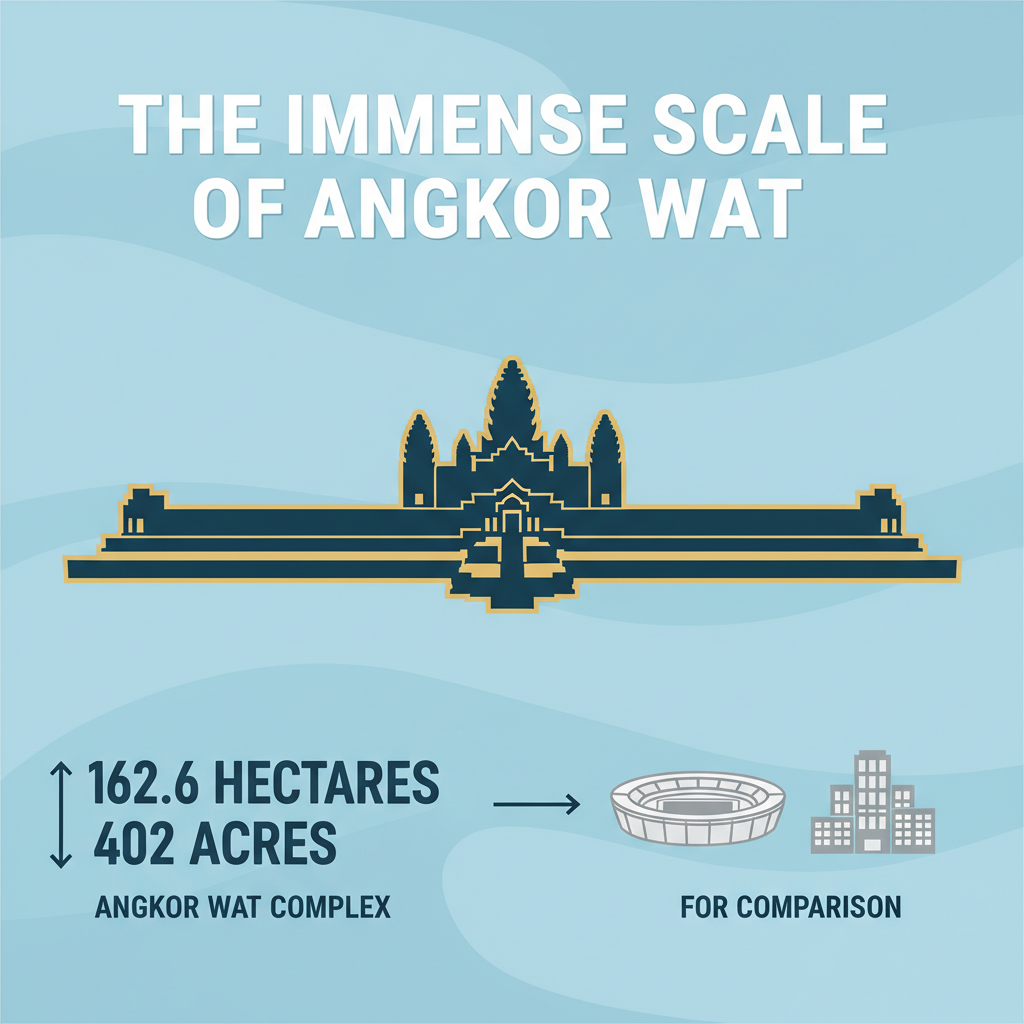
Did you know that Angkor Wat, the crown jewel of Siem Reap, is the largest religious monument in the world, covering an area of approximately 162.6 hectares (1,626,000 square meters)? This staggering scale hints at the immense history and architectural prowess of the Khmer Empire, drawing millions of visitors each year. But to truly experience the soul of Siem Reap, one must venture beyond the well-trodden temple paths and discover the diverse tapestry of experiences this enchanting Cambodian city has to offer.
This guide delves into the top 5 places to visit in Siem Reap, offering a blend of the historical, the cultural, and the contemporary. We’ll explore not only the world-renowned temples but also other essential stops that will enrich your understanding and appreciation of this remarkable region. Prepare to be amazed by the resilience of its people, the beauty of its landscapes, and the depth of its cultural heritage.
1. Angkor Wat: The Majestic Heart of the Khmer Empire
No visit to Siem Reap is complete without immersing yourself in the awe-inspiring grandeur of Angkor Wat. This UNESCO World Heritage site is not merely a tourist attraction; it’s a testament to the zenith of Khmer architecture and spiritual devotion. Built in the early 12th century by King Suryavarman II, it was originally dedicated to the Hindu god Vishnu before gradually transforming into a Buddhist temple towards the end of the century.
Architectural Marvels and Spiritual Significance
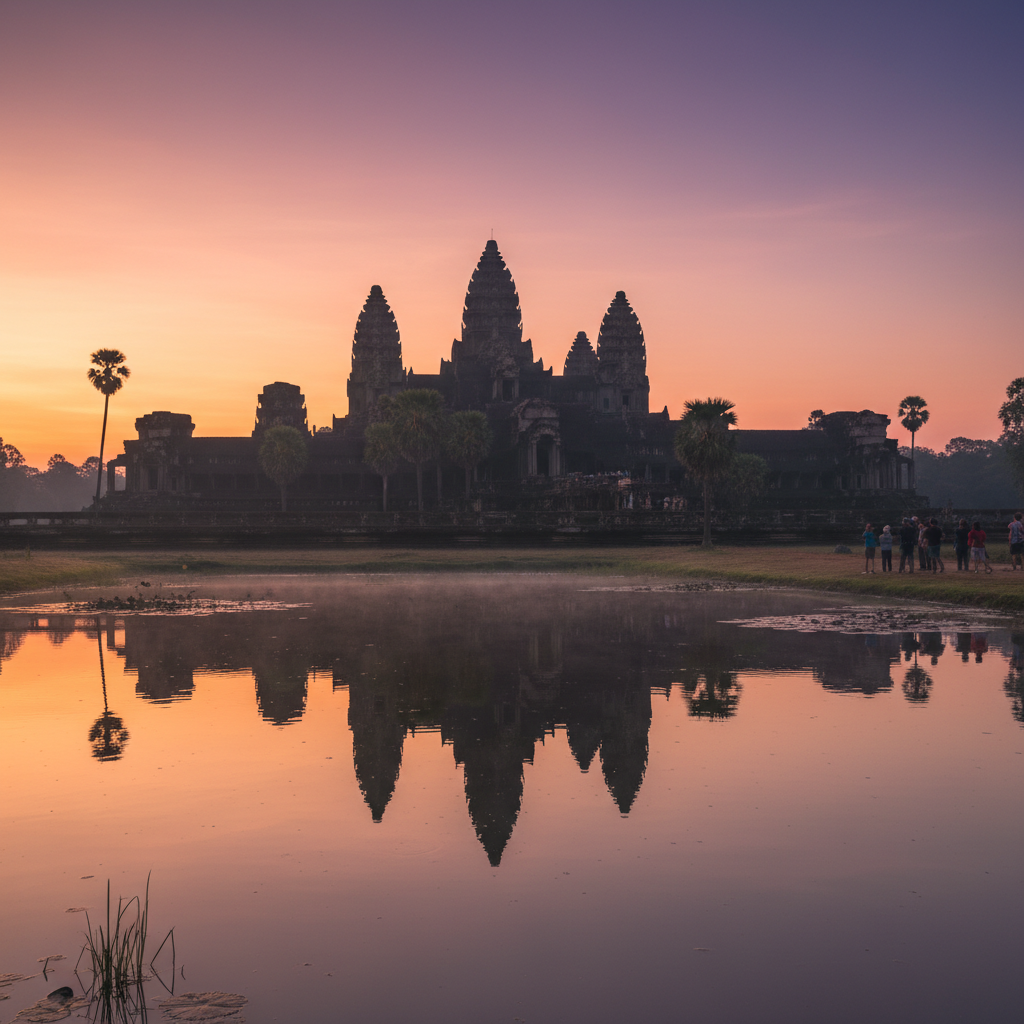
The sheer scale of Angkor Wat is breathtaking. Its iconic five-towered silhouette, representing Mount Meru, the mythical home of the gods, is instantly recognizable. As you approach, the vast moat surrounding the temple complex, reflecting the sky above, creates a dramatic and almost surreal entrance. The central temple itself is a masterpiece of symmetry and intricate detail.
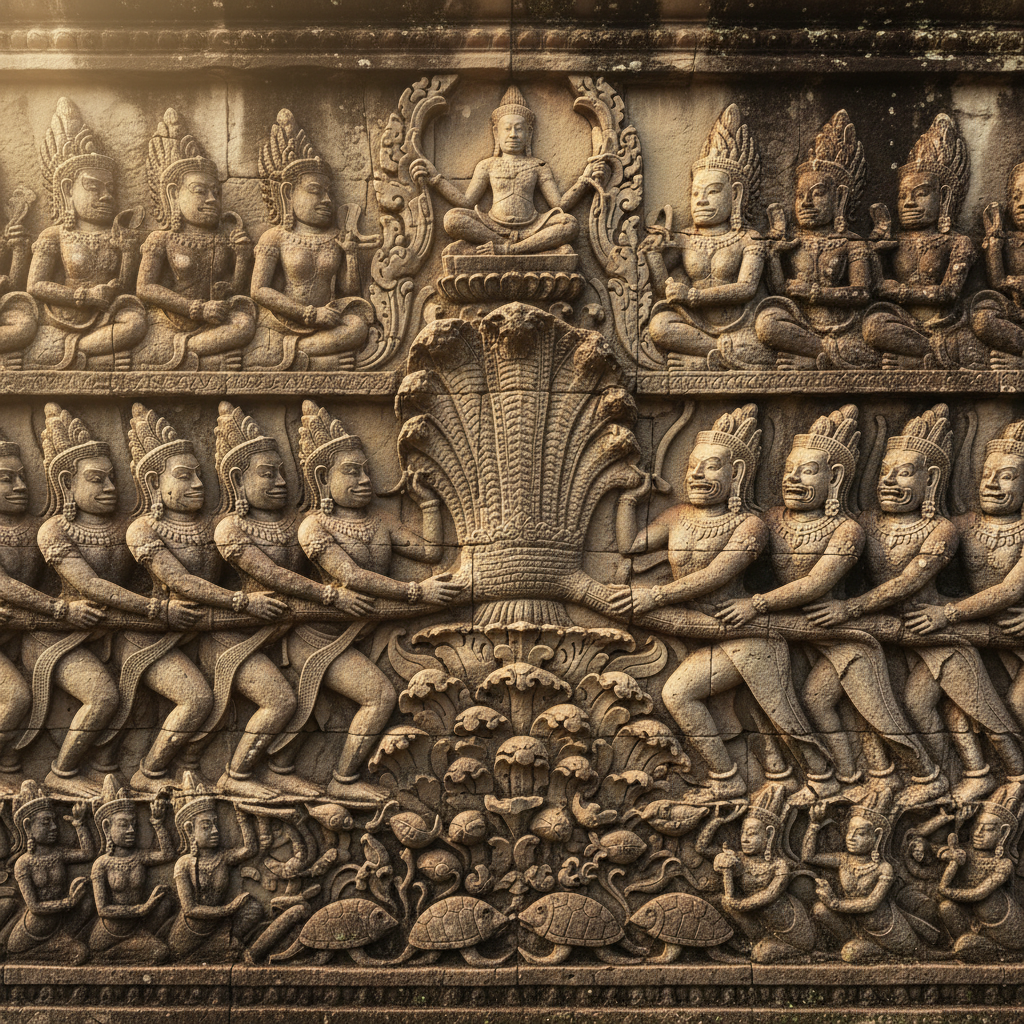
The bas-reliefs adorning the gallery walls are a particular highlight. These extensive carvings depict scenes from Hindu epics like the Ramayana and Mahabharata, as well as historical events and daily life during the Angkorian period. Take your time to trace the stories etched in stone; they offer a captivating glimpse into the beliefs and worldview of the Khmer people. The “Churning of the Ocean of Milk” bas-relief on the eastern gallery is arguably the most famous, illustrating a cosmic struggle between gods and demons.
Sunrise and Sunset Spectacles
One of the most sought-after experiences at Angkor Wat is witnessing the sunrise. As the first rays of light paint the sky in hues of orange and pink, casting a golden glow upon the ancient stones, it’s a moment of profound beauty and tranquility. Arrive early to secure a good viewing spot, typically by the reflecting pools in front of the main temple. The silhouette of the towers against the dawn sky is an unforgettable sight.
Similarly, sunset offers a different, yet equally captivating, spectacle. While not as universally popular as sunrise, watching the sun dip below the horizon, bathing the temple complex in warm, fading light, provides a more intimate and reflective experience. Many visitors opt to view the sunset from the upper levels of the temple or from the nearby Phnom Bakheng hill, which offers panoramic views.
Exploring the Complex
Angkor Wat is a vast complex, and it’s easy to spend an entire day exploring its nooks and crannies. Beyond the main temple, there are courtyards, libraries, and upper terraces to discover. Remember to dress respectfully, covering your shoulders and knees, as Angkor Wat remains a sacred site. Comfortable walking shoes are essential, as you’ll be doing a lot of walking and climbing. Hiring a local guide can significantly enhance your understanding of the history, symbolism, and architectural nuances of this incredible monument.
2. Angkor Thom: The Last Great Capital of the Khmer Empire
Just a short distance north of Angkor Wat lies Angkor Thom, a sprawling walled city that served as the last and most enduring capital of the Khmer Empire. Founded in the late 12th century by King Jayavarman VII, this immense complex is a treasure trove of temples, palaces, and public structures, each whispering tales of a powerful dynasty.
The Bayon Temple: Faces of Compassion
The undisputed centerpiece of Angkor Thom is the Bayon Temple. Famous for its enigmatic 54 towers, each adorned with over 200 smiling stone faces, the Bayon is a mesmerizing and somewhat mysterious structure. These serene, enigmatic faces, often interpreted as representations of King Jayavarman VII himself in his compassionate guise, gaze out in all directions, seemingly overseeing the entire kingdom. The symbolism and artistry are unparalleled, creating an atmosphere of profound peace and wonder. Wandering through the labyrinthine corridors and ascending to the upper terraces to get up close to these iconic faces is an experience that stays with you long after you leave.
Other Key Sites within Angkor Thom
Beyond the Bayon, Angkor Thom encompasses several other significant sites:
- The Terrace of the Elephants: A massive, intricately carved platform that once served as a grand viewing gallery for royal ceremonies and public audiences. The walls are adorned with detailed bas-reliefs of marching elephants, a recurring motif in Khmer art, alongside scenes of battles and daily life.
- The Terrace of the Leper King: Located to the north of the Terrace of the Elephants, this smaller terrace features a distinctive statue of a seated figure, believed to represent a leper king, though its true identity and purpose remain subjects of scholarly debate. The detailed carvings on its walls are also noteworthy.
- Baphuon: A large, pyramidal temple-mountain that was undergoing extensive restoration for many years. Visitors can climb to its summit for panoramic views of the surrounding complex. The sheer scale of the restoration effort is a testament to the dedication of archaeologists and conservationists.
- Phimeanakas: A smaller, pyramid-shaped temple located within the former royal palace complex. It’s believed to have been a sacred site for royal ceremonies, including a ritualistic nightly encounter between the king and a naga serpent goddess.
Exploring Angkor Thom requires a significant amount of time, ideally a full day, to truly appreciate the scale and diversity of its offerings. The sheer density of significant structures within this relatively compact area makes it a highly rewarding experience.
3. Ta Prohm: The Jungle’s Embrace
For those seeking a more atmospheric and visually dramatic encounter with the Angkorian ruins, Ta Prohm is an absolute must-visit. Famously featured in the movie Lara Croft: Tomb Raider, this temple is renowned for the colossal tree roots that have intertwined themselves with the ancient stonework, creating a powerful and evocative fusion of nature and architecture.
Nature’s Artistic Intervention
Originally built in the late 12th century by King Jayavarman VII as a Buddhist monastery and university, Ta Prohm was dedicated to his mother. Unlike many other temples that have undergone extensive restoration, Ta Prohm has been largely left in its natural state, allowing the jungle to reclaim its territory in a breathtaking display.
The iconic strangler figs and silk-cotton trees have sent their massive roots snaking over and through the temple walls, doorways, and chambers. The sight of these ancient trees, some with roots as thick as tree trunks, gripping the stone structures, is both beautiful and humbling. It’s a potent reminder of the impermanence of human creations and the enduring power of nature.
A Photographer’s Paradise
The interplay of light and shadow filtering through the dense jungle canopy, combined with the dramatic presence of the trees and the weathered stone, makes Ta Prohm a photographer’s dream. Every corner offers a new perspective, a new composition of ancient ruins being slowly absorbed by the living forest. The eerie stillness, broken only by the chirping of birds or the rustling of leaves, adds to the mystical ambiance.
Navigating the Temple
While Ta Prohm is visually stunning, it can also be quite crowded, especially during peak hours. It’s advisable to visit early in the morning or later in the afternoon to avoid the largest tour groups. The paths are relatively well-maintained, but some areas can be uneven due to the tree roots. Keep an eye out for the famous “Tomb Raider tree,” a particularly massive and photogenic specimen.
4. Pub Street and the Night Market: Siem Reap’s Vibrant Pulse
While the ancient temples offer a journey back in time, Pub Street and the surrounding Night Market provide a vibrant glimpse into modern Siem Reap’s energetic and welcoming spirit. This bustling area is the heart of the city’s social and commercial life, offering a kaleidoscope of sights, sounds, and flavors.
Pub Street: The Social Hub
Pub Street is a pedestrianized lane that truly comes alive after sunset. Lined with an eclectic mix of restaurants, bars, and pubs, it’s the perfect place to unwind after a day of temple exploration. Here, you can indulge in affordable Khmer cuisine, from flavorful Amok (fish curry steamed in banana leaves) to spicy Larb (minced meat salad), or opt for international dishes. The atmosphere is lively and convivial, with music often spilling out from the various establishments. Happy hour deals are plentiful, making it a popular spot for both backpackers and more seasoned travelers.
The Night Market: Treasures and Trinkets
Adjacent to Pub Street, the Siem Reap Night Market (and several others nearby) is a shopper’s paradise. Here, you can find a wide array of souvenirs, handicrafts, clothing, and local products. Browse stalls selling silk scarves, intricately carved wooden items, silver jewelry, spices, and traditional Apsara dance costumes. Haggling is expected, so don’t be afraid to negotiate prices respectfully. It’s a great place to pick up unique gifts and mementos of your trip.
Beyond shopping, the Night Market also offers opportunities to experience local life. You’ll find food stalls selling delicious street food, including crispy crickets and fried insects for the adventurous, as well as more conventional snacks. Massage parlors offering traditional Khmer massages are also abundant, providing a perfect way to soothe tired muscles.
Cultural Performances
Many restaurants and venues around Pub Street and the Night Market feature traditional Khmer cultural performances, most notably the Apsara dance. This elegant and graceful dance form, with its elaborate costumes and intricate hand gestures, is a beautiful expression of Cambodian heritage. Watching an Apsara performance is a wonderful way to connect with the country’s rich artistic traditions.
5. Tonlé Sap Lake: The Lifeblood of Cambodia
Venturing beyond the city limits of Siem Reap, a visit to Tonlé Sap Lake offers a profound insight into the daily lives of the Cambodian people and the importance of this vast, dynamic freshwater lake. As Southeast Asia’s largest freshwater lake, Tonlé Sap plays a crucial role in the country’s ecosystem and economy, particularly its fisheries.
Floating Villages: A Unique Way of Life
The most popular way to experience Tonlé Sap is by visiting one of its floating villages. Chong Kneas, Kampong Phluk, and Kampong Khleang are among the most accessible and commonly visited. These villages are not just houses on stilts; they are entire communities that move with the water levels of the lake. During the dry season, houses are perched high on stilts, while during the monsoon season, the stilts become submerged, and the houses appear to float.
- Chong Kneas: The closest to Siem Reap, it’s often the most touristy but offers a quick glimpse into floating life. You’ll see stilted houses, floating schools, markets, and even crocodile farms.
- Kampong Phluk: Known for its stilted houses that stand tall even during the wet season, surrounded by flooded forests. This village offers a more authentic feel and stunning scenery, especially when the waters rise.
- Kampong Khleang: The largest and most remote of the floating villages, it provides the most authentic experience. It’s less frequented by tourists, offering a genuine look at the daily routines of the fishing communities.
A boat tour through these villages is a fascinating experience. You’ll witness children paddling to school, fishermen casting their nets, and families going about their daily lives on the water. It’s a stark reminder of how deeply intertwined human existence is with the natural environment.
The Importance of Tonlé Sap
Tonlé Sap’s ecological significance is immense. Its unique hydrological system, where the river reverses flow during the monsoon season, flooding the surrounding Tonlé Sap Biosphere Reserve, creates a vast inland delta. This seasonal flooding is critical for fish breeding grounds, making the lake one of the most productive inland fisheries in the world. The lake also supports a rich biodiversity, including various bird species.
Important Considerations:
When visiting the floating villages, it’s essential to choose a responsible tour operator. Be mindful of your interactions with the local communities and avoid giving money directly to children, as this can encourage begging. Opting for tours that support local initiatives or contribute to community development can be a more ethical choice.
Beyond the Top 5: Other Notable Attractions in Siem Reap
While the top 5 destinations offer a comprehensive experience of Siem Reap, there are several other noteworthy places that deserve a mention for those with more time or specific interests:
Banteay Srei: The Citadel of Women
Often referred to as the “Jewel of Khmer Art,” Banteay Srei is a 10th-century temple renowned for its exquisite and incredibly detailed pink sandstone carvings. Located about 25 kilometers northeast of Siem Reap, it’s a bit further afield but well worth the journey. The temple is dedicated to the Hindu god Shiva and features intricate bas-reliefs depicting scenes from the Ramayana and other Hindu myths. Its relatively small scale and delicate artistry make it stand out from the grander temples of Angkor.
Cambodia Landmine Museum
For a sobering yet essential perspective on Cambodia’s recent history, the Cambodia Landmine Museum is a must-visit. Founded by Aki Ra, a former child soldier who dedicated his life to clearing landmines, the museum educates visitors about the devastating impact of landmines and unexploded ordnance in Cambodia. It showcases a collection of deactivated landmines and tells the personal stories of those affected. It’s a powerful reminder of the country’s resilience and the ongoing efforts towards peace.
Artisans Angkor
To understand the revival of traditional Khmer arts and crafts, a visit to Artisans Angkor is highly recommended. This social enterprise aims to preserve and promote traditional Cambodian craftsmanship, providing training and employment opportunities for rural artisans. You can visit their workshops to see skilled craftspeople at work, creating beautiful silk products, stone carvings, lacquerware, and more. It’s a fantastic place to purchase high-quality, ethically produced souvenirs.
Local Markets (Psar Chas – Old Market)
While the Night Market is popular, the Old Market (Psar Chas) offers a more authentic glimpse into local life. This bustling indoor market is a hub of activity where locals shop for fresh produce, meats, seafood, spices, household goods, and clothing. It’s a sensory overload in the best possible way, offering a chance to experience the vibrant daily commerce of Siem Reap. You can also find souvenirs and local snacks here.
Kulen Mountain (Phnom Kulen)
For a refreshing escape into nature, a trip to Kulen Mountain is an excellent option. This sacred mountain is home to waterfalls, ancient carvings (including a giant reclining Buddha and a riverbed with numerous lingas), and a pilgrimage site for Cambodians. It offers a chance for a cool dip in the waterfall pools and a glimpse into the spiritual significance of the mountain.
Practical Tips for Visiting Siem Reap
To make the most of your trip to Siem Reap, consider these practical tips:
- Getting Around: Tuk-tuks are the most common and convenient way to get around Siem Reap and explore the temple complexes. Negotiate fares beforehand. Bicycles are also a popular option for exploring the city and closer temples. For longer distances or more comfort, taxis and ride-sharing apps are available.
- Temple Passes: You will need a temple pass to enter the Angkor Archaeological Park. These are available for 1-day, 3-day, and 7-day durations. Purchase your pass from the official ticket office to avoid scams.
- Dress Code: When visiting temples, it is crucial to dress respectfully. This means covering your shoulders and knees. Light, breathable clothing is recommended due to the tropical climate.
- Hydration and Sun Protection: The Cambodian heat can be intense. Drink plenty of water, wear sunscreen, a hat, and sunglasses.
- Best Time to Visit: The dry season, from November to March, offers pleasant temperatures and less humidity, making it ideal for exploring. The shoulder months (April-May and October) can be hotter but less crowded. The wet season (June-September) sees fewer tourists and lush landscapes, but expect frequent rain showers.
- Currency: The Cambodian Riel (KHR) is the official currency, but the US Dollar (USD) is widely accepted and often preferred for larger purchases and tourist services. It’s advisable to carry small USD denominations.
- Respect Local Culture: Be mindful of local customs and traditions. Always ask for permission before taking photos of people, and be respectful when visiting religious sites.
Conclusion: A Tapestry of Wonders
Siem Reap is a destination that offers an unparalleled blend of ancient history, vibrant culture, and warm hospitality. While the magnificent temples of Angkor Wat, Angkor Thom, and Ta Prohm are undoubtedly the stars of the show, the city’s charm extends far beyond its archaeological wonders. From the lively energy of Pub Street and the bustling Night Market to the unique charm of the floating villages on Tonlé Sap Lake, Siem Reap provides a multifaceted experience that caters to every traveler’s interests.
The resilience of the Khmer people, their rich cultural heritage, and the breathtaking beauty of their ancient civilization create an unforgettable travel experience. Whether you’re marveling at the smiling faces of the Bayon, navigating the jungle-entwined ruins of Ta Prohm, or simply enjoying a local meal amidst the buzz of Pub Street, Siem Reap leaves an indelible mark on the soul.
This guide has highlighted the top 5 places to visit, but the magic of Siem Reap lies in its ability to surprise and delight at every turn. So, pack your bags, open your mind, and prepare to be enchanted by the timeless allure of this Cambodian gem. The echoes of the past and the vibrant pulse of the present converge here, creating a symphony of experiences that will resonate long after your journey ends.
Frequently Asked Questions (FAQs)
1. How many days are recommended for a visit to Siem Reap?
For a comprehensive experience that includes the major temples and some of the city’s other attractions, 3 to 4 days are generally recommended. This allows enough time to explore the key Angkor complexes (Angkor Wat, Angkor Thom, Ta Prohm) without feeling rushed, and also to experience Pub Street, the night markets, and perhaps a day trip to Tonlé Sap Lake or Banteay Srei. If you are a keen history buff or want to explore more remote temples, consider a 7-day pass and a longer stay.
2. What is the best time of year to visit Siem Reap?
The dry season, from November to March, is considered the best time to visit Siem Reap. During these months, the weather is generally cooler and less humid, with plenty of sunshine, making it ideal for exploring the vast temple complexes. However, this is also the peak tourist season, so expect larger crowds and higher prices. The shoulder months of April and May can be very hot, while the wet season (June to September) brings lush greenery and fewer tourists, but also frequent rain showers.
3. What should I wear when visiting the temples in Siem Reap?
It is essential to dress respectfully when visiting the temples within the Angkor Archaeological Park, as they are sacred sites. This means covering your shoulders and knees. Lightweight, breathable fabrics like cotton or linen are highly recommended due to the tropical climate. Avoid overly revealing clothing, such as tank tops, short shorts, or mini-skirts. Comfortable walking shoes are also a must, as you’ll be doing a lot of walking and climbing stairs.
4. Is it safe to drink tap water in Siem Reap?
No, it is not recommended to drink tap water in Siem Reap. While the water quality has improved, it is best to stick to bottled water or water purified through reliable methods. Most hotels and restaurants provide safe drinking water. Be mindful of ice in drinks as well; if you are unsure, it’s best to avoid it or ensure it’s made from purified water. Bottled water is readily available throughout the city and at tourist sites.
5. How can I get around Siem Reap and the Angkor temples?
Tuk-tuks are the most popular and convenient mode of transport for tourists in Siem Reap. They are readily available for hire for short trips around town or for full-day excursions to the temples. It’s advisable to negotiate the fare with your driver before starting your journey. Other options include bicycles (great for exploring the city and closer temples), taxis, and ride-sharing apps like Grab. For longer distances or more comfort, hiring a car with a driver is also an option.
6. What currency is used in Cambodia?
The official currency of Cambodia is the Cambodian Riel (KHR). However, the US Dollar (USD) is widely accepted and often preferred, especially in tourist areas like Siem Reap. You will find prices frequently quoted in USD. Smaller denominations of USD are very useful for everyday purchases, and change may be given in a combination of USD and Riel. It’s a good idea to carry both, but you can largely get by using USD. ATMs in Siem Reap dispense both USD and Riel.