
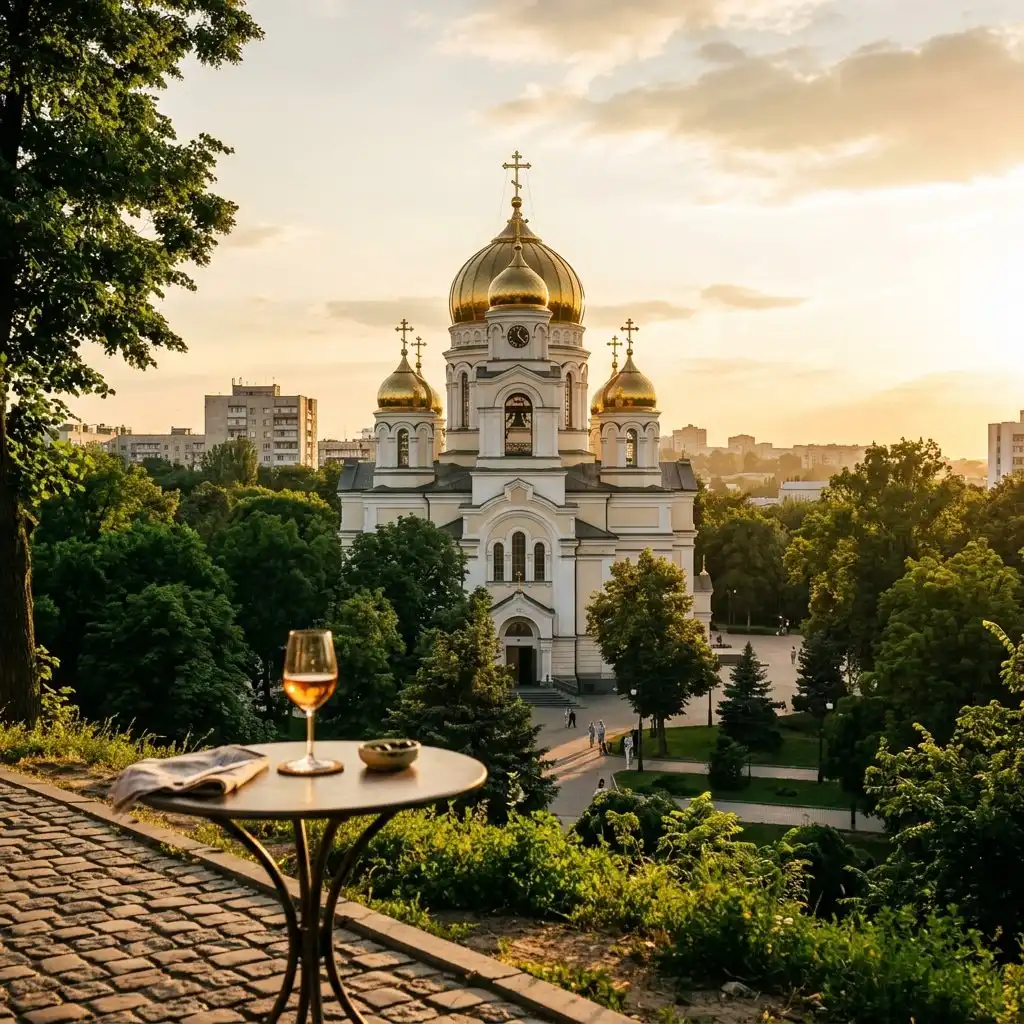

Did you know that Chișinău is often cited as one of the greenest capitals in all of Europe? With a canopy of trees covering nearly a third of the city’s surface area, this vibrant metropolis offers a refreshing escape from the concrete jungles typically associated with major European hubs. As we look at the travel landscape in 2026, Chișinău has emerged as a must-visit destination for those seeking authenticity, history, and a touch of the unexpected. Nestled between Romania and Ukraine, Moldova’s capital is a fascinating blend of cultures, architecture, and history that feels both familiar and entirely unique.
Whether you are a history buff, a lover of fine wine, or simply someone who enjoys wandering through leafy parks and bustling café streets, Chișinău provides a rich tapestry of experiences. This city does not shout for attention like Paris or Rome; instead, it invites you to slow down, pull up a chair at a sidewalk bistro, and discover its secrets at your own pace.
Understanding the Soul of Chișinău
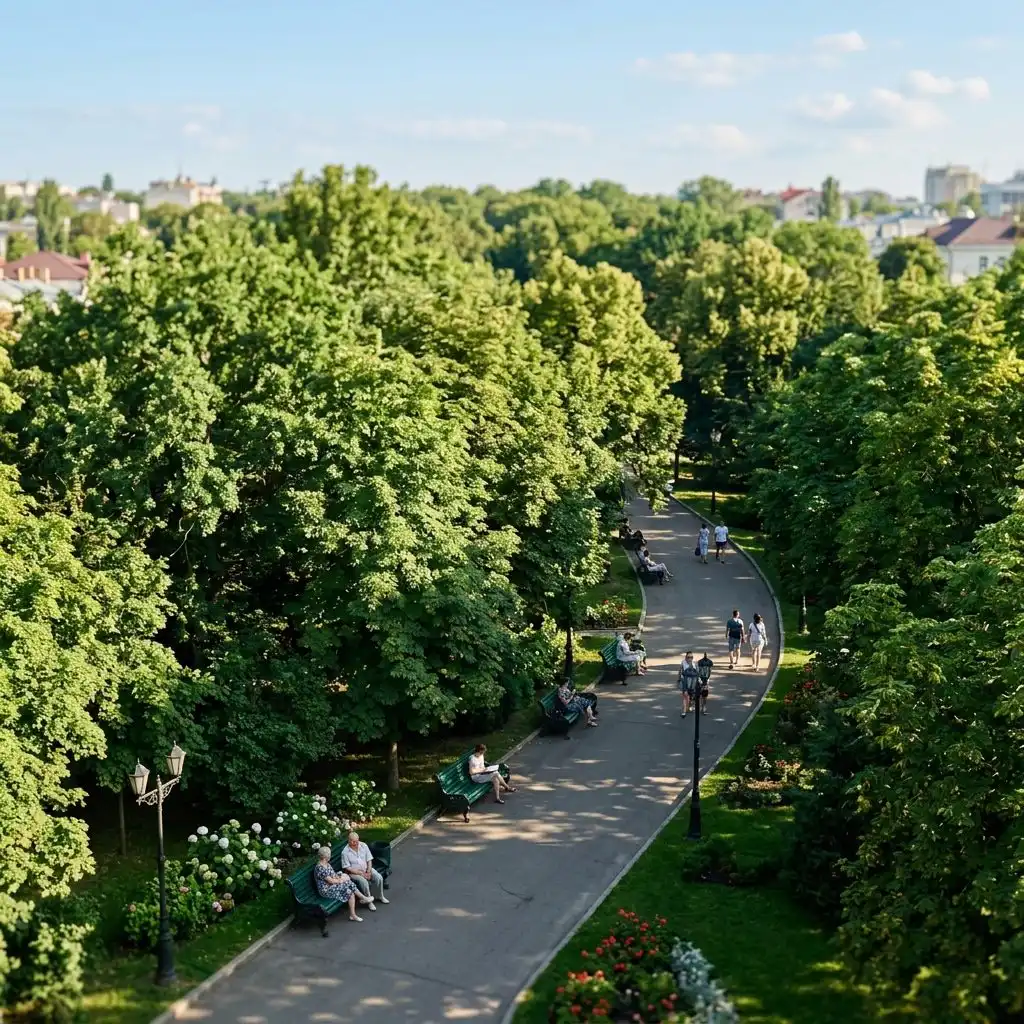
To understand Chișinău, one must first understand its layered past. The city has been shaped by various empires, including the Russian and Ottoman, and spent decades as part of the Soviet Union. This complex heritage is etched into the very stones of its buildings. You will find grand, neoclassical structures standing proudly beside brutalist Soviet-era blocks, creating a visual dialogue between different eras of history.
Despite its turbulent past, the city today is a place of optimism and rapid modernization. The current residents of Chișinău—known for their legendary hospitality—are eager to welcome visitors into their fold. If you are planning a trip to this region, you might find it helpful to look into travel tips for Moldova to get a better sense of the local customs and etiquette before you arrive.
The Green Heart: Parks and Public Spaces
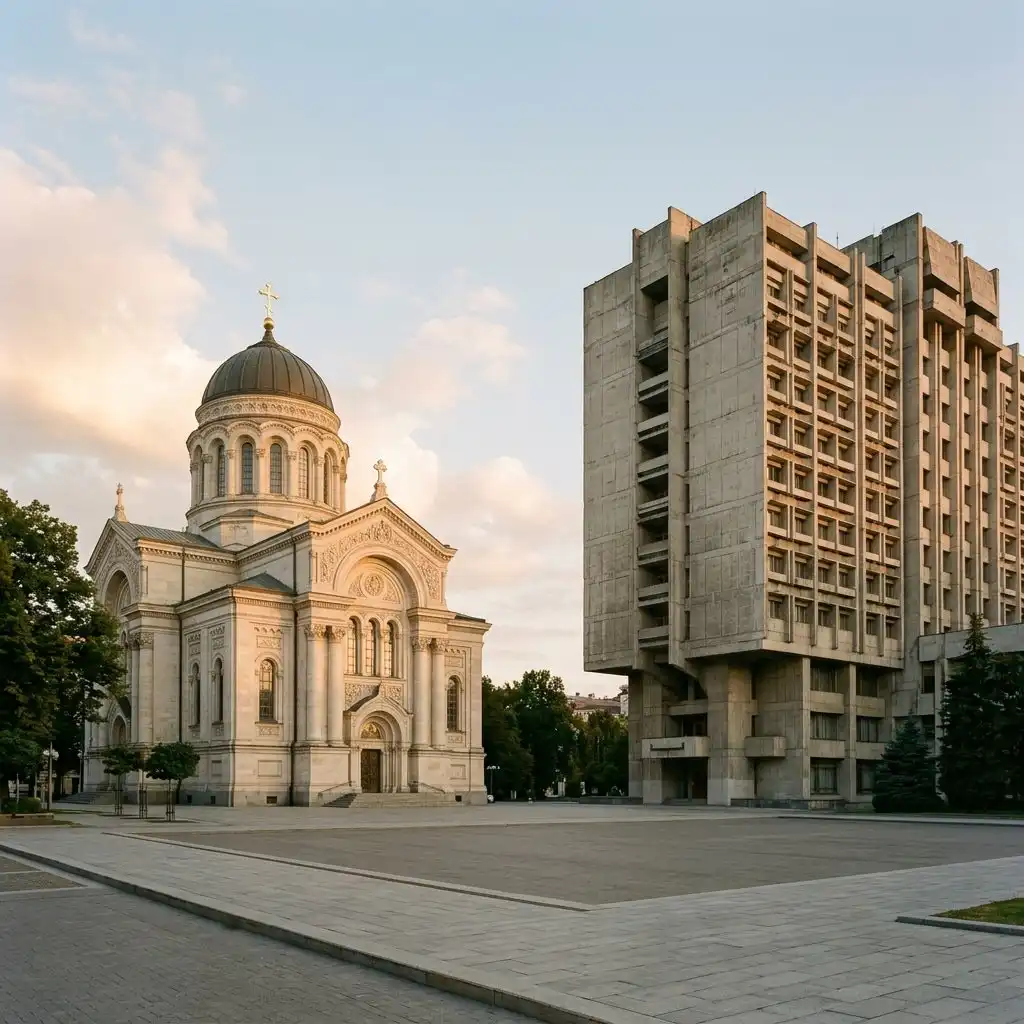
One of the most striking features of Chișinău is its abundance of parks. Stefan cel Mare Central Park, often called the “Park of the Lovers,” serves as the city’s living room. It is the oldest park in the city and remains a hub for social life. On any given afternoon in 2026, you will find students reading on benches, elderly locals playing intense games of chess, and families enjoying the shade of ancient trees.
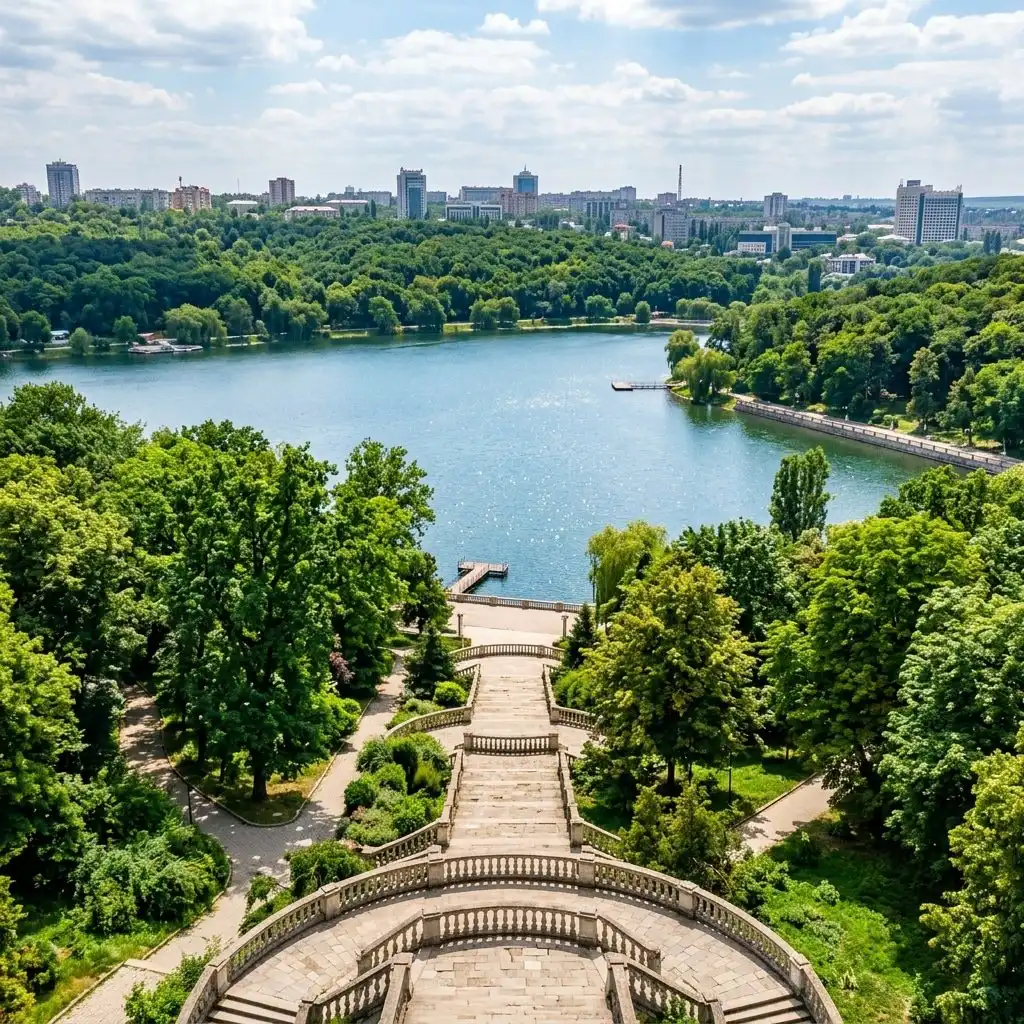
Another gem is Valea Morilor Park. Built around a massive artificial lake, this park is the perfect spot for a long walk or a jog. The sweeping staircase that leads down to the water is a masterpiece of design, offering panoramic views of the lake and the surrounding forest. During the warmer months, the park is alive with local musicians and vendors selling artisanal snacks, making it the ideal spot to spend a lazy Sunday.
Architectural Wonders: From Cathedrals to Brutalism
The architectural landscape of Chișinău is a rollercoaster for the senses. At the center of the religious life of the city stands the Nativity Cathedral. With its iconic golden domes and neoclassical bell tower, it is a stunning example of 19th-century religious architecture. The park surrounding the cathedral is a peaceful sanctuary where the sound of church bells provides a rhythmic backdrop to the bustling city life.
Contrasting this traditional beauty are the remnants of the Soviet era. The city features several examples of monumental architecture, including the Government House and various administrative buildings that showcase the scale and ambition of the mid-20th century. For those interested in the history of the region, these buildings are not just structures; they are historical markers that tell the story of a time when the city was a key industrial and administrative hub within the Soviet Union. If you want to dive deeper into the architectural evolution of the city, you can read more about historical architecture in Chișinău.
The Café Culture: A Modern Twist on Tradition
If there is one thing that defines the modern pulse of Chișinău, it is its thriving café culture. Over the last few years, the city has seen an explosion of specialty coffee shops, artisanal bakeries, and cozy bistros that rival those found in much larger European capitals. These establishments are not merely places to grab a caffeine fix; they are the social hubs where the city’s creative class congregates.
Whether you prefer a minimalist, industrial-style café or a quaint spot with vintage furniture, you will find something to suit your taste. Many of these cafés source their beans from local roasters and pair their brews with traditional Moldovan pastries, such as the famous placinta. Trying a warm, cheese-filled placinta with a cup of strong coffee is practically a rite of passage for any visitor.
Museums and Cultural Institutions
To truly grasp the identity of the Moldovan people, a visit to the National Museum of History of Moldova is essential. The museum houses an extensive collection of artifacts that span thousands of years, from ancient civilizations to the modern era. It provides necessary context for understanding the cultural shifts that have defined the nation.
For art enthusiasts, the National Museum of Fine Arts offers a beautiful collection of both local and international works. The building itself, a former palace, is a work of art, featuring intricate stucco work and grand staircases. Even if you are not a museum regular, the atmosphere within these halls is quiet and contemplative, offering a brief respite from the bright city streets.
The Culinary Scene: Wine and Gastronomy
No discussion of Moldova would be complete without mentioning wine. As a country with one of the highest densities of vineyards in the world, Moldova takes its viticulture very seriously. Chișinău serves as the gateway to the country’s world-renowned wine cellars. Even within the city, you can find sophisticated wine bars that offer tastings of indigenous grape varieties like Fetească Albă or Rara Neagră.
The culinary scene is equally impressive. Moldovan cuisine is hearty, flavorful, and deeply rooted in seasonal produce. You will find dishes that reflect the country’s agricultural heritage, such as mămăligă (a cornmeal porridge similar to polenta) served with rich stews, sour cream, and salty sheep cheese. In 2026, the city’s top chefs are experimenting with these traditional flavors, creating modern interpretations that are drawing attention from food critics across the globe.
Festivals and Local Life
Chișinău is a city that loves to celebrate. Throughout the year, the streets are filled with festivals that highlight music, wine, and local crafts. The National Wine Day, held annually in the autumn, is perhaps the most famous event, drawing thousands of visitors to the Great National Assembly Square to sample the latest vintages from across the country.
Even when there is no festival, the local life is vibrant. Markets like the Central Market (Piața Centrală) offer a raw and authentic look at daily life. It is here that you can buy fresh produce, local honey, hand-knitted wool products, and spices. It is a sensory overload in the best way possible, providing a glimpse into the everyday commerce that sustains the city.
Navigating the City
Chișinău is a relatively compact city, making it easy to explore on foot or by using the efficient trolleybus system. The trolleybuses, which have been a staple of the city’s public transport for decades, are an affordable and reliable way to get from one neighborhood to another. For those who prefer a bit more convenience, ride-sharing apps are widely available and very cost-effective in 2026.
Language can be an interesting experience for visitors. While Romanian is the official language, many locals, especially in the younger generation, are fluent in English. Russian is also widely spoken, reflecting the diverse cultural makeup of the city. Learning a few basic phrases in Romanian will go a long way in endearing you to the locals, who generally appreciate the effort to engage with their language and culture.
Planning Your 2026 Visit
If you are considering a trip to Chișinău, spring and early autumn are undoubtedly the best times to visit. The weather is mild, the parks are in full bloom or displaying vibrant fall foliage, and the city’s outdoor terraces are buzzing with life. Accommodation options range from high-end international hotels to charming boutique guesthouses housed in historic buildings.
As you plan your itinerary, remember to leave room for spontaneity. Some of the best experiences in Chișinău happen when you wander off the main thoroughfares and find yourself in a quiet courtyard or a hidden garden café. The city rewards curiosity and patience, revealing its layers to those who take the time to look.
Safety and Practical Considerations
Chișinău is generally a safe city for travelers. Like any major urban center, it is wise to keep an eye on your belongings in crowded areas, but the overall atmosphere is welcoming and relaxed. Medical facilities are modern and accessible, and the city’s infrastructure continues to improve year over year.
It is also worth noting that Moldova is a cash-heavy society in many smaller markets and traditional shops, so carrying a bit of local currency is always a good idea. However, credit cards are widely accepted in most cafés, restaurants, and hotels throughout the city. For more detailed information on local logistics, you can look up the latest travel guide for Chișinău.
The Future of the Capital
As we move deeper into 2026, Chișinău is clearly on a path of growth. New investments in public infrastructure, a renewed focus on preserving historic sites, and a blossoming creative economy are transforming the city into a modern European destination. Yet, despite these changes, the city manages to retain its unique character—a blend of Slavic and Latin influences that makes it truly distinct.
The charm of Chișinău lies in its ability to be both a bustling capital and a leafy, peaceful retreat. It is a place where you can spend your morning admiring a Soviet-era monument and your afternoon sipping high-end wine in a modern vineyard tasting room. It is a city of contradictions that somehow resolve into a harmonious and welcoming whole.
Conclusion
Chișinău is a destination that defies simple categorization. It is a city that asks you to look past the surface and engage with its history, its culture, and its people. From the tranquil beauty of its vast parks and the imposing grandeur of its cathedrals to the cozy warmth of its modern café culture, the city offers a diverse range of experiences for every type of traveler.
As you reflect on your journey through this vibrant capital, you will likely find that it is the small moments—the taste of a fresh placinta, the sound of music in a city park, or a conversation with a friendly local—that stay with you the longest. In 2026, Chișinău stands as a testament to the resilience and beauty of Moldova, waiting to be discovered by those who seek something truly authentic. Whether you are passing through for a weekend or planning a longer stay, this city promises to leave a lasting impression, inviting you to return and explore even more of its hidden corners.
What is the best time of year to visit Chișinău?
The best time to visit is during the spring months of April and May, or early autumn in September and October. During these periods, the weather is pleasant, and the city’s parks are particularly beautiful, making it perfect for walking tours and outdoor dining.
Is Chișinău an expensive city for tourists?
Compared to other European capitals, Chișinău is very affordable. You will find that accommodation, dining, and transportation costs are significantly lower than in Western Europe, allowing you to enjoy a high-quality experience without breaking your budget.
Do I need a visa to visit Moldova?
Visa requirements depend on your nationality. Many travelers from the European Union, the United States, and several other countries can enter Moldova for short stays without a visa. It is highly recommended to check the official government website for the most up-to-date entry requirements before you book your trip.
What are the must-try foods in Chișinău?
You should definitely try mămăligă (cornmeal porridge) served with cheese and sour cream, placinta (a traditional pastry filled with cheese, potatoes, or sour cherries), and sarmale (cabbage rolls filled with minced meat and rice). Also, be sure to sample the local wines, which are among the best in the region.
Is it easy to get around the city without a car?
Yes, absolutely. The city is very walkable, especially in the central areas. For longer distances, the trolleybus and bus networks are reliable and inexpensive. Taxis and ride-sharing services are also widely available and very affordable, making it easy to navigate the city without needing to drive yourself.
What language is spoken in Chișinău?
The official language is Romanian. However, because of the city’s history and diverse population, Russian is also very commonly spoken and understood. In the tourism and hospitality sectors, English is increasingly common, especially among the younger generation.
Final Thoughts for the Curious Traveler
Ultimately, the allure of Chișinău lies in its modesty. It does not shout its history from the rooftops with garish tourist traps or overwhelming crowds. Instead, it invites you to slow down, pull up a chair at a sidewalk bistro, and observe the rhythmic pulse of a city that is quietly finding its place on the modern European map. Whether you are a history buff intrigued by the layers of the twentieth century, a wine enthusiast chasing the world’s best hidden cellars, or simply someone looking for an off-the-beaten-path destination that feels genuine and unscripted, Chișinău delivers.
As you pack your bags, leave behind any preconceived notions you might have about Eastern European capitals. Come with an open mind and a healthy appetite. You will find a city that is surprisingly green, culturally layered, and deeply hospitable. The transition from the bustling, chaotic energy of the central markets to the serene, tree-lined boulevards of the city center is a journey in itself. It is a place where you can experience the profound weight of history and the lighthearted joy of a modern, budding creative scene in the span of a single afternoon.
Chișinău is not just a stopover; it is an experience that lingers. It encourages you to linger over your coffee, to strike up a conversation with a stranger, and to appreciate the simple beauty of a city that values human connection above all else. By the time you board your flight home, you will likely realize that your favorite memories aren’t necessarily tied to the grand monuments or the famous museums, but rather to the quiet, authentic moments that make this capital so special. So, take that walk through the Dendrarium Park, order that extra glass of local Fetească Neagră, and soak in the atmosphere. Moldova’s capital is waiting, and it has a way of staying with you long after you have left. Enjoy the discovery.