
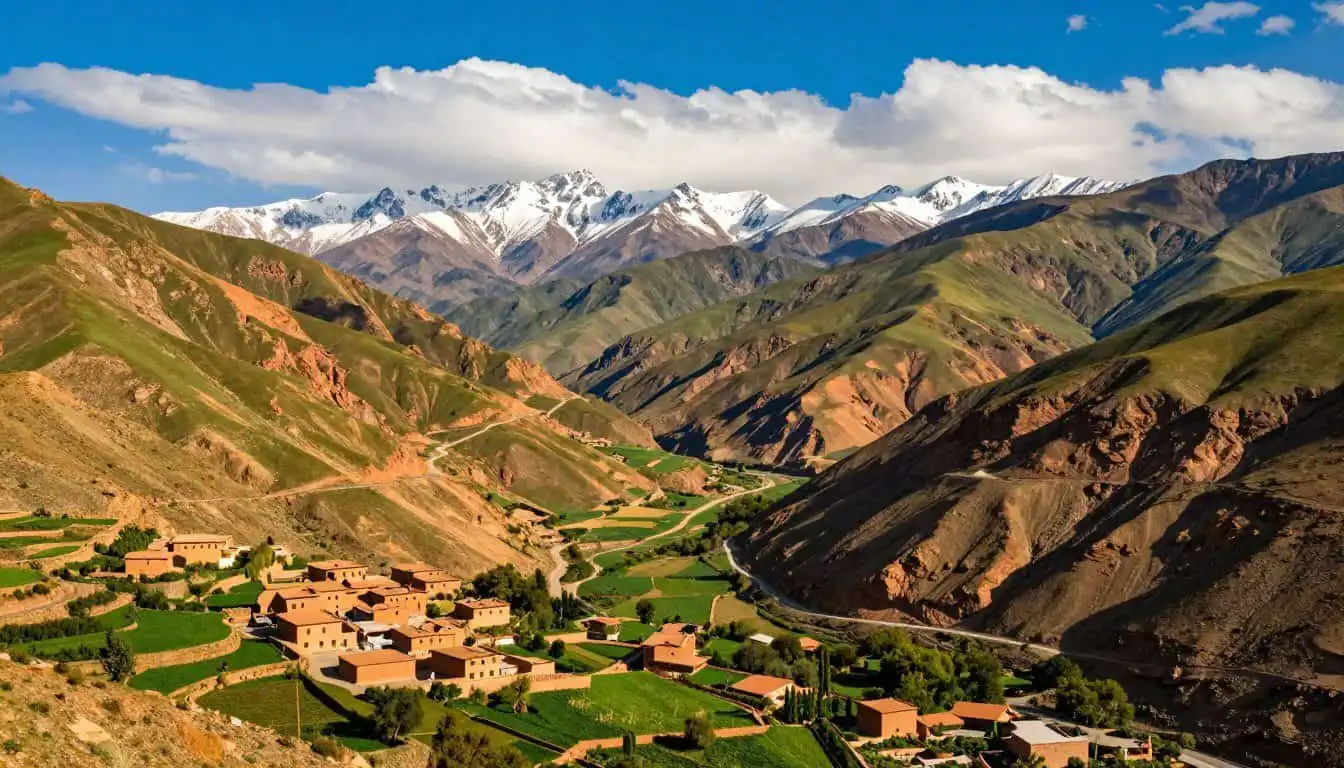

As we start our journey to explore North Africa’s stunning landscapes, we’re drawn to the Atlas Mountains. This range is more than just a natural wonder. It opens a door to a world filled with culture and adventure.
Our trip through the Atlas Mountains will be unforgettable. We’ll see amazing views, visit traditional Berber villages, and dive into the local culture. In this article, we’ll guide you. We’ll share the best places to see, things to do, and tips for a great mountain tourism adventure.
Key Takeaways
- Discover the breathtaking natural beauty of the Atlas Mountains.
- Explore traditional Berber villages and experience local culture.
- Get tips on the best places to visit and things to do.
- Learn how to make the most of your mountain tourism adventure.
- Find out how to plan your trip to the Atlas Mountains.
The Majestic Morocco’s Atlas Mountains: An Overview
Morocco’s Atlas Mountains are a treasure trove of natural beauty. They have unique features that attract travelers. This mountain range is not just a geographical wonder but also a cultural and ecological hotspot.
Geography and Unique Features
The Atlas Mountains have a diverse geography. They include rugged peaks, valleys, and plateaus. The range is home to diverse flora and fauna, some found nowhere else in the world.
The unique features of the Atlas Mountains are shaped by their location. Here, the African plate is being pushed beneath the Eurasian plate. This results in a complex geological structure.
The Three Main Ranges: High, Middle, and Anti-Atlas
The Atlas Mountains are divided into three main ranges: the High Atlas, Middle Atlas, and Anti-Atlas. The High Atlas is the highest and most rugged range. It has peaks like Jbel Toubkal, the highest summit in North Africa.
The Middle Atlas is known for its cedar forests. It is a haven for wildlife. The Anti-Atlas range is characterized by its unique landscape of granite peaks and valleys.
Each of these ranges offers a unique experience for visitors. From trekking and hiking to exploring traditional Berber villages, there’s something for everyone.
Best Time to Visit the Atlas Mountains
Planning your trip to the Atlas Mountains is key. The climate here is different from the rest of Morocco. So, it’s important to visit at the right time.
Seasonal Considerations
The best time to visit depends on what you like and what you plan to do. Spring (March to May) and autumn (September to November) are the best. They have mild weather and fewer people around.
Weather Patterns Throughout the Year
Knowing the weather is important. Winters are cold with lots of snow. Summers are warm. Here’s what you can expect:
| Season | Weather | Activities |
|---|---|---|
| Spring | Mild temperatures, blooming flora | Hiking, trekking, sightseeing |
| Summer | Warm to hot temperatures | Hiking, mountain biking |
| Autumn | Comfortable temperatures, foliage | Trekking, cultural experiences |
| Winter | Cold, snowy conditions | Skiing, snowboarding |
Planning Your Atlas Mountains Adventure
Planning an Atlas Mountains adventure needs careful thought for a great trip. You must consider several important factors to enjoy your journey fully.
Setting Your Itinerary
It’s vital to create an itinerary that fits your interests and fitness level. The Atlas Mountains have trails for everyone, from easy day hikes to tough multi-day treks. Think about what you want to do and plan your trip.
Budgeting for Your Trip
Setting a budget is key when planning your trip. You’ll need to think about transportation, where to stay, food, and guide costs. A good budget helps you stay on track and avoid surprises.
| Expense | Estimated Cost |
|---|---|
| Transportation | $50-$100 |
| Accommodation | $20-$50 per night |
| Food | $10-$20 per meal |
| Guide Services | $30-$50 per day |
Required Permits and Documentation
You might need permits or special documents for your trip. Check the places you plan to visit and what you need. Some areas require guides or have limited access.
Getting to the Atlas Mountains
Getting to the Atlas Mountains is easy, with many ways to travel from big Moroccan cities. You can go from Marrakech, Casablanca, or Rabat to this stunning mountain range. It’s a journey worth taking.
From Major Moroccan Cities
If you’re starting in Marrakech, the Atlas Mountains are close. It’s a perfect spot for your adventure. From Casablanca or Rabat, trains or buses can take you to the Atlas Mountains’ foothills.
From Marrakech, you can rent a car or join a guided tour to the mountains. The trip to Imlil, the nearest town, takes about an hour. Imlil is your entry point to the High Atlas.
Transportation Options and Costs
Here are some common ways to get there and what they cost:
| Transportation Mode | Marrakech to Imlil | Casablanca to Azrou |
|---|---|---|
| Private Car/Taxi | $40-$60 | $80-$120 |
| Bus | $5-$10 | $10-$20 |
| Guided Tour | $60-$100 | $100-$180 |

Think about what you want when planning your trip. Private cars or guided tours are handy if you don’t know the local language or roads. But, buses are cheaper and let you see local culture.
Exploring Different Regions of the Atlas Range
When we explore the Atlas Mountains, we find a variety of unique areas. Each one offers its own special experiences and stunning views. The Atlas range stretches across Morocco, offering many attractions for visitors.
High Atlas Highlights: Toubkal and Imlil
The High Atlas boasts some of North Africa’s most stunning mountain views. Toubkal National Park is a top spot, with Jbel Toubkal, the highest peak. The village of Imlil is a key starting point for hikers and trekkers.
Middle Atlas Attractions: Cedar Forests and Ifrane
The Middle Atlas is known for its green cedar forests and the town of Ifrane. Ifrane is called “Little Switzerland” because of its alpine buildings. Here, you can hike, ski, and see the area’s natural wonders.
Anti-Atlas Discoveries: Tafraoute and Painted Rocks
The Anti-Atlas is famous for its granite peaks and beautiful villages. Tafraoute is a standout, with its Painted Rocks art and great hiking spots.
| Region | Main Attractions | Activities |
|---|---|---|
| High Atlas | Toubkal National Park, Imlil | Hiking, Trekking |
| Middle Atlas | Cedar Forests, Ifrane | Hiking, Skiing |
| Anti-Atlas | Tafraoute, Painted Rocks | Hiking, Exploration |
Where to Stay in the Atlas Mountains
The Atlas Mountains offer a variety of accommodation options for a memorable stay. You can choose from traditional riads to modern lodges. Each option caters to different tastes and needs.
Traditional Riads and Kasbahs
Stay in a traditional riad or kasbah for a true Atlas Mountains experience. These historic homes, beautifully restored, showcase the area’s rich culture. Their unique architecture and peaceful courtyards make for a special stay.
Mountain Lodges and Retreats
Mountain lodges and retreats offer a modern and cozy stay. They boast stunning views and many amenities. These lodges are set in quiet spots, perfect for relaxation.
Camping Options and Wilderness Stays
Camping in the Atlas Mountains is thrilling for the adventurous. There are many campsites and wilderness areas to explore. You can go on a guided tour or enjoy a solo adventure, both offering unique experiences.

Essential Hiking and Trekking Guide
Start an amazing journey through Morocco’s Atlas Mountains with our detailed hiking guide. The Atlas range has trails for everyone, from easy day hikes to tough multi-day treks.
Day Hikes for Beginners
Beginners or those wanting a calm hike can find many day hikes in the Atlas Mountains. The hike to the Setti Fatma waterfalls is a favorite. It goes through green valleys and Berber villages. Another great spot is the Tnine el Gharbiya village, with stunning mountain views.
- Explore the scenic trails of the Ourika Valley
- Visit traditional Berber villages along the way
- Enjoy the picturesque views from the top
Multi-Day Treks for Experienced Hikers
Experienced hikers can tackle the Atlas Mountains’ many multi-day treks. The Toubkal Circuit is a top choice, a 7-day trek to North Africa’s highest peak. The M’Goun Valley trek is another favorite, a 5-day trip through breathtaking landscapes.
- Day 1: Arrival in Imlil and acclimatization
- Day 2-5: Trekking through the M’Goun Valley
- Day 6: Descent to the village of Tarkeddid
Finding and Hiring Local Guides
Getting a local guide is a must for Atlas Mountains treks. They know the local culture and keep you safe. You can find guides through local tour operators or at trailheads. Pick a certified guide who knows the area well.
Choosing a local guide helps the local economy and protects the Atlas Mountains.
Beyond Hiking: Other Atlas Mountains Activities
The Atlas Mountains offer more than just hiking. They have activities for all interests and skill levels. You can explore the beauty and excitement of the Atlas Mountains in many ways.
Photography Hotspots and Tips
The Atlas Mountains are perfect for photographers. They have stunning landscapes, traditional Berber villages, and colorful markets. Key photography hotspots include the beautiful valleys, villages like Imlil, and the tall mountain peaks.
To get the best photos, visit during the golden hour. Also, don’t miss the chance to capture local wildlife and plants.
- Use a polarizing filter to reduce glare and enhance colors
- Capture the changing light during sunrise and sunset
- Engage with local Berber communities to photograph their daily life
Wildlife and Bird Watching Opportunities
The Atlas Mountains are full of wildlife, like the endangered Barbary macaque and Barbary sheep. Birdwatchers can see birds like the Bonelli’s eagle and the Atlas horned lark. For a better wildlife watching experience, join guided tours with local experts.

Mountain Biking and Adventure Sports
For those who love adventure, the Atlas Mountains are great for mountain biking, rock climbing, and more. The rough terrain offers tough trails for bikers, and climbers can tackle the impressive rock formations. Local outfitters and guides can help with equipment and instruction for a safe and fun time.
- Mountain biking trails range from easy to challenging
- Rock climbing opportunities for various skill levels
- Guided tours available for safety and expertise
Experiencing Berber Culture in the Mountains
Exploring the Atlas Mountains reveals the beauty of the landscape and the warmth of the Berber people. Their culture is filled with traditions and customs. It’s shaped by centuries of history and various civilizations.
Traditional Villages to Visit
The Atlas Mountains have many traditional Berber villages. Places like Imlil and Tacheddirt are favorites for trekkers and culture lovers. Visitors can wander the narrow streets, talk to locals, and enjoy the Berber hospitality.
Local Cuisine and Food Experiences
Berber food shows off the culture, with dishes made from local ingredients like olives, almonds, and honey. Dishes like tagine and couscous are must-tries. Enjoying these meals at local homes or cafes is a special experience. It’s about sharing in the Berber community’s spirit.
Cultural Etiquette and Language Tips
Respecting local customs is key when meeting Berber communities. Dressing modestly and learning basic phrases in Berber or Arabic helps a lot. Understanding and respecting local etiquette makes the cultural experience richer and builds meaningful connections.
Essential Packing and Preparation Tips
Before you head out to the Atlas Mountains, let’s cover the basics. This will help make your trip fun and safe. Getting ready is crucial for a great adventure in this stunning area.
Clothing for Variable Weather
The weather in the Atlas Mountains can change quickly. Layering is key because the temperature can drop a lot at night. Wear light, breathable clothes for sunny days and bring warm, waterproof layers for cooler times.
Remember to pack a hat, gloves, and sturdy hiking boots. They will help protect you from the weather.
Gear and Equipment Checklist
The right gear is important for a good time in the Atlas Mountains. Must-haves include a sturdy backpack, a way to purify water, a first-aid kit, and a map or GPS. Also, bring a portable charger for your devices and a lightweight tent if you’re camping.
Health and Safety Essentials
Your health and safety should always come first. Make sure you have any needed vaccinations before you go. Pack a basic first-aid kit.
Stay hydrated with a refillable water bottle. Be ready for emergencies with a first-aid guide. It’s smart to have travel insurance that covers medical evacuations.
Conclusion: Embracing the Timeless Beauty of the Atlas Mountains
As we wrap up our journey through Morocco’s Atlas Mountains, we think about the amazing experiences waiting for travelers. The Atlas Mountains are not just beautiful to look at; they offer a full experience. You’ll see stunning views, learn about the local culture, and feel the warmth of the people.
We’ve explored the High Atlas, Middle Atlas, and Anti-Atlas ranges. Each range has its own special charm and sights. From the snowy peaks of Toubkal to the lively Berber villages, every moment is a reminder of Morocco’s rich tourism scene.
When planning your trip, make sure to dive into the Atlas Mountains fully. You can hike, visit markets, or just enjoy the views. The Atlas Mountains are a key part of Morocco’s tourism, and they shouldn’t be missed.
By exploring the Atlas Mountains, we discover Morocco’s natural wonders and its rich culture. We hope this guide has sparked your interest in visiting the Atlas Mountains. There, you’ll find magic waiting for you.
FAQ
What is the best time to visit the Atlas Mountains?
Spring and autumn are the best times to visit. The weather is mild and pleasant. Summer is hot, and winter is cold with snow, making some areas hard to reach.
Do I need a guide to hike in the Atlas Mountains?
A local guide is not necessary but highly recommended. They know the terrain, weather, and local customs. They also share insights into the region’s history and culture.
What kind of accommodation options are available in the Atlas Mountains?
We offer various accommodations. You can choose from traditional riads and kasbahs to mountain lodges, camping, and wilderness stays. Options range from basic to luxurious, depending on your budget and preferences.
What are the must-visit attractions in the Atlas Mountains?
Visit the High Atlas, especially Toubkal National Park. Don’t miss the villages of Imlil and Aremd. The Middle Atlas has cedar forests and Ifrane. The Anti-Atlas offers stunning landscapes and the Painted Rocks of Tafraoute.
How do I get to the Atlas Mountains from Marrakech?
Take a bus or taxi from Marrakech. Renting a car or hiring a private transfer service is also an option. The trip takes 2-3 hours, depending on your destination and traffic.
What are the essential items to pack for a trip to the Atlas Mountains?
Pack layers for changing weather, sturdy hiking boots, and comfortable clothes. Bring a first-aid kit, sunscreen, a hat, and sunglasses to protect against the sun.
Can I experience the local Berber culture in the Atlas Mountains?
Yes, immerse yourself in Berber culture by visiting villages, trying local food, and attending cultural events. This will help you understand the region’s rich heritage and traditions.
Are there any health and safety concerns when visiting the Atlas Mountains?
Take precautions like staying hydrated, wearing sunscreen, and being aware of altitude sickness. Respect local customs and traditions for a safe and enjoyable trip.