
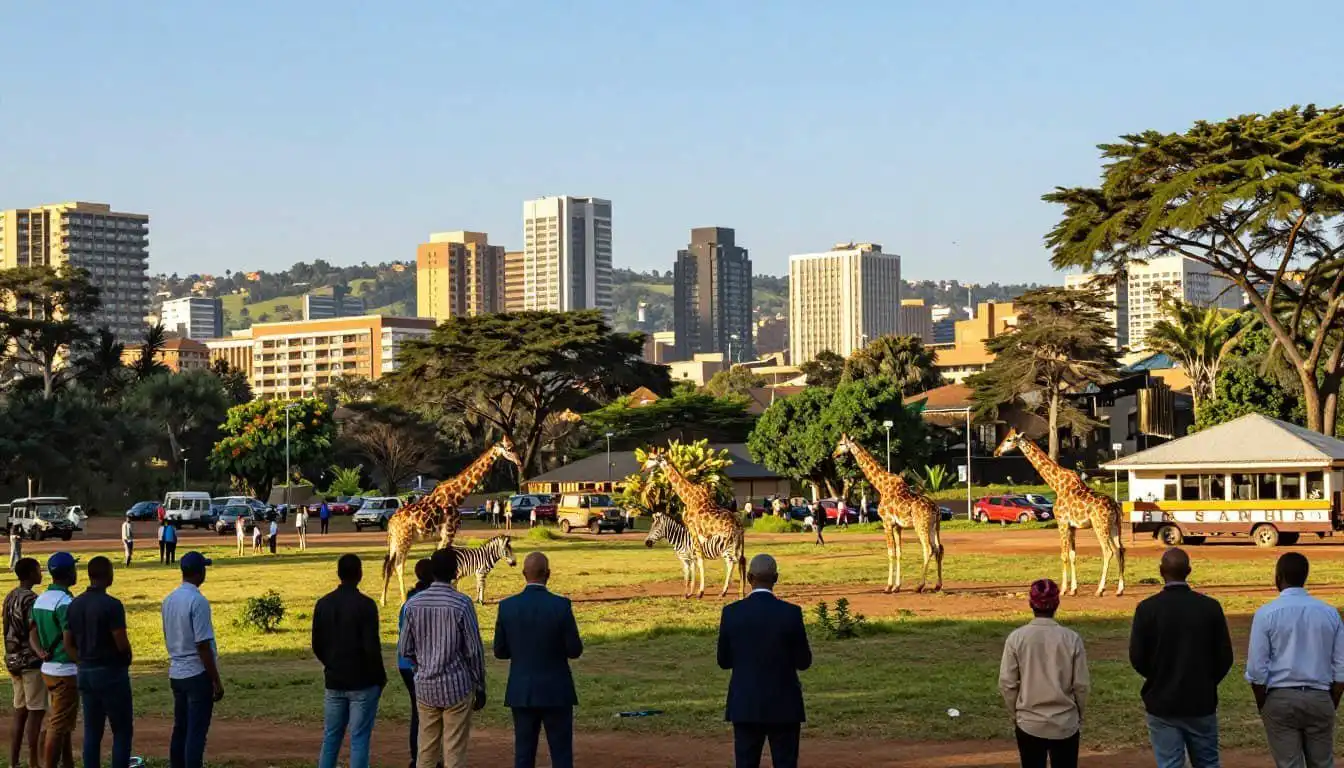

As we explore East Africa’s heart, we find a city that mixes city life with wildlife. Nairobi, Kenya, known as the “Green City in the Sun”, offers an experience you won’t forget.
The city’s unique urban safaris and wildlife corridors are a thrill. Here, the excitement of the wild meets city convenience. Plus, its conservation tech and street food scene make it a hub for ethical East African adventures.
Key Takeaways
- Experience urban safaris and wildlife corridors in the heart of the city.
- Discover the city’s conservation efforts and tech innovations.
- Enjoy the vibrant street food scene.
- Nairobi serves as a gateway to ethical East African adventures.
- The city’s unique blend of urban and wildlife experiences.
Nairobi, Kenya – The “Green City in the Sun”: An Overview
Nairobi, Kenya, is a city that loves its nature as much as its city life. It’s full of urban safaris and wildlife paths, making it a special place for visitors.
The Unique Urban-Wildlife Blend
Nairobi mixes city life with wild nature thanks to its history and natural beauty. Let’s look at its past and present natural spots.
Historical Background of Nairobi
Nairobi started as a railway stop in the early 1900s. It has since become a bustling city. Its history shows in its buildings, culture, and how it blends nature into the city.
Modern City with Natural Wonders
The Nairobi National Park is a highlight. It shows off the area’s wildlife. This park is a special effort to save wildlife in the city.
Best Times to Visit Nairobi
Planning your trip to Nairobi? Think about the best times to go. Look at the seasons and the city’s events.
Seasonal Considerations
Nairobi has a mild climate with two rainy seasons. The best times to visit are during the dry seasons, from June to October and December to March.
Festival and Event Calendar
Nairobi has many festivals and events all year. Cultural and wildlife events are part of the city’s life. Check the event calendar to make your trip better.
Getting Around the City
Nairobi has many ways to get around, making it easy to explore.
Public Transportation Options
The city has a good public transport system. Buses and matatus (minivans) are cheap and easy to use.
Rideshare and Taxi Services
Nairobi also has rideshare and taxi services. They offer comfort and flexibility for those who like them.
Planning Your Trip to Nairobi
As we get ready to explore Nairobi, Kenya’s vibrant culture and natural wonders, planning is key. A well-planned trip means a smooth and enjoyable journey.
Essential Travel Documents
To enter Kenya, we need the right travel documents. This includes a valid passport and, for US citizens, a visa.
Visa Requirements for US Citizens
US citizens can get a visa on arrival or apply for an e-visa before traveling. It’s important to check the latest visa requirements and regulations.
Travel Insurance Recommendations
Travel insurance is highly recommended. It covers unexpected medical or travel-related expenses. Look for policies that include coverage for safari activities.
Health and Safety Preparations
Before traveling to Nairobi, we need to take health and safety precautions seriously.
Recommended Vaccinations
Consulting a healthcare professional about recommended vaccinations, such as yellow fever, is a must.
Safety Tips for Tourists
Being aware of our surroundings and keeping valuables secure are essential safety tips for tourists in Nairobi.
Packing Tips for Nairobi’s Climate
Nairobi’s climate is generally mild, but we should still pack accordingly.
Clothing Essentials
Comfortable, layered clothing and sturdy shoes are must-haves for exploring the city and going on safaris.
Tech and Safari Gear
Don’t forget to pack essential tech gear, such as a camera and binoculars, for the best safari experience.
Where to Stay in Nairobi
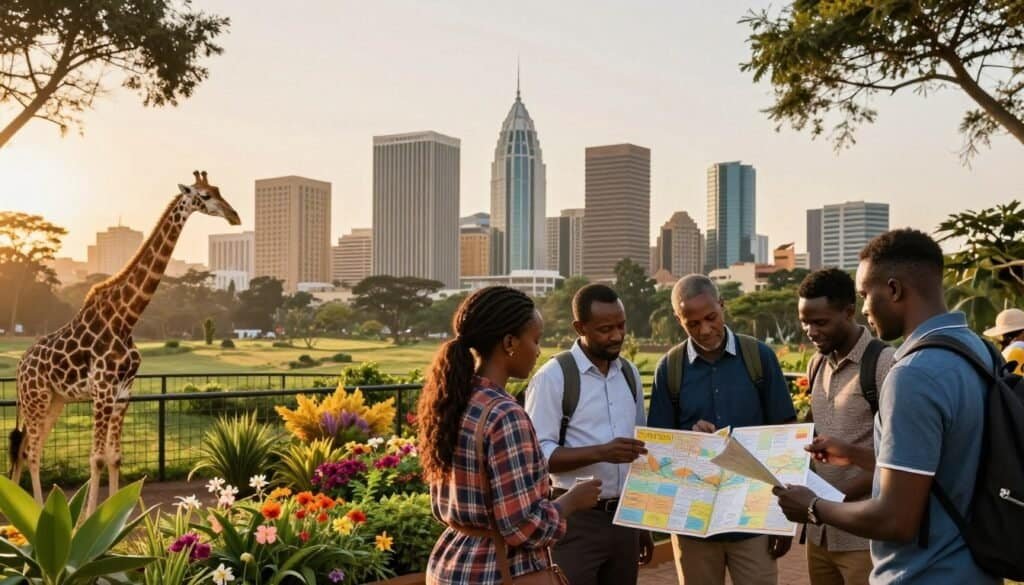
Nairobi, known as the ‘Green City in the Sun,’ has a wide range of accommodations for all. Whether you want luxury, mid-range comfort, or something budget-friendly, Nairobi has it all.
Luxury Accommodations
Looking for luxury? Nairobi has safari lodges and eco-resorts that mix comfort with wilderness adventure.
Mid-Range Options
For those on a moderate budget, consider boutique hotels in safe neighborhoods or serviced apartments.
Budget-Friendly Stays
On a tight budget? Hostels and guesthouses are affordable. Or try home-sharing platforms for a local feel.
| Accommodation Type | Features | Price Range |
|---|---|---|
| Luxury Hotels | High-end amenities, wildlife views | $200-$500 per night |
| Mid-Range Hotels | Comfortable stay, safe neighborhoods | $100-$200 per night |
| Budget-Friendly | Basic amenities, local experience | $20-$100 per night |
When picking your place to stay in Nairobi, think about location, safety, and what you need. This will help you have a great and comfortable visit.
Experiencing Urban Safaris in Nairobi
Nairobi offers a unique urban safari experience. It blends the wild with the city’s vibrant atmosphere. We can explore the city’s wildlife without leaving its boundaries, thanks to the Nairobi National Park.
Nairobi National Park: Safari in the City
The Nairobi National Park is a prime example of urban conservation. Here, the savannah meets the skyline. Entry fees and operating hours are well-structured to accommodate both early risers and those who prefer a later start.
Entry Fees and Operating Hours
The park operates from 6:00 AM to 6:00 PM. Entry fees vary for residents and non-residents. We can check the latest fees on the official Kenya Wildlife Service website.
| Category | Entry Fee (USD) | Operating Hours |
|---|---|---|
| Non-Residents | 43 | 6:00 AM – 6:00 PM |
| Residents | 20 | |
| Children (3-12 years) | 10 | 6:00 AM – 6:00 PM |
Best Routes for Wildlife Spotting
For the best wildlife spotting, we recommend the King’s Pool route and the Embakasi route. These routes offer a high chance of spotting lions, rhinos, and various bird species.
Guided Tour Options
We can choose between guided tours and self-drive experiences. Selecting ethical tour operators is crucial for a responsible safari experience.
Wildlife Photography Tips
For wildlife photography, we should consider the right camera equipment and ethical photography practices. This way, we can capture the beauty of Nairobi’s wildlife without disturbing it.
Camera Equipment Recommendations
A DSLR camera with a telephoto lens (at least 200mm) is ideal. It allows us to capture wildlife without intruding on their space.
Ethical Photography Practices
We must respect wildlife by keeping a safe distance and not using flash. This approach ensures a safe and enjoyable experience for both us and the wildlife.
Exploring Nairobi’s Wildlife Corridors
Nairobi’s wildlife corridors are full of natural wonders and conservation efforts. Places like the Ngong Road Forest Sanctuary and Karura Forest Reserve are key for biodiversity. They also let people enjoy outdoor activities.
The Ngong Road Forest Sanctuary
The Ngong Road Forest Sanctuary is a great place to get away from city life. It has hiking trails and birdwatching spots for nature lovers.
Hiking Trails and Birdwatching Spots
Its trails show off the area’s natural beauty. Birdwatching spots are perfect for seeing many bird species.
Conservation Efforts and Volunteer Opportunities
The sanctuary works hard on conservation efforts. It offers chances for volunteers to help protect wildlife and ecosystems.
Karura Forest Reserve
Karura Forest Reserve also has lots to do. It has cycling and walking routes for exploring the forest at your own pace.
Cycling and Walking Routes
These routes highlight the forest’s beauty. They cater to all fitness levels.
Waterfall and Cave Explorations
The reserve has waterfalls and caves for adventure and exploration.
Wildlife Viewing Etiquette
It’s important to follow wildlife viewing etiquette in these corridors. This means respecting animals and their homes, and practicing sustainable tourism.
Respecting Animal Habitats
Keep a safe distance from wildlife and don’t litter or harm the environment.
Sustainable Tourism Practices
By choosing sustainable tourism, visitors help these areas thrive for future generations.
Conservation Technology in Action
Conservation technology is changing how Nairobi protects wildlife. It brings new hope for endangered species. This technology makes protection more effective and offers visitors a special experience.
Visiting the Kenya Wildlife Service Technology Hub
The Kenya Wildlife Service Technology Hub shows Nairobi’s dedication to new conservation methods. Visitors can see the latest technology used to protect wildlife.
Tracking and Anti-Poaching Technologies
The Hub features advanced tracking and anti-poaching tools. These include GPS tracking devices and surveillance drones. They help keep an eye on wildlife and stop poaching.
Educational Tours and Demonstrations
Visitors can join educational tours and demonstrations at the Hub. They learn about the newest conservation technologies and how they work. This hands-on learning inspires people to take action.

Conservation Apps to Download
Conservation fans can also help by downloading special apps. These apps help with wildlife identification and joining citizen science projects.
Wildlife Identification Tools
The Wildlife Identification Tool app lets users identify different species. This helps us understand Nairobi’s wildlife better.
Citizen Science Participation Platforms
Apps for citizen science participation let people help with conservation. They can report wildlife sightings or join research projects.
Supporting Tech-Driven Conservation Efforts
Helping with tech-driven conservation is key for Nairobi’s wildlife protection. Visitors can help by donating or practicing responsible tourism.
Donation Opportunities
Donating to conservation groups directly supports tech-driven efforts. These funds help buy new technology and fund projects.
Responsible Tourism Certifications
Choosing tours with responsible tourism certifications helps too. It ensures tourism supports conservation and respects local areas.
Navigating Nairobi’s Street Food Scene
The flavors of Nairobi’s street food show the city’s lively culture. We’ll find out about Kenyan dishes, street food markets, and food safety tips.
Must-Try Kenyan Dishes
Kenyan food mixes flavors in exciting ways. You should try Nyama Choma (grilled meat) and Ugali with Sukuma Wiki (stir-fried greens).
Nyama Choma (Grilled Meat)
Nyama Choma means “roasted meat” in Kenyan. It’s made from goat or beef, marinated and grilled. It comes with veggies and flatbread.
Ugali, Sukuma Wiki, and Other Local Staples
Ugali is a cornmeal dish in Kenyan food. It’s often with Sukuma Wiki, a mix of greens, onions, and tomatoes. Other favorites include matooke (green bananas) and chapati (flatbread).
Top Street Food Markets
Nairobi’s street food markets are great for trying local food. Check out the Maasai Market food stalls and the Diamond Plaza food court.
Maasai Market Food Stalls
The Maasai Market is lively, with local artisans and food. You can try Nyama Choma, fruits, and veggies.
Diamond Plaza Food Court
The Diamond Plaza food court offers local and international food. It’s clean and safe.
Food Safety Tips
To enjoy street food safely, follow these tips.
Water and Produce Precautions
Be careful with water and produce. Use bottled or filtered water. Choose vendors who handle produce safely.
Identifying Clean and Safe Vendors
Find vendors with clean stalls. They should handle food well and cook it right.
Cultural Experiences in Nairobi
In Nairobi, cultural experiences are vibrant. You can explore museums, performances, and artisan markets. This city offers a deep dive into its rich heritage and modern culture.
Museums and Cultural Centers
Nairobi has many museums and cultural centers. They give insights into Kenya’s history and culture. Two key places are:
Nairobi National Museum
The Nairobi National Museum is a top spot. It shows Kenya’s history and culture. You can learn about ethnography, archaeology, and natural history here.
Bomas of Kenya Cultural Center
The Bomas of Kenya Cultural Center is another must-see. It showcases traditional Kenyan music, dance, and crafts. It’s perfect for experiencing Kenya’s cultural diversity.
Traditional Performances
Nairobi offers traditional performances that are both fun and educational. You can enjoy:
Maasai Dance Shows
The Maasai dance shows are a highlight. They feature traditional Maasai culture with energetic dances and colorful costumes.
Contemporary Kenyan Music Venues
For modern Kenyan music, visit contemporary music venues. They feature local artists and a variety of genres.
Artisan Markets and Souvenirs
Nairobi has many artisan markets for shopping. Here, you can find unique, locally made products. As
“Shopping ethically is not just about the products we buy, but about the positive impact we have on the communities we visit.”
It’s important to adopt:
Ethical Shopping Practices
Choosing ethical shopping practices supports local artisans. It also helps the local economy.
Supporting Local Artisans
Supporting local artisans preserves traditional crafts. It also ensures our shopping benefits the community.

Using Nairobi as a Gateway to East Africa
Nairobi is perfectly placed for exploring East Africa. It’s a great starting point for those wanting to see different landscapes and cultures.
Planning Multi-Destination Itineraries
Nairobi connects easily to other East African countries. This makes planning your trip smooth. Think about the travel options available.
Transportation Connections to Other Countries
You can travel by air, road, or rail from Nairobi. It depends on where you’re going and what you prefer.
Border Crossing Information
Traveling across borders needs the right documents and knowledge. Make sure you have the visas and know the customs rules.
Ethical Safari Extensions
Nairobi is a gateway to top national parks and conservation areas. It’s perfect for extending your safari.
Maasai Mara and Amboseli National Park
Maasai Mara and Amboseli National Park are must-sees. They offer amazing wildlife views and the chance to see the Great Migration.
Community-Based Tourism Options
Community-based tourism supports local economies and lets you experience real cultures.
Responsible Travel Resources
For a responsible trip, use local tour operators. They focus on conservation and ethical practices.
Local Tour Operators with Ethical Practices
Pick tour operators that care about the environment and communities. It makes your trip better and helps the local economy.
Conservation-Focused Experiences
Join tours that help protect wildlife and habitats. It’s a great way to help the environment while traveling.
| Destination | Transportation | Best Time to Visit |
|---|---|---|
| Maasai Mara | Fly from Nairobi | July to October |
| Amboseli National Park | Drive from Nairobi | June to September |
| Community-Based Tourism | Varies | Year-round |
Conclusion: Your Gateway to Ethical East African Adventures
Nairobi, Kenya, is known as the “Green City in the Sun.” It’s a lively spot for urban safaris and wildlife conservation. The city’s mix of city life and wildlife makes it great for adventures that care about the environment.
Traveling responsibly and supporting local conservation helps protect the area’s beauty. Nairobi is also known for its new tech in conservation and delicious street food. These things make it a top choice for eco-friendly adventures in East Africa.
When you’re planning a trip to Nairobi and more, think about sustainable tourism. Nairobi offers urban safaris, wildlife paths, and a strong focus on saving nature. It’s the best place to start your next big adventure.
FAQ
What is the best time to visit Nairobi, Kenya?
The best times to visit Nairobi are from June to October or December to March. The weather is mild and perfect for outdoor fun and seeing wildlife.
Do I need a visa to enter Kenya?
Yes, US citizens need a visa to enter Kenya. You can get one on arrival or apply online before your trip. It’s easy to plan your visit.
What vaccinations are required for travel to Nairobi?
Talk to your doctor or a travel clinic about needed vaccinations. You might need yellow fever, hepatitis A, and typhoid shots. This keeps you safe and healthy.
How do I get around Nairobi?
Use reputable taxis, ride-hailing apps, or rent a car with a driver. Public transport can be unreliable.
What are some must-try Kenyan dishes?
Try nyama choma, ugali, and sukuma wiki in Nairobi. These dishes are local favorites and show off the city’s food scene.
Can I participate in conservation efforts in Nairobi?
Yes, Nairobi has many ways to help with conservation. Visit the Kenya Wildlife Service Technology Hub, support local projects, and join citizen science efforts.
What are some popular cultural experiences in Nairobi?
Nairobi’s culture is rich and diverse. Visit the Nairobi National Museum, Bomas of Kenya, and watch Maasai dance. These experiences give you a deep understanding of the city’s heritage.
How can I plan a multi-destination itinerary from Nairobi?
Research transport to other East African countries like Tanzania and Uganda. Look into guided tours or local operators to plan your trip.
What are some responsible tourism practices I can adopt in Nairobi?
Support local businesses, respect wildlife, and choose eco-friendly places to stay. These actions help sustainable tourism and reduce environmental impact.
Are there any safety concerns I should be aware of in Nairobi?
Be cautious to stay safe in Nairobi. Know your surroundings, keep valuables safe, and avoid solo night travel. These steps help avoid risks.