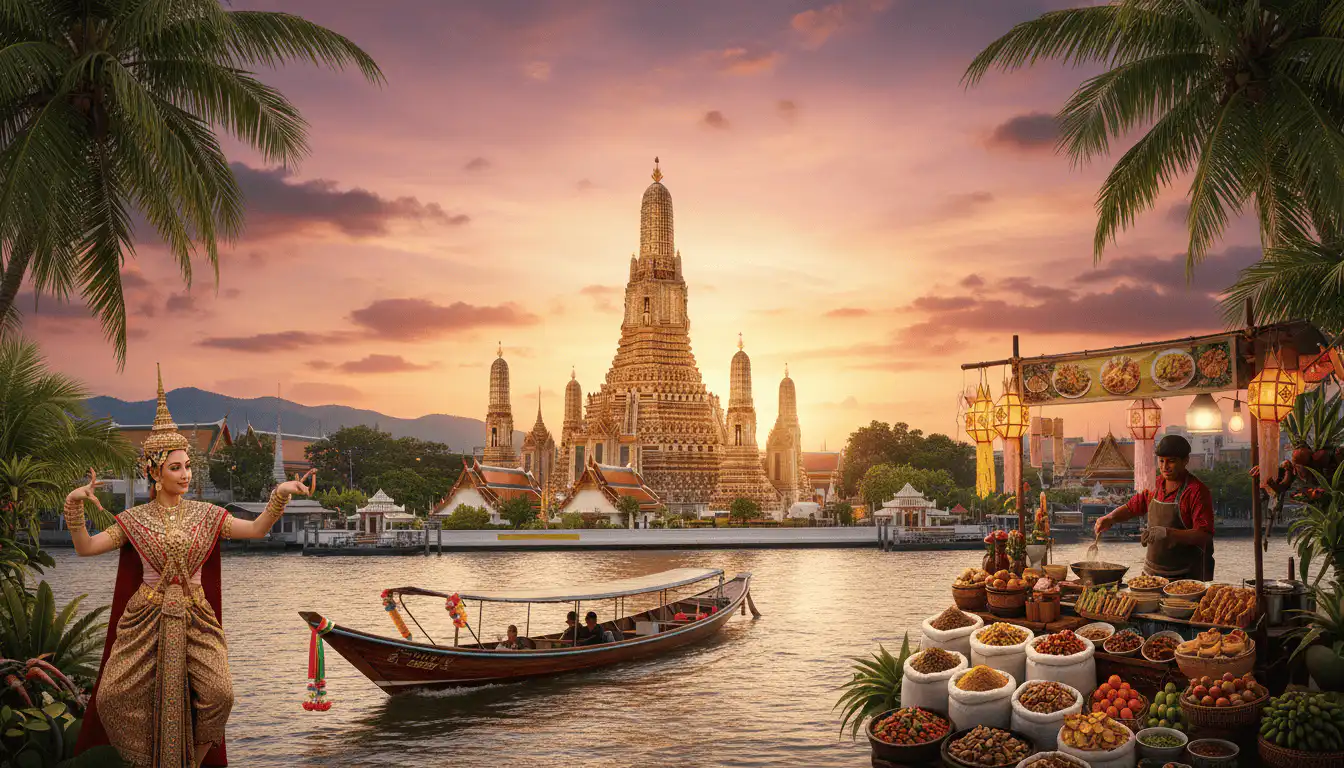

Thailand Tourism draws visitors from around the world with vibrant culture, centuries of history, and landscapes that range from mountain highlands to pristine beaches. This Southeast Asian country blends ancient tradition with modern comforts, making it a compelling destination for families, solo travelers, and business visitors alike. In this guide you’ll find practical travel information — best times to visit, essential visa and arrival tips, top places to see, and quick cultural notes to help you connect with local people and respect customs.
Geography and Natural Wonders
Thailand, located in the center of mainland Southeast Asia, offers dramatic geographic variety that makes it a top travel destination year-round. The country borders Myanmar to the northwest, Laos to the northeast, Cambodia to the southeast, and Malaysia to the south, and it has long coastlines on both the Andaman Sea (west) and the Gulf of Thailand (east). Covering about 513,120 square kilometers, Thailand’s landscapes shift from highland forests in the north to the fertile central plains and the warm, sandy beaches of the south.
North: cooler highlands and national parks. The northern region is dominated by rugged highlands of the Shan-Thai uplands rather than the Himalayas; here you’ll find Doi Inthanon — Thailand’s highest peak at 2,565 meters — plus cloud forests, hill-tribe villages, and national parks around Chiang Mai and Chiang Rai. The cooler temperatures and misty views make this region an excellent time-of-year escape from the lowland heat; plan to visit in the dry season (November–February) for the clearest views and trekking conditions.
Central plains: the rice bowl and urban hubs. The central plains are Thailand’s agricultural heart, with sweeping rice paddies and canal networks around cities such as Bangkok, which blends historic temples with modern streets and bustling markets. This region is where much of the country’s food is grown and processed — an easy place to sample regional specialties and street-food scenes. Typical travel times between Bangkok and northern cities are about 1–1.5 hours by air (Bangkok–Chiang Mai) or 8–12 hours by day/night train or bus if you prefer slower travel.
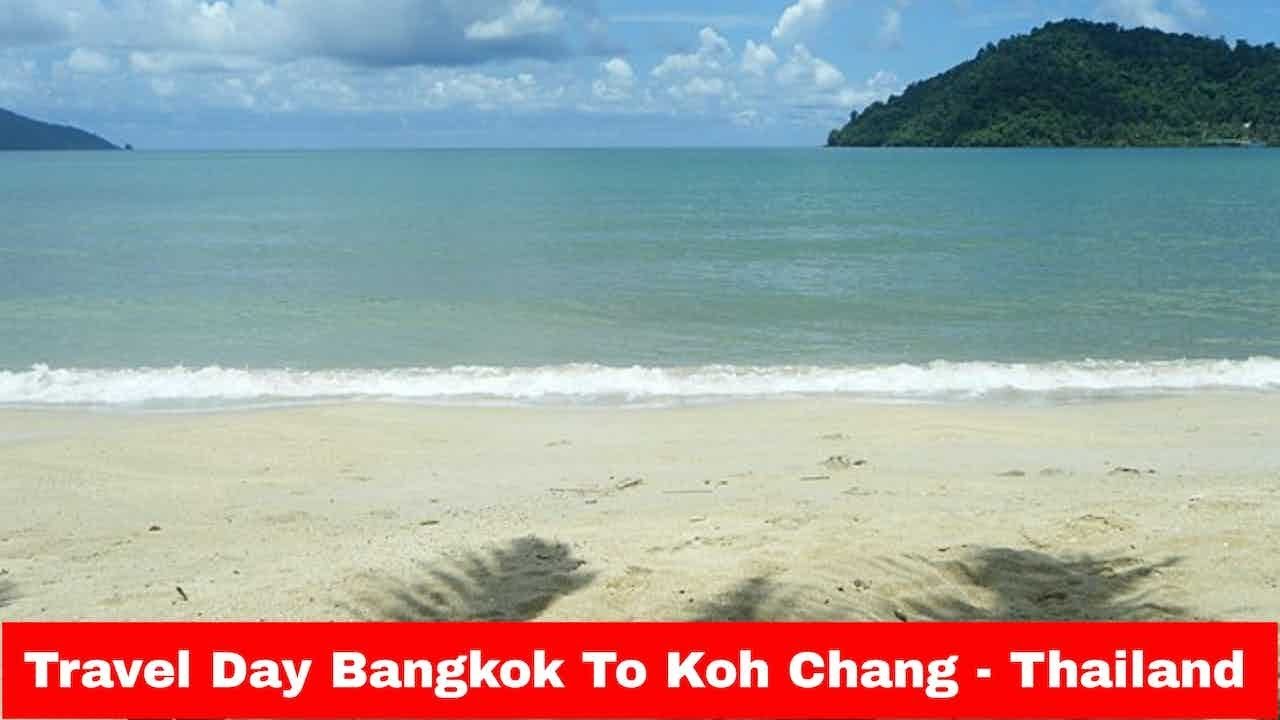
South: beaches, islands, and marine life. Moving south, the landscape opens into island-dotted coastlines and world-famous beaches. Phuket and Koh Samui are major hubs with international airports, while smaller islands such as Koh Phi Phi (often called Phi Phi) offer postcard views, snorkeling, and lively night scenes. The water around these islands ranges from emerald shallows to deep-blue diving sites—perfect for water sports like snorkeling, diving, and kayaking. Peak beach season varies by coast: the Andaman (Phuket, Phi Phi) is best from November to April, while the Gulf coast (Koh Samui) has its calmest waters roughly from January to September.
What travelers should expect and practical tips. Expect varied beach experiences — some islands host large numbers of tourists and vibrant nightlife, while others prioritize quiet and conservation. If you plan a multi-area trip, allow extra days (2–4 per island, 2–3 for major cities) for transfers and relaxation. Major arrival points include Suvarnabhumi (Bangkok), Phuket International, and Samui Airport; internal flights and ferries make island-hopping straightforward but check schedules in advance, especially during the shoulder seasons. Night markets are great for food and shopping, while daytime offers temple visits and viewpoints with panoramic views at sunrise or sunset.
Conservation and local rules. Thailand’s ecosystems include coral reefs, mangroves, and rainforests that are vulnerable to overuse. Respect marine-protection rules—avoid touching coral, use reef-safe sunscreen, and follow local guidance on seasonal closures or protected areas. Many islands now balance tourism and conservation through eco-friendly resorts and community-led projects; consider choosing operators that invest in reef restoration and responsible water-sport practices.
Historical Overview
Thailand’s history is a layered story of early city-states, powerful kingdoms, and gradual modernization that together shaped the country’s culture and identity. Archaeological and historic centers such as Dvaravati and Srivijaya (circa 6th–13th centuries) set important regional trade and cultural patterns that later kingdoms built on, creating a resilient cultural foundation still visible today in art, religion, and language.
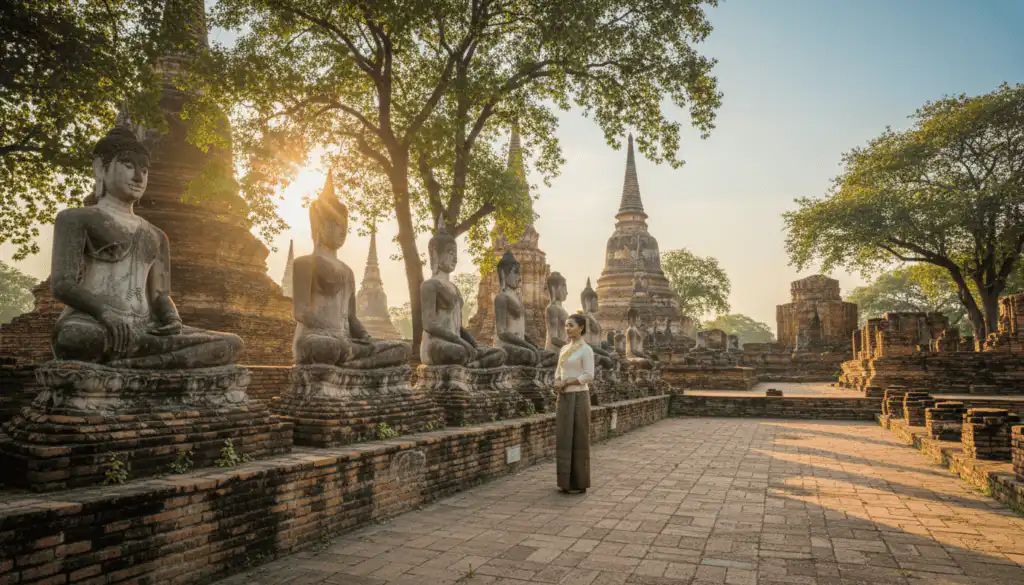
Sukhothai and Ayutthaya: formative kingdoms. Sukhothai emerged in the 13th century and is often celebrated as an early Thai polity that promoted Theravada Buddhism and the development of the Thai script; its monuments and sculptures remain key cultural touchstones. The Ayutthaya Kingdom (roughly 14th–18th centuries) became a major regional power and trading hub, engaging with foreign merchants and diplomats and leaving behind vast temple ruins. The fall of Ayutthaya to Burmese forces in 1767 marked a dramatic turning point in regional history and paved the way for the later Thonburi and Rattanakosin eras.
Modern transitions and the 20th century. Thailand avoided full colonial rule and undertook significant political changes in the early 20th century: the 1932 transition ended absolute monarchy and established a constitutional framework that has since evolved through several constitutional revisions. These shifts influenced governance, education, and Thailand’s international relations while cultural traditions — temple ceremonies, festivals, and community life — continued to shape daily life.
Why history matters for travelers. Historic sites are among Thailand’s most visited attractions: Ayutthaya Historical Park and Sukhothai Historical Park (both UNESCO World Heritage Sites) offer striking ruins and museum displays that illustrate the country’s past. Allow at least a full day to see Ayutthaya from Bangkok (about 1–1.5 hours by car or train) and one to two days for Sukhothai to explore temples and learn the context behind the sculptures and inscriptions. Chiang Mai’s temples and historic quarters similarly give a sense of northern cultural developments and are ideal for travelers who want a slower cultural immersion, including food markets and craft villages.
Connections to modern culture. Many contemporary Thai festivals, arts, and social customs trace directly to these historical layers: temple architecture, classical dance, and religious holidays reflect centuries of continuity. For visitors, understanding a little history enhances appreciation at sites and markets and makes encounters with local people more meaningful—whether you’re sampling regional food, attending a temple ceremony, or watching a traditional performance.
Cultural Heritage
Thailand’s culture is lived everywhere — in temple courtyards, bustling markets, family kitchens, and festival streets — and is shaped strongly by Theravada Buddhism, local customs, and regional traditions. Wats (temples) are community hubs where people gather for prayer, festivals, and merit-making; their ornate architecture, gilded Buddhas, and ritual rhythms give immediate insight into Thai values of respect, humility, and social harmony.
Festivals and seasonal life. Seasonal festivals bring neighborhoods to life. Songkran, the Thai New Year in April, is the country’s most famous water festival — a joyful time of cleansing, family reunions, and public celebrations where locals and visitors join water-throwing traditions and merit-making ceremonies. Loy Krathong (usually in November) lights rivers with floating offerings and creates memorable night views across many cities and towns. These events are great moments to experience culture up close, but check exact dates each year and follow local etiquette.
Art, performance, and craft traditions. Thai arts span classical dance and theater to handicrafts and temple murals. Traditional khon masked dances and classical puppetry tell epic tales, while regional crafts — from northern handwoven textiles to southern boat-building and lacquerware — reflect local materials and history. Visiting craft villages around Chiang Mai or Bangkok’s artisan markets is a top way to see these skills in action and buy authentic souvenirs.
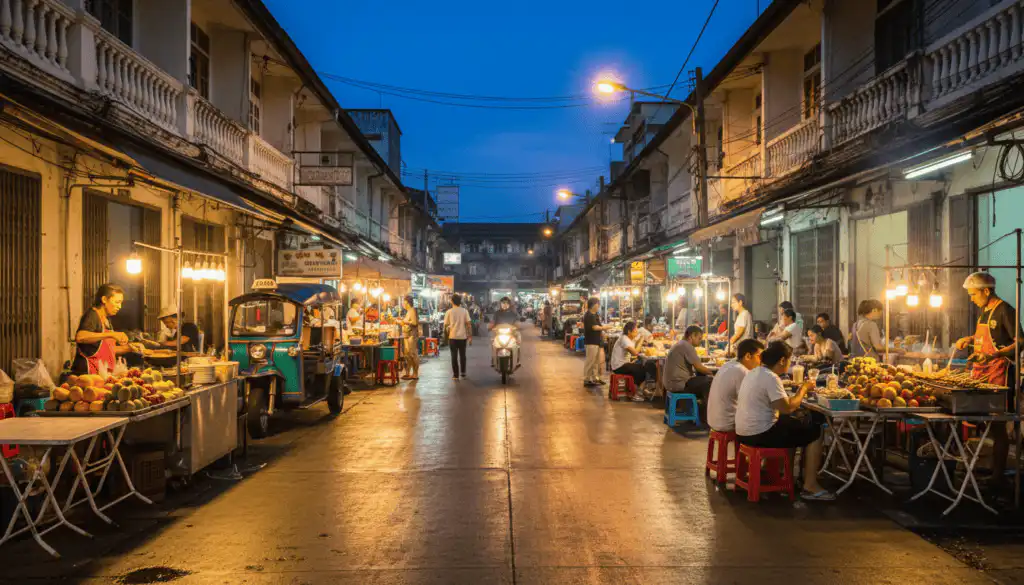
Food and markets: the sensory heart of culture. Thai cuisine is central to social life: meals are often shared, balancing sweet, sour, salty, and spicy flavors. Street food stalls, night markets, and family-run restaurants serve everything from Pad Thai and Tom Yum Goong to regional specialties like khao soi in the north. Night markets are lively spots for shopping and sampling food—try small plates from several vendors to capture the range of flavors, and follow basic food-safety tips: eat at busy stalls where turnover is high and carry hand sanitizer.
Practical etiquette and tips for visitors. Respectful behavior at wats and in communities helps you enjoy culture responsibly: dress modestly at temples (shoulders and knees covered), remove shoes before entering prayer halls, and avoid pointing your feet at Buddha images or people. When interacting with people, a small wai (pressing palms together) is appreciated in many settings. Plan 2–3 days in cultural centers like Chiang Mai to visit markets, temples, and workshops at a relaxed pace and allow time for local meals and performances.
Cultural itineraries and calls to action. For a quick cultural immersion, consider a 3-day Chiang Mai loop (temples, food markets, craft villages) or a 2-day Bangkok temple-and-market circuit that includes the Grand Palace, Wat Pho, and a riverside market. If you’re visiting during Songkran or Loy Krathong, book accommodations early. These experiences make it easier to connect with local people, taste regional food, and take home meaningful souvenirs while respecting the traditions that make Thailand unique.
Tourism in Thailand
Thailand tourism is a cornerstone of the national economy and one of the main reasons visitors from around the world choose this destination. Before the pandemic, international arrivals peaked—most sources cite roughly 39–40 million visitors in 2019—and tourism contributed a significant share of GDP through hotel stays, dining, attractions, and related services. Iconic destinations such as Bangkok, Phuket, Chiang Mai, and the islands of Koh Samui and Koh Phi Phi remain magnets for tourists seeking culture, beaches, and vibrant city life; Bangkok alone draws millions of city-break visitors each year.
Top destinations and how many days to spend. Popular tourist spots vary by interest: plan roughly 3 days in Bangkok to see major sites and markets; 2–3 days in Chiang Mai for temples, night markets, and nearby day trips; and 3–5 days for beach islands like Phuket, Koh Samui, or Phi Phi to relax, dive, and enjoy water-based activities. For a balanced trip, a 10-day itinerary might include Bangkok (3 days) → Chiang Mai (2–3 days) → Phuket or Koh Samui (4 days) for beaches and water sports.
Visa, arrival, and airports. Entry requirements depend on nationality—many travelers can visit visa-free for short stays, while others require a visa in advance or on arrival. Key arrival hubs are Suvarnabhumi (BKK) and Don Mueang (DMK) in Bangkok, Phuket International (HKT), and Samui Airport (USM). On arrival, expect standard immigration checks, an arrival card, and occasional health-screening measures; always check the latest visa and entry guidance before booking.
Seasons, best time to visit, and regional differences. Thailand’s climate varies regionally: the north and central plains are best visited in the cool, dry season (November–February), while beach seasons differ by coast. The Andaman coast (Phuket, Phi Phi) is typically best from November to April; the Gulf coast (Koh Samui and neighboring islands) often has calmer seas January through September. Shoulder seasons can offer lower prices and fewer crowds but check ferry and flight schedules as services may be reduced.
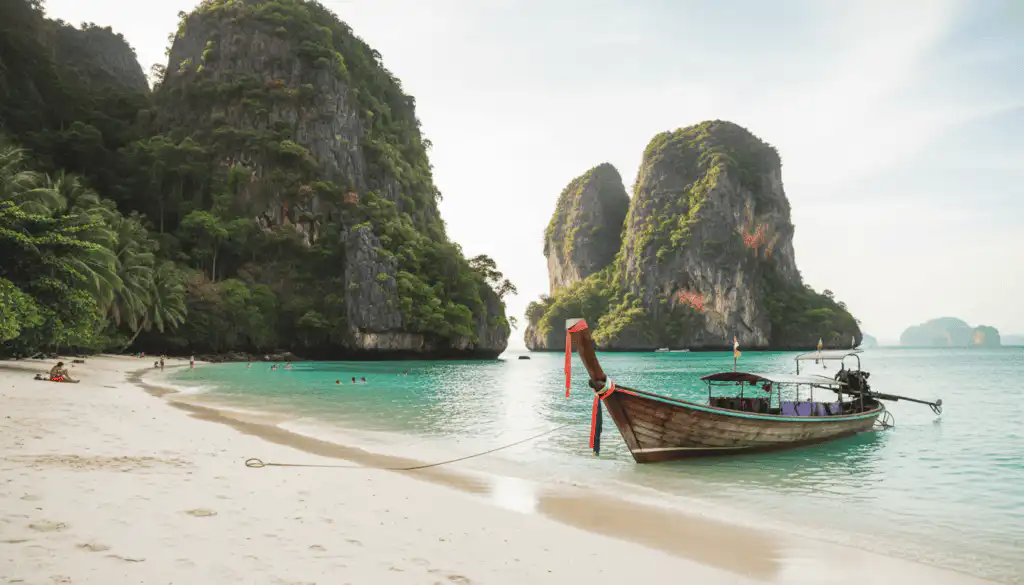
Beaches, water activities, and safety. Thailand’s beaches suit both relaxation and active travel: snorkeling, diving, kayaking, and stand-up paddleboarding are widely available, with clear water and established dive sites around Phi Phi and the Similan Islands. Choose reputable operators for diving and water sports, follow safety briefings, and use reef-safe sunscreen to protect marine life. If you plan multiple island visits, book ferries and flights in advance during peak season.
Nightlife, food, and family travel. Night scenes range from vibrant rooftop bars and busy night markets in Bangkok to quieter seaside bars on smaller islands. Thai food is a highlight everywhere—street food stalls, night markets, and family-run restaurants serve regional specialties (try northern khao soi in Chiang Mai and fresh seafood on the islands). Thailand welcomes family travel: many resorts offer family rooms and activities, but for quieter family beach time consider less-crowded islands or off-peak visits.
Sustainable tourism and post-pandemic trends. The COVID-19 pandemic caused a dramatic dip in visitor numbers and revenue, prompting a pivot toward sustainable and wellness-focused tourism. Authorities and local operators have emphasized eco-tourism, responsible beach management, and community-based tourism to rebuild resilient, long-term growth. Travelers can support sustainability by choosing eco-certified hotels, joining community tours, and respecting local conservation rules.
Practical tips and a short checklist. Book high-season travel and accommodations early; carry photocopies of your visa/ID; keep small bills and a card for larger payments; and confirm airport transfer details in advance. Typical packing notes: reef-safe sunscreen, light layers for nights in the north, and comfortable footwear for markets and temple visits. Finally, consider travel insurance—especially if you plan water sports or island-hopping.
Suggested next steps: if you’re ready to plan a trip, start by checking visa rules for your nationality, pick dates around the best regional season for your interests, and draft a 7–10 day itinerary that balances cities, cultural sites, and beach relaxation.
Economic Landscape
Thailand’s economy combines traditional strengths with modern industry, creating an export-driven model that connects the country to global markets. Broadly, three sectors dominate: agriculture, manufacturing, and services. Agriculture remains important—Thailand is one of the world’s leading exporters of rice and natural rubber—while manufacturing (notably automotive, electronics, and textiles) and the services sector (led by tourism and hospitality) drive industrial diversification and urban employment across regions.
What “export-driven” means for the country and travelers. An export-driven economy focuses on producing goods and services for international markets; that means Thailand’s manufacturing hubs and ports are busy and well-connected, and changes in global demand can affect prices, jobs, and the exchange rate. For travelers, that can influence daily costs (food, transport, shopping) and the availability of local products—so keep an eye on exchange rates, carry both cash and a card, and have a backup card or small local currency for buses, markets, and small shops.
Key sectors and practical notes. Agriculture still supports rural areas and food supply chains—the country’s rice paddies and fruit farms shape local markets and cuisine. Manufacturing centers around Bangkok, the eastern seaboard, and Chiang Mai’s industrial zones; the automotive sector has earned Thailand a reputation as a major production base in Asia, attracting foreign investment and higher-skilled jobs. The services sector, especially tourism, hospitality, restaurants, and retail, creates seasonal employment and drives spending in urban and coastal areas.
Regional differences and local economies. Thailand’s economic activity varies by region: Bangkok and its surrounding provinces offer higher levels of services, corporate offices, and international shops, while northern areas focus more on agriculture, crafts, and cultural tourism. Coastal provinces with popular beaches rely heavily on tourism income and seasonal work—this means some areas experience high economic activity during peak travel months and quieter periods in the low season. Markets and night markets are important local hubs for food and shopping and support many small entrepreneurs.
Travel-related financial tips. Most urban businesses accept credit cards, but many smaller vendors, street-food stalls, and island shops are cash-only—carry small bills and keep a payment card for larger purchases or hotel bills. ATMs are common in cities and airports, but rural areas and some islands may have limited cash access; using multiple banks or carrying a small emergency cache helps. If you plan to use public transport extensively, budget for buses and local fares and check whether tourist cards or passes are available for intercity travel.
Business travel and etiquette. For business visitors, Thailand offers modern conference facilities and well-served airports (Suvarnabhumi and Don Mueang in Bangkok, plus regional airports). Bring a business card (printed in English) and be aware of polite business customs—respect for hierarchy, modest dress, and punctuality for formal meetings are appreciated. If you need local banking or card services, most banks have English-speaking staff in major cities.
Outlook and resilience. Thailand’s place in ASEAN and participation in regional trade agreements like RCEP help integrate its industries with neighboring markets and offer resilience amid global shocks. Continued investment in infrastructure, tourism-quality improvements, and sustainable practices will shape future growth. For travelers and residents alike, that means evolving services, new travel options, and continued opportunities to experience a country where traditional livelihoods and modern industry coexist.
The Future of Thailand
Thailand’s next chapters will be written where politics, technology, and sustainability meet—each shaping how the country develops as a regional hub and travel destination. Stable governance and clear investment policies can help attract long-term foreign direct investment, improve infrastructure, and support jobs across regions and urban areas. At the same time, policymakers and communities face the task of ensuring that growth benefits people at many levels, not just major cities, and that cultural traditions continue to thrive.
Governance & investment. Continued political stability and transparent regulatory frameworks make it easier for businesses to plan multi-year investments in manufacturing, tourism facilities, and green infrastructure. For travelers and business visitors, this can mean more reliable transport options, upgraded airports and regional connectivity, and expanded services in secondary destinations—helping distribute tourist income beyond the major hubs and reducing pressure on heavily visited beaches and city centers.
Technology, society, and culture. Technological modernization offers big benefits—better healthcare, smarter transport, and stronger digital services for education and small businesses—but it also raises questions about livelihoods and cultural continuity. Successful strategies emphasize inclusive technology that supports artisans, local food producers, and small tour operators (for example, digital marketplaces that help craft makers reach tourists). Protecting cultural heritage while embracing innovation will be important for places like Chiang Mai and other cultural centers where tradition is part of the visitor experience.
Environment & eco-tourism. Environmental sustainability is central to Thailand’s long-term appeal. Increasing adoption of eco-tourism standards, reef-restoration projects, and organic farming initiatives demonstrates a growing commitment to protecting beaches, forests, and waterways. Travelers can support these efforts by choosing certified eco-resorts, joining community-led tours, and following local rules around water activities to protect coral and marine life. Seasonal planning also matters: visiting quieter seasons helps reduce pressure on popular spots while contributing to local incomes year-round.
Community-driven initiatives and examples. Across the country, community cooperatives and conservation groups run programs that both protect natural areas and provide income—mangrove replanting projects, village homestays, and responsible wildlife-watching initiatives are among the effective models. These programs show how people in coastal and inland areas can build resilience and maintain cultural practices while participating in sustainable tourism.
Recommendations for travelers and policymakers. Travelers should research and prioritize responsible operators, consider travel outside peak months to lessen environmental impact, and support local markets and restaurants to spread economic benefits. Policymakers and businesses should focus on balanced regional development, expand sustainable tourism certifications, and invest in skills training so local people can participate in higher-value jobs tied to tourism and manufacturing.
Looking ahead, Thailand can strengthen its role as a country that offers diverse destinations—urban culture, mountain retreats, and beach escapes—while promoting sustainable development and cultural preservation. Thoughtful partnerships, both domestic and international, will be key to ensuring that Thailand’s natural and cultural assets endure for travelers and local communities for years to come.
Conclusions
Thailand tourism combines deep cultural roots, rich history, and a dynamic economy to offer travelers a mix of city life, mountain retreats, and world-class beach escapes. Whether you’re visiting Thailand for food and markets, temple sites, island beaches, or cultural festivals like the Thai New Year (Songkran), the country delivers varied experiences that suit solo travelers, families, and groups alike.
Main takeaways
– Best time to visit: plan by region—November–February is ideal for northern highlands and central cities; the Andaman coast (Phuket, Phi Phi) is best November–April; Koh Samui and the Gulf islands are generally calmer January–September.
– Top destinations: Bangkok (3 days for temples, markets, and nightlife), Chiang Mai (2–3 days for culture and markets), and beach areas like Phuket, Koh Samui, and Phi Phi (3–5 days to relax and enjoy water activities).
– Practical essentials: check visa rules for your nationality and arrival requirements, carry a mix of card and cash (small bills for markets and buses), and book airports and transfers in advance during peak season.
Quick facts
– Typical trip length recommendation: 7–10 days to sample city, culture, and beaches.
– Major arrival airports: Suvarnabhumi (Bangkok), Phuket International, and Samui Airport.
– Popular activities: beach time and water sports, temple visits, food and night markets, and regional cultural festivals.
Ready to plan your trip? Start by checking visa requirements for your country, pick dates that match the regional season you prefer, and sketch a 7–10 day itinerary that balances Bangkok, Chiang Mai, and at least one beach destination. Book early for major festivals and peak travel months, and consider sustainable operators to help protect Thailand’s beaches, waters, and communities for future visitors.