

Phnom Penh gets overlooked. Travelers fly into Cambodia, head straight to Siem Reap for Angkor Wat, and miss one of Southeast Asia’s most raw, real, and rewarding cities. If that’s been your plan, it’s time to rethink it.
This Phnom Penh travel guide is for first-timers who want more than a quick stopover, and for returning visitors ready to go deeper than the tourist trail. You’ll get the full picture — from the heavy history of the Killing Fields and the Royal Palace to the best neighborhoods to wander like you actually live there. We’ll also cover where to eat and drink your way through the city, and how to get around Phnom Penh without getting ripped off or lost.
Cambodia’s capital city is chaotic, electric, and genuinely unforgettable. Let’s get into it.
Why Phnom Penh Deserves a Spot on Your Travel Bucket List
A. What Makes Cambodia’s Capital Uniquely Wild and Exciting
Phnom Penh hits differently from any other Southeast Asian capital. It’s chaotic, beautiful, heartbreaking, and electric all at once. The city sits where three rivers meet — the Mekong, Tonle Sap, and Bassac — giving it a dramatic, almost cinematic backdrop.
What sets it apart is the contrast. You’ll find crumbling French colonial buildings next to rooftop bars buzzing with travelers, monks collecting alms alongside tuk-tuks weaving through gridlocked traffic, and world-class restaurants steps away from street food stalls serving $1 noodle soup. The raw energy here is unlike anything you’ll experience in Bangkok or Hanoi.
B. The Best Time of Year to Visit
| Season | Months | What to Expect |
| Dry Season | November – April | Sunny, less humid, ideal for sightseeing |
| Wet Season | May – October | Lush scenery, fewer crowds, occasional heavy rain |
November through February is the sweet spot — cooler temperatures and blue skies make exploring Phnom Penh’s attractions genuinely enjoyable.
C. How Long You Need to Truly Explore the City
Three days is the minimum to scratch the surface. Four to five days lets you slow down, eat well, wander neighborhoods properly, and absorb the city’s complicated, compelling history without rushing.
Top Historical and Cultural Landmarks You Cannot Miss

The Royal Palace and Silver Pagoda: A Window Into Cambodian Royalty
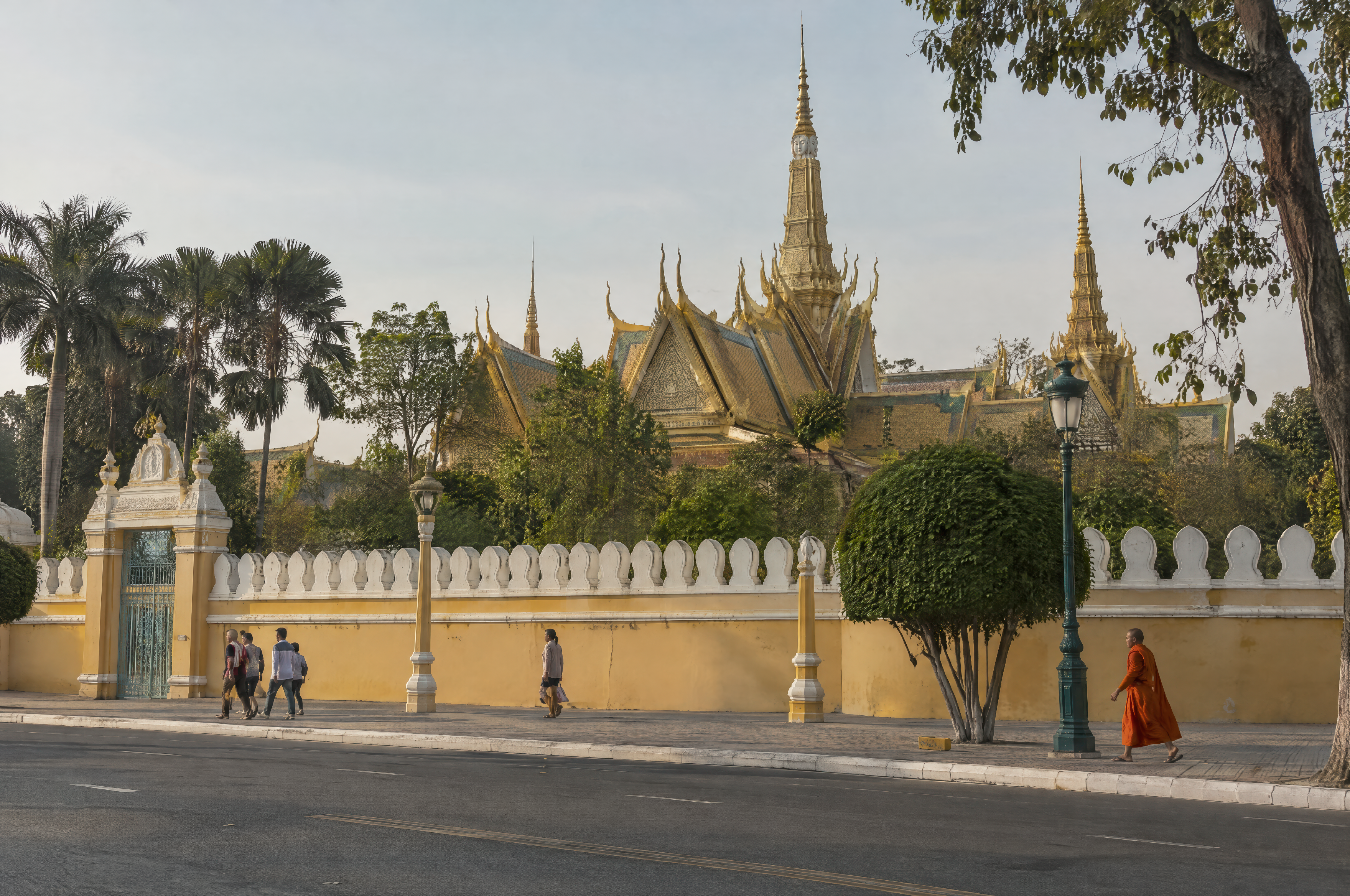
Still the official residence of King Norodom Sihamoni, the Royal Palace complex is genuinely stunning. The gilded rooftops, manicured gardens, and Khmer architectural detail make it one of the top Phnom Penh attractions worth every minute. Next door, the Silver Pagoda houses thousands of silver floor tiles and a life-sized gold Buddha encrusted with diamonds.
- Opening hours: 8:00 AM – 5:00 PM daily
- Entry fee: ~$10 USD
Tuol Sleng Genocide Museum: Understanding Cambodia’s Painful Past
Once a high school, S-21 prison held over 17,000 prisoners during the Khmer Rouge regime. Walking through the cells and seeing the haunting photographs is heavy — but it’s a visit you won’t forget and absolutely should make.
The Killing Fields of Choeung Ek: A Sobering but Essential Visit
About 15 km outside the city, Choeung Ek is where prisoners were executed. The audio guide is exceptional — personal, respectful, and deeply moving. Plan 2–3 hours here.
Wat Phnom: The Sacred Temple at the Heart of the City
Sitting atop the city’s only hill, Wat Phnom is both a working temple and the symbolic birthplace of Phnom Penh. Come early morning to catch monks in prayer.
Best Neighborhoods to Explore Like a Local
Riverside District: Where History Meets Modern Energy
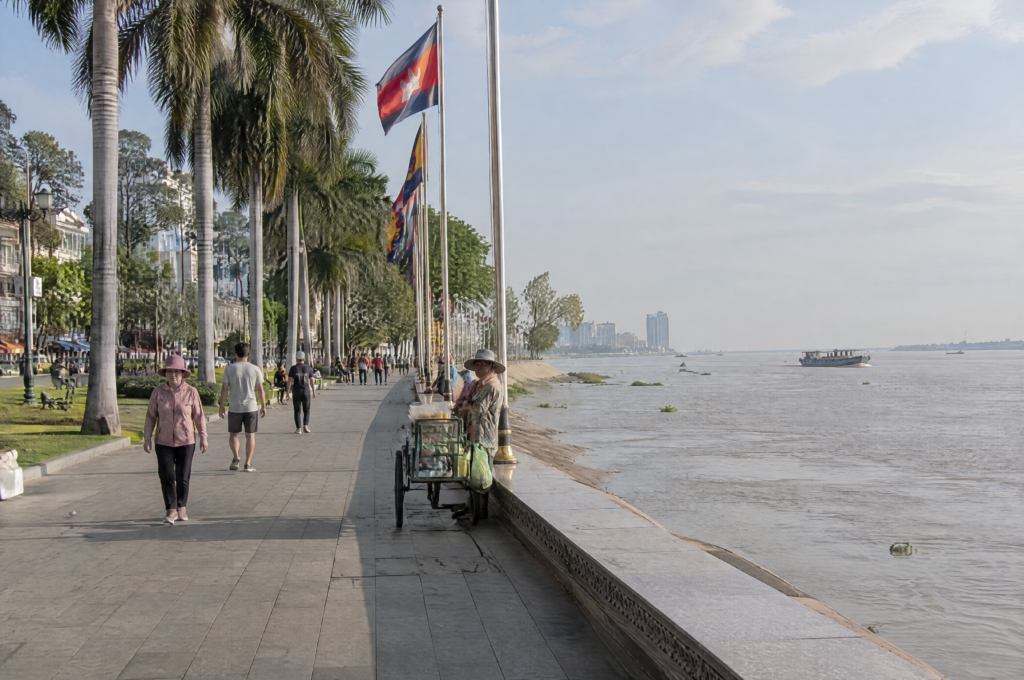
The Riverside District is Phnom Penh’s beating heart. Stroll along Sisowath Quay and you’ll find yourself weaving between ancient temples, buzzing cafes, and street food stalls all within a few blocks. The promenade comes alive at sunset when locals gather, kids run loose, and vendors sell everything from grilled corn to fresh sugarcane juice.
Don’t miss:
- Wat Phnom, the hilltop temple the city is named after
- The busy night market near the waterfront
- Rooftop bars with views over the Tonlé Sap and Mekong rivers
BKK1: The Trendy Hub for Food, Cafes, and Nightlife
Boeung Keng Kang 1, known simply as BKK1, is where expats, digital nomads, and savvy travelers hang out. Think specialty coffee shops, rooftop bars, craft cocktails, and some of Phnom Penh’s best restaurants packed into walkable streets.
- Great for solo travelers and foodies
- Active nightlife without being overwhelming
- Plenty of boutique guesthouses nearby
Toul Tom Poung: Discover the Famous Russian Market Scene
The Russian Market (Phsar Tuol Tom Poung) is a must on any Phnom Penh bucket list. Browse handmade silk scarves, vintage jewelry, local snacks, and knockoff designer goods — all while bargaining like a pro.
- Best visited in the early morning before heat peaks
- Great spot for affordable, authentic souvenirs
- Local food stalls inside serve cheap, delicious Khmer bites
Where to Eat, Drink, and Feast in Phnom Penh
Must-Try Traditional Khmer Dishes and Where to Find Them
Don’t leave Phnom Penh without eating these:
- Amok – A fragrant coconut curry steamed in banana leaves. Head to Malis Restaurant for an elevated version.
- Bai Sach Chrouk – Grilled pork over rice, best eaten at dawn from street vendors near Orussey Market.
- Nom Banh Chok – Rice noodles with green fish curry, a beloved Khmer breakfast staple.
Best Street Food Markets for an Authentic Local Experience
- Russian Market (Toul Tom Poung) – Buzzing food stalls inside selling cheap, delicious local bites
- Night Market (Phsar Reatrey) – Riverside location, grilled skewers, fresh fruit, and cold beer
- Central Market (Phsar Thmei) – Great for quick snacks and people-watching
Rooftop Bars and Riverside Restaurants for Stunning Views
| Spot | Vibe | Don’t Miss |
| Khéma Pasteur | Elegant riverside | French-Khmer fusion |
| Eclipse Sky Bar | Rooftop, panoramic | Sunset cocktails |
| Bassac Lane | Laneway bar scene | Craft drinks |
Hidden Gem Cafes That Locals Swear By
- Brown Coffee – Cambodia’s beloved homegrown chain
- Joma Bakery Cafe – Quiet, reliable, great pastries
- The Shop – Tiny, packed with regulars, outstanding sandwiches
Getting Around Phnom Penh Without the Stress
Tuk-Tuks, Grab, and Motorbikes: Your Best Transport Options
Getting around Phnom Penh is genuinely easy once you know your options:
- Tuk-tuks – The classic choice. Perfect for short hops around the city, especially at night when the breeze makes the ride worthwhile.
- Grab – Cambodia’s go-to ride-hailing app works brilliantly here. Fixed prices, no haggling, and you can book a car, tuk-tuk, or motorbike directly from your phone.
- Motodops – Solo motorbike taxis that weave through traffic faster than anything else. Great for quick solo trips, though not ideal if you’re carrying luggage.
- PassApp – A solid local alternative to Grab with competitive pricing.
| Option | Best For | Price Range |
| Grab | Reliability, fixed fares | $2–$6 |
| Tuk-tuk | Sightseeing, groups | $3–$8 |
| Motodop | Speed, solo trips | $1–$3 |
How to Negotiate Fares and Avoid Common Tourist Traps
Always agree on a price before you get in if you’re skipping Grab. A fair tuk-tuk ride around central Phnom Penh should cost $3–$5. Drivers near major Phnom Penh attractions often quote double — a polite counter-offer works almost every time. Using Grab eliminates this entirely and is the smartest move for stress-free travel in the Cambodia capital city.
Practical Travel Tips to Stay Safe and Save Money
Essential Safety Advice Every Visitor Should Know
- Keep bags on the side away from the road — bag snatching from motos happens fast
- Use hotel safes for passports and extra cash
- Avoid walking alone late at night in unfamiliar areas
- Stick to reputable tuk-tuk drivers or apps like PassApp and Grab
Currency, Budgeting, and How Far Your Money Goes
The US dollar is king here alongside the Cambodian Riel. Most places price in USD, and change often comes back in Riel.
| Budget Level | Daily Spend |
| Budget traveler | $25–$40 |
| Mid-range | $60–$100 |
| Comfort seeker | $120+ |
ATMs are everywhere downtown — withdraw USD directly.
Visa Requirements and Entry Essentials Made Simple
- Most nationalities get a 30-day e-visa at evisa.gov.kh for $36
- Visa on arrival is available at Phnom Penh International Airport
- Bring a passport photo and arrival form just in case
Packing Smart for Phnom Penh’s Climate and Culture
- Light, breathable clothing wins — it’s hot and humid year-round
- Pack a light scarf for temple visits (covered shoulders required)
- Rainy season runs May–October; a compact umbrella saves the day
- Comfortable walking shoes are a must for exploring neighborhoods
Phnom Penh is one of those cities that gets under your skin in the best possible way. From the haunting history of the Killing Fields and Tuol Sleng to the golden spires of the Royal Palace, the city hands you a raw, unfiltered look at Cambodia’s past and present all at once. Throw in the buzzing street food scene, the laid-back riverside neighborhoods, and the surprisingly easy ways to get around, and you’ve got a destination that rewards curious travelers who are willing to show up with an open mind.
Before you go, sort out the small stuff — grab some US dollars, download a reliable tuk-tuk app, and learn a couple of words in Khmer. The locals will love you for it. Phnom Penh isn’t the glossiest capital city in Southeast Asia, but that’s exactly what makes it so worth visiting. Book that trip, wander without a rigid plan, eat everything that looks good on the street, and let the city surprise you.