
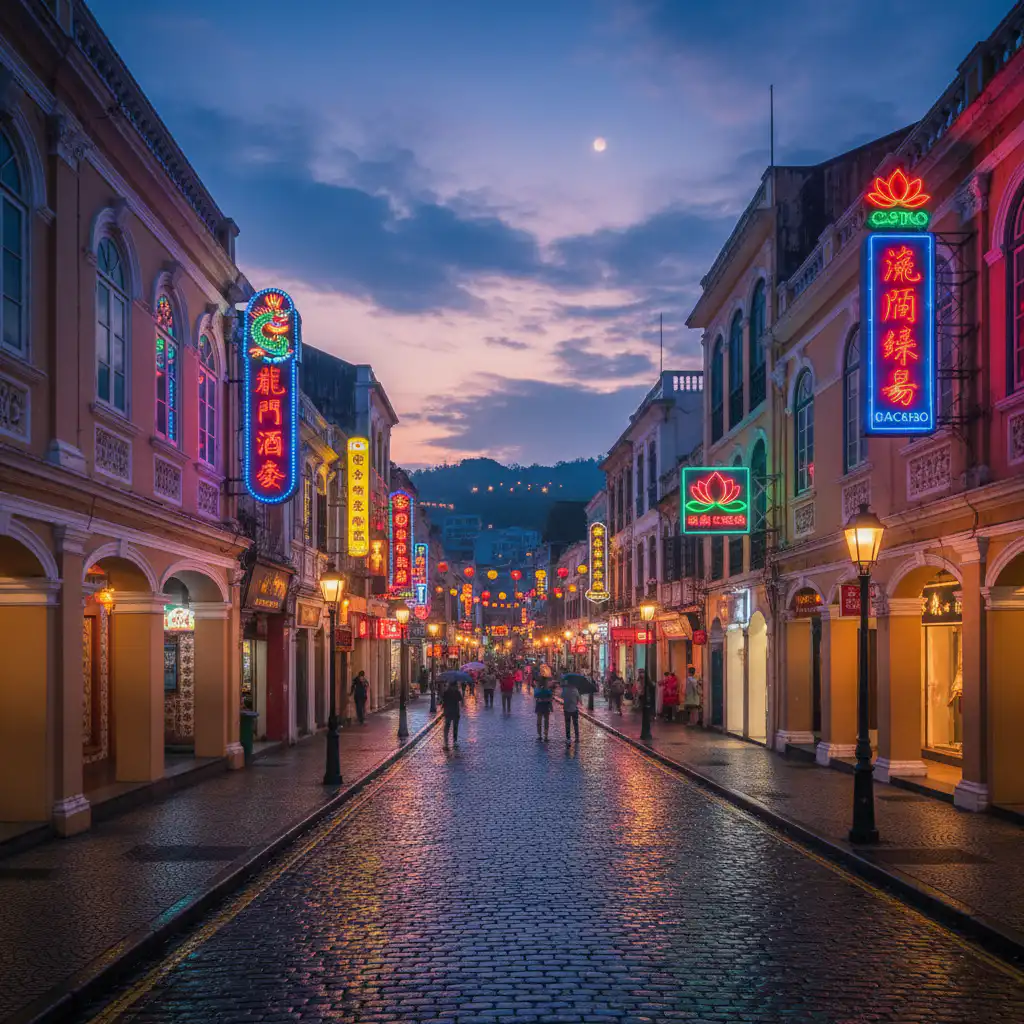

Discover the Enchanting Pearl of the Orient: Top 7 Unforgettable Things to Do in Macao
Imagine stepping back in time, the scent of incense mingling with the salty sea breeze, as ancient Portuguese colonial architecture stands proudly beside glittering modern skyscrapers. This is Macao, a place where East truly meets West, a vibrant tapestry woven with centuries of history, unique culture, and thrilling entertainment. My first visit to Macao was a whirlwind of sensory delights. I remember wandering through the narrow, cobblestone streets of the historic center, the warm sun on my face, and stumbling upon a small bakery selling Pastéis de Nata so fragrant and delicious, they instantly transported me to Lisbon. Later that evening, the dazzling lights of the Cotai Strip beckoned, a stark contrast to the quiet charm of the old town, promising a night of excitement and wonder. This duality is what makes Macao so captivating – a destination that offers something for every traveler, from the history buff to the thrill-seeker, the foodie to the art enthusiast.
For decades, Macao has been known as the “Las Vegas of Asia,” and while its reputation for world-class casinos and entertainment is well-deserved, it is so much more than just a gaming hub. This Special Administrative Region of China, a former Portuguese colony, boasts a UNESCO World Heritage historic center, a unique culinary scene influenced by both Portuguese and Chinese traditions, and a burgeoning arts and culture landscape. Whether you’re looking to delve into its rich past, indulge in its vibrant present, or simply soak in its unique atmosphere, Macao promises an experience that is both exotic and familiar, exhilarating and serene.
This guide will take you on a journey through the seven essential experiences that define Macao, ensuring your visit is packed with unforgettable moments. From iconic landmarks that whisper tales of a bygone era to modern marvels that showcase its dynamic present, we’ll explore the heart and soul of this extraordinary destination. So, pack your bags, open your mind, and prepare to be enchanted by the Pearl of the Orient.
1. Step Back in Time: Explore the Historic Centre of Macao (UNESCO World Heritage Site)
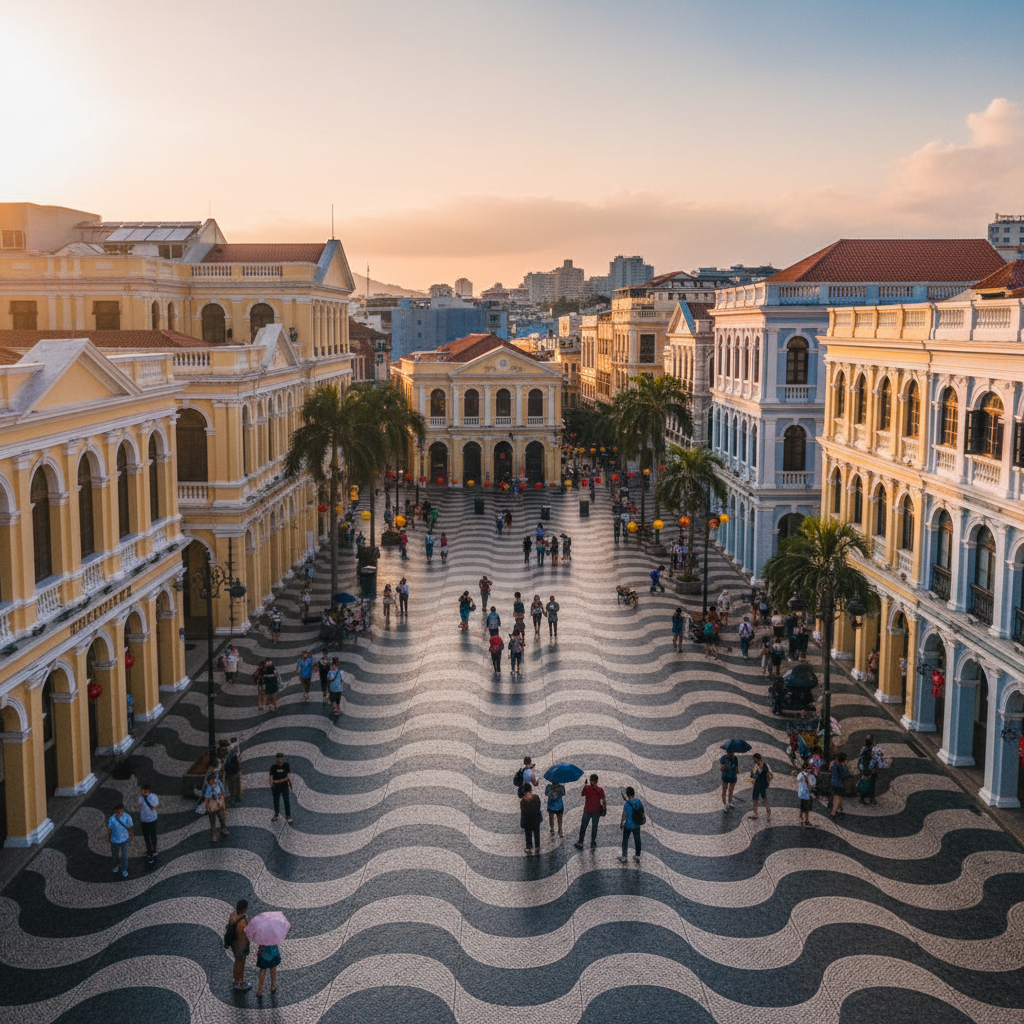
The Historic Centre of Macao is not just a collection of old buildings; it’s a living testament to the unique cultural fusion that has shaped this region for over 400 years. As a UNESCO World Heritage site, it offers a remarkable glimpse into the harmonious coexistence of Portuguese and Chinese civilizations. Wandering through this area is like walking through a history book, with each cobblestone street and ornate facade telling a story.
The undisputed heart of this historic district is Senado Square. Imagine a sprawling, wave-patterned mosaic paved area, surrounded by pastel-colored neoclassical buildings that feel distinctly European. This is where much of Macao’s public life has unfolded for centuries. You’ll find the striking Leal Senado Building (the Loyal Senate), a beautiful example of Portuguese architecture, which once served as the seat of government. Adjacent to it is the Holy House of Mercy, another historic institution that has provided social welfare services since the 16th century. The vibrant colors and elegant architecture create a picturesque setting, perfect for soaking in the atmosphere and capturing stunning photographs.
From Senado Square, it’s a short, delightful stroll to the iconic Ruins of St. Paul’s. This magnificent facade is all that remains of a 17th-century church and college, destroyed by fire in 1835. Standing before this grand stone structure, with its intricate carvings depicting religious motifs and celestial beings, is a truly awe-inspiring experience. It’s a powerful symbol of Macao’s past, a reminder of the early Christian missionaries who played a significant role in its history. Climbing the steps to the top offers a panoramic view of the surrounding area, allowing you to appreciate the scale and grandeur of what was once one of the most important Catholic churches in Asia. Don’t miss the small museum located beneath the facade, which offers further insights into the history of the site and the adjacent Mount Fortress.
Speaking of fortresses, a visit to Mount Fortress (also known as Fortaleza do Monte) is a must. Built by the Jesuits in the early 17th century, this strategic stronghold offers not only historical significance but also breathtaking views of the city. From its ramparts, you can see the juxtaposition of old and new Macao – the historic rooftops stretching out towards the glittering skyline of the Cotai Strip. The fortress itself is a well-preserved example of military architecture, and its grounds are a peaceful escape from the bustling streets below. Inside, you’ll find the Macao Museum, which provides a comprehensive overview of the region’s history, culture, and art, further enriching your understanding of this unique place.
Beyond these major landmarks, the true magic of the Historic Centre lies in its hidden corners. Get lost in the labyrinthine alleyways, discover charming little chapels like the Chapel of St. Anthony, and stumble upon traditional Chinese temples such as the Na Tcha Temple, which stands in stark contrast to its Portuguese neighbors, showcasing the peaceful coexistence of different faiths. The blend of architectural styles – from Baroque and Neoclassical to traditional Chinese – is a visual feast and a constant reminder of Macao’s unique heritage.
The culinary landscape here is also deeply rooted in history. Be sure to sample Macanese cuisine, a unique fusion of Portuguese and Chinese flavors. Look out for dishes like minchi (minced meat with potatoes), African chicken, and of course, the ubiquitous and incredibly delicious Pastéis de Nata (Portuguese egg tarts). Many small bakeries and restaurants within the historic center offer authentic tastes of this blended heritage.
“The Historic Centre of Macao is a rare and precious urban ensemble,” states UNESCO in its official description. “It bears exceptional testimony to the encounter between Chinese and Portuguese cultures, from the 16th to the 20th century, during which Macao served as a major hub for Sino-Western exchanges.” This sentiment perfectly encapsulates why exploring this area is an absolute must for any visitor. It’s not just about sightseeing; it’s about immersing yourself in a living history that continues to shape Macao today.
2. Experience the Glitz and Glamour: The Cotai Strip
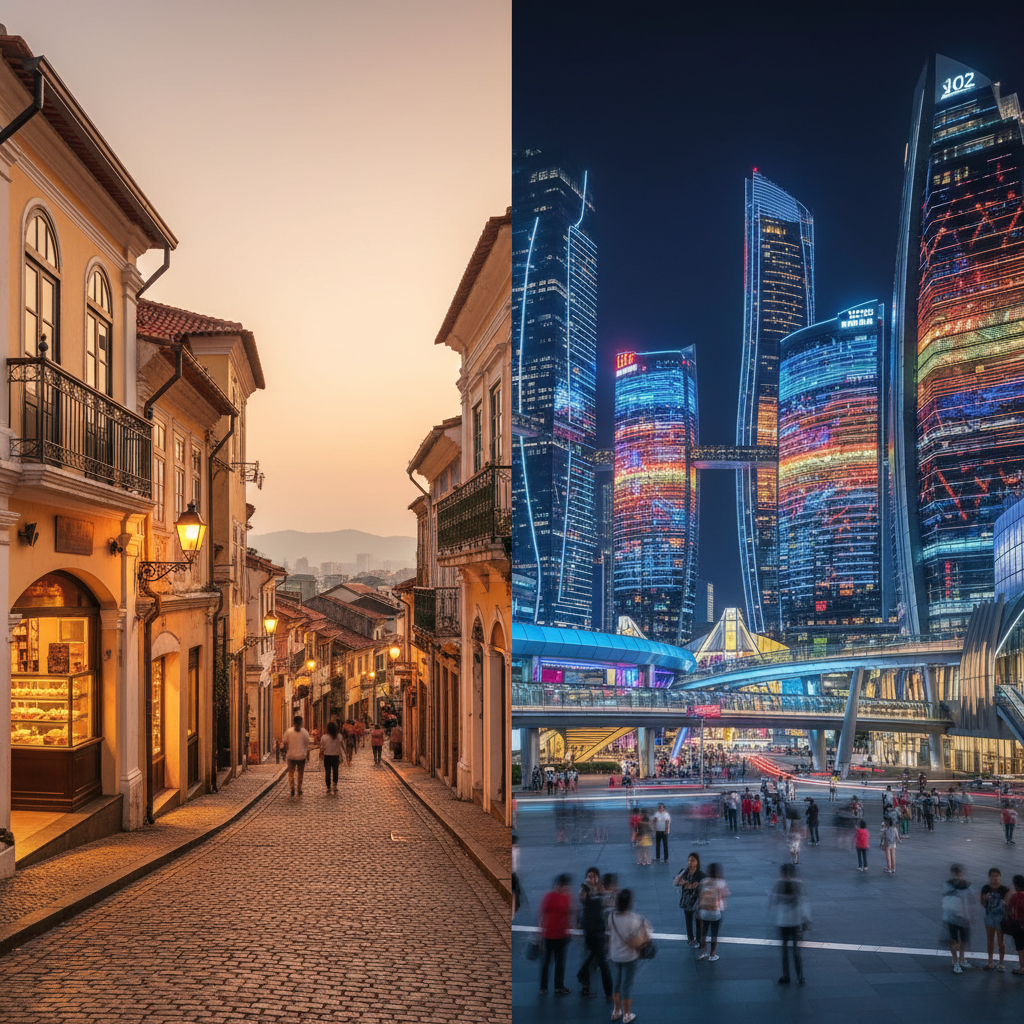
From the serene cobblestone streets of the historic center, we transition to the dazzling, futuristic landscape of the Cotai Strip. This man-made island, reclaimed from the sea between the islands of Taipa and Coloane, is Macao’s modern entertainment and casino hub. It’s a place that pulsates with energy, a playground for those seeking world-class entertainment, luxury shopping, and unparalleled dining experiences.
The Cotai Strip is dominated by colossal, themed resorts that are architectural marvels in themselves. Perhaps the most iconic is The Venetian Macao, a sprawling complex designed to replicate the charm of Venice. Stepping inside is like entering a different world. You’ll find canals with singing gondoliers gliding along, meticulously recreated Venetian architecture, and a sky painted with a perpetual blue. The sheer scale is breathtaking, and it’s easy to spend hours exploring its shopping arcades, restaurants, and entertainment venues. Don’t miss the chance to take a romantic gondola ride – it’s a quintessential Cotai Strip experience.
Adjacent to The Venetian is The Parisian Macao, instantly recognizable by its half-scale replica of the Eiffel Tower. This resort offers a taste of French elegance and romance, with themed shops, restaurants, and, of course, stunning views from the Eiffel Tower observation decks. Ascending the tower, especially at night when the city lights twinkle below, is a magical experience.
Beyond these Italian and French-inspired resorts, the Cotai Strip is home to a constellation of other luxury hotels and integrated resorts, each offering its unique attractions. City of Dreams boasts impressive entertainment shows, including the spectacular House of Dancing Water (though check for current show availability). Galaxy Macau is a vast complex featuring a stunning rooftop water park, the Aerial Galaxy, with a lazy river and the world’s largest rooftop wave pool. Wynn Palace offers a dramatic entrance via its SkyCab cable car, which glides over an impressive performance lake featuring synchronized water fountains.
The casinos are, of course, a central feature of the Cotai Strip. These opulent establishments offer a vast array of gaming options, from traditional table games like baccarat and roulette to the latest slot machines. Even if you’re not a gambler, the sheer spectacle of the casinos is worth experiencing. The dazzling lights, the sounds of the gaming floor, and the sheer grandeur of the interiors are a sensory overload in the best possible way. Many casinos also feature high-end retail outlets, showcasing luxury brands from around the globe.
When it comes to dining, the Cotai Strip is a gastronomic paradise. You can find everything from Michelin-starred fine dining restaurants helmed by world-renowned chefs to casual eateries and international food courts. Whether you’re craving authentic Italian pasta, exquisite French cuisine, spicy Thai curries, or classic American burgers, you’ll find it here. The variety is staggering, catering to every palate and budget.
The Cotai Strip is also a major entertainment destination. Beyond the casinos and shopping, these resorts host world-class performances, concerts, and exhibitions. From international music artists and renowned theatre productions to spectacular magic shows and dazzling acrobatics, there’s always something happening. Check the schedules for venues like the Cotai Arena and Broadway Macao for upcoming events.
One of the most popular attractions on the Cotai Strip is the Macao Giant Panda Pavilion located in the Seac Pai Van Park. While technically just off the main strip, it’s easily accessible and offers a delightful opportunity to see these beloved creatures. Witnessing giant pandas munching on bamboo or playfully interacting is a truly heartwarming experience.
The Cotai Strip represents the modern face of Macao – dynamic, ambitious, and constantly evolving. It’s a place where you can indulge in the finer things in life, experience thrilling entertainment, and witness architectural innovation on a grand scale. It’s a stark contrast to the historic center, yet it forms an equally vital part of the Macao experience, showcasing the region’s remarkable transformation and its position as a global tourism and entertainment powerhouse.
3. Savor the Flavors: A Culinary Journey Through Macanese Cuisine
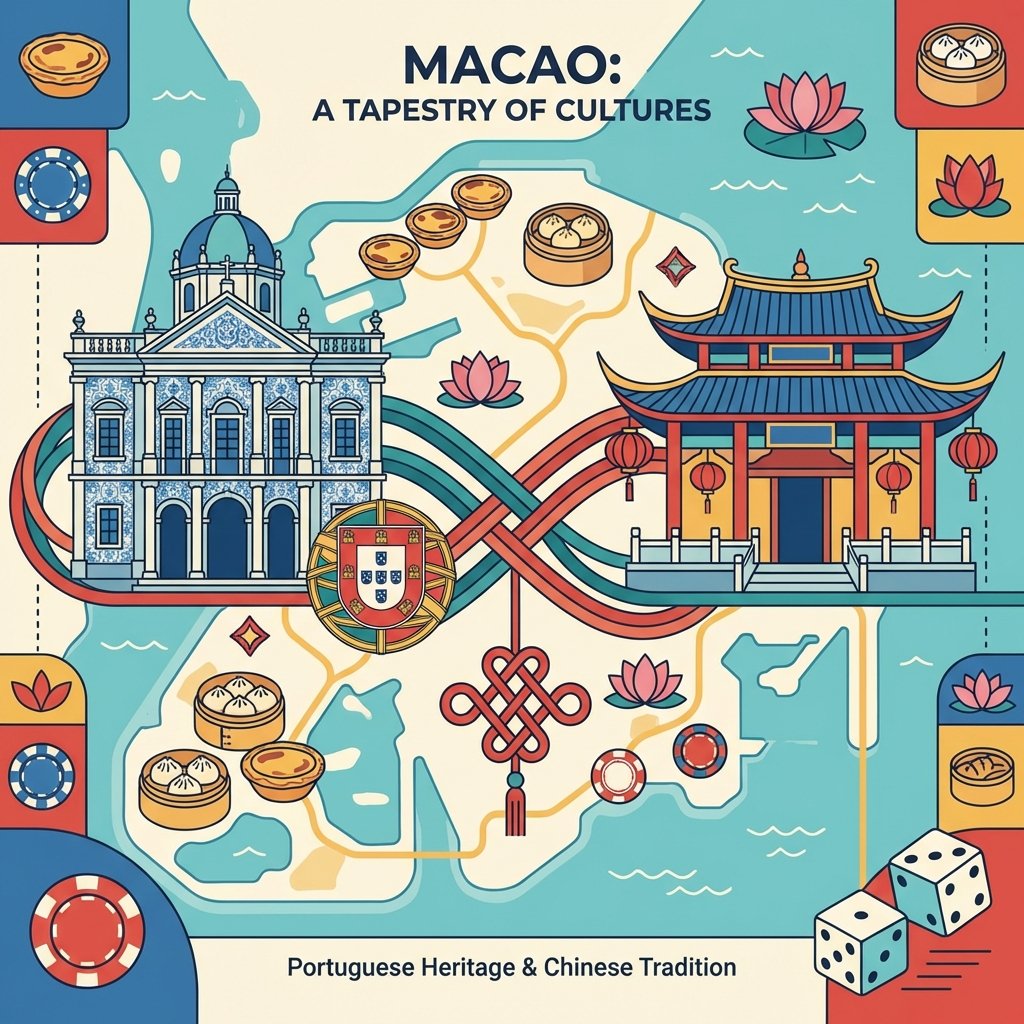
Macao’s identity is inextricably linked to its food. The Macanese cuisine is a unique and delicious fusion of Portuguese and Chinese culinary traditions, enriched by influences from Southeast Asia and Africa due to its history as a trading port. This culinary heritage is a direct reflection of the region’s history as a meeting point for cultures, and exploring it is one of the most rewarding aspects of visiting Macao.
The foundation of Macanese cuisine lies in Portuguese cooking techniques and ingredients, which were adapted and combined with local Chinese spices and methods. This resulted in dishes that are both familiar and exotic, offering a complex tapestry of flavors. One of the most iconic Macanese dishes is Galinha à Portuguesa (Portuguese Chicken). While the name suggests a direct Portuguese origin, the Macanese version is distinct. It typically features chicken cooked in a rich, curry-infused sauce with coconut milk, potatoes, olives, and sometimes ham. The blend of curry spices, creamy coconut, and savory chicken is incredibly satisfying.
Another must-try dish is Minchi. This is often considered the national dish of Macao. It’s a simple yet flavorful dish made with minced meat (usually beef or pork, or a combination), stir-fried with diced potatoes, onions, and seasoned with soy sauce and Worcestershire sauce. It’s typically served with rice and often topped with a fried egg. The beauty of Minchi lies in its comforting homeliness and its perfect balance of savory and slightly sweet flavors.
For seafood lovers, Bacalhau (dried and salted cod) is a staple in Portuguese cuisine and is also popular in Macao, prepared in various ways. You might find it in fritters (Bolinhos de Bacalhau) or baked in dishes. Another popular seafood dish is Arroz de Marisco (seafood rice), a flavorful rice dish cooked with a variety of fresh seafood, often seasoned with saffron or turmeric, giving it a beautiful golden hue.
The influence of African spices, brought to Macao by enslaved people from Portuguese colonies in Africa, can be found in dishes like Galinha à Africana (African Chicken). This dish is characterized by its rich, complex sauce, often incorporating peanuts, chili peppers, coconut milk, and various spices, creating a unique sweet, savory, and slightly spicy flavor profile.
And then there are the Pastéis de Nata. These delectable Portuguese egg tarts are arguably the most famous culinary export from Macao. While originating from Portugal, Macao has perfected them, with many bakeries offering their own unique take. The perfect Pastel de Nata has a flaky, buttery crust and a creamy, rich custard filling, often with a slightly caramelized top. They are best enjoyed warm, fresh from the oven. Be prepared to eat more than one – they are incredibly addictive!
Beyond the specific dishes, the act of eating in Macao is an experience in itself. You can find everything from humble street food stalls and traditional tea houses to elegant fine-dining restaurants. Exploring the local markets, like the Red Market (Alak Market), offers a glimpse into the fresh ingredients that form the backbone of Macanese cuisine. Here, you can see an array of fresh produce, seafood, and local delicacies.
Don’t be afraid to venture into the smaller, family-run restaurants in the older parts of Macao. These establishments often serve the most authentic and traditional Macanese dishes, prepared with recipes passed down through generations. Engaging with the local vendors and chefs can also provide fascinating insights into the culinary heritage.
For those seeking a more refined experience, many of the luxury hotels on the Cotai Strip offer world-class Portuguese and Macanese restaurants, often helmed by acclaimed chefs. These establishments provide a sophisticated setting to enjoy the unique flavors of Macao, often with a modern twist.
A culinary journey through Macao is not just about tasting; it’s about understanding the history and cultural exchange that have shaped its unique gastronomic identity. It’s a delicious adventure that engages all your senses and leaves you with a deep appreciation for this remarkable fusion cuisine.
4. Immerse Yourself in Art and Culture: Museums, Galleries, and Performances
<img src="https://twobritstravel.com/wp-content/uploads/2026/03/Macao-Top-7-Unforgettable-Things-to-Do-3-ed9ff7d8.png" alt="A close-up, mouth-watering professional photo of a freshly baked tray of Pastéis de Nata (Portuguese egg tarts) resting on a rustic wooden table, with a blurred background hinting at a charming, old-world Macanese bakery. The tarts should have perfectly caramelized tops and a rich, creamy filling, conveying a sense of delicious warmth and authentic cultural experience.” class=”wp-image” style=”max-width:100%;height:auto;” />
While Macao is often celebrated for its casinos and historic charm, it also boasts a vibrant and growing arts and culture scene. From insightful museums to dynamic contemporary art spaces and captivating performances, there are numerous ways to immerse yourself in the creative spirit of this unique region.
The Macao Museum, located within the historic Mount Fortress, is an excellent starting point for understanding the region’s rich history and cultural tapestry. It provides a comprehensive overview of Macao’s development from prehistoric times to the present day, showcasing artifacts, traditional crafts, and multimedia exhibits that highlight the unique Sino-Portuguese heritage. The museum’s location within the fortress also offers stunning panoramic views of the city.
For a deeper dive into the artistic heritage, the Macao Museum of Art is a must-visit. This contemporary institution houses a diverse collection of Chinese art, including calligraphy, traditional paintings, and ceramics. It also features exhibitions of Macanese art, showcasing the works of local artists and exploring the region’s unique artistic expressions. The museum regularly hosts temporary exhibitions, often featuring international artists, making it a dynamic cultural hub.
Beyond the major museums, Macao has a thriving community of smaller galleries and art spaces. Keep an eye out for independent galleries that showcase contemporary works by local and regional artists. These spaces often offer a more intimate and cutting-edge perspective on Macao’s creative landscape. The Ox Warehouse, a former warehouse transformed into a multi-disciplinary arts center, is a prime example, hosting performances, exhibitions, and workshops.
The performing arts scene in Macao is equally dynamic. The Grand Auditorium at the Macao Cultural Centre is a premier venue for a wide range of performances, including opera, ballet, symphony concerts, and theatre productions. International artists and renowned ensembles frequently perform here, offering world-class entertainment.
For a truly unique Macanese performance experience, consider attending a show at one of the integrated resorts on the Cotai Strip. While many are geared towards entertainment and spectacle, some offer sophisticated artistic productions. The House of Dancing Water at City of Dreams (check for current availability and show status) was once a spectacular water-based show, blending acrobatics, dance, and elaborate staging. Even if such large-scale productions are not currently running, the resorts often host concerts, magic shows, and other live entertainment that showcase impressive talent.
Macao also has a rich tradition of festivals and cultural events throughout the year. The Macao Arts Festival, held annually, is a major highlight, featuring a diverse program of theatre, music, dance, and visual arts from around the world. The International Film Festival & Awards Macao (IFFAM) is another significant event that attracts filmmakers and cinephiles, celebrating cinematic excellence. Keep an eye on local event listings to discover smaller, community-based festivals and celebrations that offer a more intimate glimpse into Macao’s cultural life.
The blend of traditional and contemporary art forms in Macao is fascinating. You can witness ancient calligraphy techniques displayed alongside bold, modern sculptures, or experience the traditional sounds of Chinese opera followed by a contemporary dance performance. This artistic dialogue between the past and the present is a defining characteristic of Macao’s cultural identity.
Engaging with Macao’s art and culture scene provides a deeper understanding of the region’s soul. It’s an opportunity to connect with the local community, appreciate the creative talent that flourishes here, and witness the ongoing evolution of this unique cultural crossroads.
5. Seek Thrills and Adventure: From Roller Coasters to High-Stakes Heights
For those who crave an adrenaline rush, Macao offers a surprising array of thrilling experiences, extending far beyond the gaming tables. Whether you’re looking for gravity-defying adventures or heart-pounding entertainment, the region has something to get your pulse racing.
One of the most iconic adventure attractions is the Macau Tower Convention & Entertainment Centre. This towering structure, standing at 338 meters (1,109 ft), is not just an observation deck; it’s an adventure playground. For the ultimate thrill-seekers, the tower offers bungee jumping, holding the Guinness World Record for the highest commercial bungee jump. Imagine leaping from a platform nearly 233 meters (764 ft) above the ground – it’s an experience that will undoubtedly create lasting memories. If a full bungee jump seems too daunting, you can opt for the Skywalk, where you are securely harnessed and can walk around the outer rim of the tower, enjoying breathtaking 360-degree views of Macao, the Pearl River Delta, and even Hong Kong on a clear day. For a slightly less extreme, but still exhilarating, option, try the Tower Climb, where you ascend the exterior of the tower to the very top.
If theme park thrills are more your speed, head to the Studio City resort on the Cotai Strip. Here you’ll find the Golden Reel, the world’s first figure-eight Ferris wheel. Suspended between two hotel towers, this unique attraction offers spectacular views of the Cotai skyline as you glide through its iconic shape. It’s a less intense thrill than bungee jumping, but the unique design and the elevated perspective make it a memorable experience. Studio City also often features various entertainment shows and attractions that can provide a dose of excitement.
For a different kind of thrill, consider exploring Macao’s waterways. While not as developed as some other destinations, there are opportunities for water sports and boat tours. Depending on the season and availability, you might find options for jet skiing or exploring the coastline by boat. Keep an eye out for local tour operators offering excursions that showcase the natural beauty surrounding Macao.
Beyond the dedicated adventure attractions, the sheer scale and ambition of the resorts on the Cotai Strip often provide a sense of awe and excitement. The elaborate themed environments, the dazzling light shows, and the sheer energy of places like The Venetian and The Parisian can be exhilarating in themselves. Simply navigating the vast complexes and experiencing the different attractions can feel like an adventure.
For those who enjoy a bit of friendly competition and strategic thinking, Macao’s numerous entertainment complexes offer more than just casinos. Many feature high-tech arcades, virtual reality experiences, and even indoor go-karting tracks. These can provide hours of fun and a chance to engage in some lighthearted rivalry.
Even a simple stroll through the bustling streets can feel like an adventure, with the constant buzz of activity, the vibrant street life, and the unexpected discoveries around every corner. The juxtaposition of ancient temples and modern mega-resorts creates a unique urban landscape that is constantly stimulating.
When seeking thrills in Macao, it’s essential to prioritize safety. Always choose reputable operators for adventure activities and ensure you understand all safety instructions and guidelines. Whether you’re leaping from a great height or simply enjoying a ride on a giant Ferris wheel, Macao offers a diverse range of exciting experiences for every level of adventurer.
6. Discover Nature’s Serenity: Taipa Village and Coloane Island
While Macao is renowned for its urban energy and historical sites, it also offers pockets of tranquility and natural beauty, particularly on the islands of Taipa and Coloane. Stepping away from the bustling city center allows for a different kind of exploration, one focused on charming villages, lush landscapes, and a slower pace of life.
Taipa Village provides a delightful contrast to the modern developments of the Cotai Strip, which it neighbors. This charming enclave retains much of its old-world character, with narrow streets, traditional houses, and a relaxed atmosphere. Once a quiet fishing village, Taipa Village has evolved into a vibrant cultural hub, blending its historical roots with a contemporary flair.
Wander through the colorful streets, lined with beautifully preserved Portuguese colonial buildings painted in vibrant hues of yellow, blue, and pink. You’ll find quaint boutiques, art galleries, and numerous restaurants serving delicious Macanese and Portuguese cuisine. A highlight of Taipa Village is Rua do Cunha, often referred to as “Food Street.” This bustling lane is packed with eateries offering a tantalizing array of local delicacies. It’s the perfect place to sample authentic Macanese dishes, indulge in more Pastéis de Nata, or simply soak in the lively atmosphere.
The village is also home to several historical and cultural sites. The Taipa Houses-Museum offers a fascinating glimpse into the lives of wealthy Portuguese families in the early 20th century. These beautifully restored houses, set amidst lush gardens, showcase period furniture, artifacts, and photographs, providing an intimate look at colonial life. Nearby, you can visit the Pak Tai Temple, a traditional Chinese temple dedicated to the Taoist god of the sea, offering a spiritual counterpoint to the colonial architecture.
For a breath of fresh air, the Taipa Hill Nature Trail offers a pleasant walk through a forested area, providing scenic views of the surrounding islands and the Cotai Strip. It’s a refreshing escape from the urban hustle and bustle.
Further south lies Coloane Island, the largest and most sparsely populated of Macao’s islands. This is where you’ll find a more rustic and natural side of Macao. Coloane offers a stark contrast to the glitz of the Cotai Strip, providing a serene escape with beautiful beaches, rolling hills, and a distinct sense of tranquility.
The most famous feature of Coloane is Hac Sa Beach (Black Sand Beach), known for its unique dark-colored sand, a result of mineral deposits. This expansive beach is a popular spot for locals and tourists alike to relax, swim, and enjoy the coastal scenery. Adjacent to Hac Sa Beach is the Hac Sa Reservoir, a picturesque body of water surrounded by lush greenery, offering opportunities for leisurely walks and enjoying the natural landscape.
Coloane Village itself is a charming, traditional settlement with a laid-back atmosphere. Here you can find local eateries serving fresh seafood and traditional Macanese dishes. The village is also home to the iconic Chapel of St. Francis Xavier, a historic church that has played a significant role in the island’s religious and cultural life.
For hikers and nature enthusiasts, Coloane offers several excellent trails. The Coloane Trail is a popular choice, winding its way through forests and offering stunning views of the coastline and neighboring islands. The trail leads to the island’s highest point, Guia Hill, providing panoramic vistas. Another notable trail is the Shuen Wan Rice Terraces, offering a glimpse into the island’s agricultural past.
A visit to Coloane also offers the chance to experience the famous Lord Stow’s Bakery, the original home of the Pastéis de Nata in Macao. While the brand has expanded, visiting the original bakery in Coloane feels like a pilgrimage for fans of this beloved treat.
Exploring Taipa Village and Coloane Island allows you to experience the diverse facets of Macao. From the charming streets and culinary delights of Taipa to the natural beauty and serene atmosphere of Coloane, these areas offer a welcome respite and a deeper appreciation for the multifaceted character of this remarkable destination.
7. Ascend to New Heights: The Macau Tower Observation Deck
No visit to Macao is truly complete without experiencing the breathtaking panoramic views from the Macau Tower Convention & Entertainment Centre. Standing at an impressive 338 meters (1,109 ft) tall, this iconic landmark offers visitors a unique perspective on the sprawling metropolis and the surrounding Pearl River Delta.
The journey to the top begins with a high-speed elevator ride, whisking you upwards at a remarkable pace. As you ascend, the bustling city below gradually unfolds, revealing its intricate layout and the striking contrast between its historic districts and the modern, glittering Cotai Strip.
Upon reaching the observation decks, typically located on levels 58 and 61, you are greeted with unparalleled 360-degree views. On a clear day, the vistas are simply spectacular. You can easily identify the key landmarks: the distinctive wave-patterned pavements of Senado Square, the majestic Ruins of St. Paul’s, the sprawling resorts of the Cotai Strip, and the vast expanse of the Pearl River Delta stretching towards mainland China. On particularly clear days, you might even catch a glimpse of Hong Kong across the water.
The observation decks are thoughtfully designed to maximize the viewing experience. Large glass windows offer unobstructed vistas, and strategically placed information points help you identify the various sights. There are even glass floor sections on some levels, allowing you to peer directly down at the ground far below – a thrilling experience for those brave enough to stand on them!
However, the Macau Tower is far more than just an observation deck. It’s a hub for adventure and entertainment, offering a range of activities that cater to thrill-seekers. As mentioned earlier, it is home to the world’s highest commercial bungee jump (233 meters), a daring feat for the truly adventurous. For those who prefer a slightly less intense, but equally exhilarating, experience, the Skywalk allows you to walk around the exterior circumference of the tower, securely harnessed, taking in the incredible views from an open-air perspective. The Tower Climb offers another way to experience the exterior of the tower, ascending to its highest point.
Even if you don’t participate in the high-adrenaline activities, the Macau Tower offers a variety of other attractions. There are several dining options, including the 360 Café, a revolving restaurant located on level 60. Dining here allows you to enjoy a meal while slowly rotating, offering ever-changing views of the cityscape – a truly memorable dining experience.
The Macau Tower also serves as a venue for various events and exhibitions, adding to its role as a dynamic entertainment center. Its presence on the skyline is a constant reminder of Macao’s ambition and its ability to blend historical charm with modern innovation.
Visiting the Macau Tower is an essential experience for anyone wanting to grasp the scale and beauty of Macao. It provides context to the city’s layout, showcases its rapid development, and offers a moment of awe-inspiring reflection. Whether you’re seeking adventure or simply wish to admire the city from above, the Macau Tower promises an unforgettable experience and a stunning conclusion to your exploration of this vibrant destination.
Conclusion: Macao – A Destination of Endless Discovery
Macao is a destination that defies easy categorization. It is a place where ancient traditions seamlessly blend with modern marvels, where East and West have intertwined for centuries to create a unique cultural tapestry. From the evocative history etched into the walls of its UNESCO-listed historic center to the dazzling lights and world-class entertainment of the Cotai Strip, Macao offers a kaleidoscope of experiences.
Our journey through the top seven things to do has taken us from the charming cobblestone streets and colonial architecture to the thrilling heights of the Macau Tower, and from the intricate flavors of Macanese cuisine to the serene landscapes of its islands. Each experience offers a different facet of this multifaceted region, revealing its depth and diversity.
Whether you find yourself captivated by the echoes of Portuguese explorers at the Ruins of St. Paul’s, indulging in a gondola ride at The Venetian, savoring the unique blend of spices in Galinha à Portuguesa, or simply enjoying the tranquility of Coloane Island, Macao promises to leave an indelible mark on your memory. It’s a place that constantly surprises, delights, and invites further exploration.
The true magic of Macao lies in its ability to offer something for everyone. It’s a destination that caters to the history enthusiast, the culinary adventurer, the thrill-seeker, the art lover, and the casual traveler alike. It’s a testament to its resilience, its adaptability, and its enduring appeal as a crossroads of cultures.
So, as you plan your visit, remember to embrace the duality of Macao. Allow yourself to be transported by its rich past and captivated by its vibrant present. Explore its hidden alleys, savor its unique flavors, and ascend to its breathtaking heights. Macao is more than just a destination; it’s an experience waiting to be discovered, a pearl of the Orient that shines with a brilliance all its own.
Frequently Asked Questions (FAQs)
1. What is the best time of year to visit Macao?
The best time to visit Macao is generally during the autumn months, from October to December. During this period, the weather is typically pleasant, with lower humidity, mild temperatures, and plenty of sunshine, making it ideal for exploring the historic sites and outdoor attractions. Spring (March to May) is also a good time, though it can be slightly more humid. Summer (June to September) is hot and humid, with a higher chance of typhoons, while winter (January to February) can be cool and dry.
2. How do I get around Macao?
Macao has an efficient public transportation system. Buses are the most common and affordable way to get around, with extensive routes covering most major attractions. Many free shuttle buses are also operated by the major casino resorts, connecting key points like ferry terminals, border crossings, and various resorts, which can be very convenient for tourists. Taxis are readily available and relatively inexpensive. For exploring the historic center, walking is the best option, as many attractions are within close proximity.
3. Is Macao expensive to visit?
Macao’s cost can vary significantly depending on your travel style. Accommodation, dining, and entertainment in the luxury resorts on the Cotai Strip can be quite expensive. However, budget-friendly options exist, especially for accommodation outside the main resort areas and for dining at local eateries and markets. Using public buses and free resort shuttles can significantly reduce transportation costs. Entrance fees for most historical sites are minimal or free, while museums and specific attractions have varying costs. Overall, it’s possible to experience Macao on a moderate budget by making smart choices.
4. Do I need a visa to visit Macao?
Visa requirements for Macao depend on your nationality. Many nationalities, including those from the US, UK, Canada, Australia, New Zealand, and most EU countries, can enter Macao visa-free for short stays (typically 30 days). However, it is crucial to check the latest visa regulations with the Immigration Department of the Public Security Police Force of Macao or your local embassy or consulate before traveling, as requirements can change.
5. What currency is used in Macao?
The official currency of Macao is the Macanese Pataca (MOP). However, the Hong Kong Dollar (HKD) is widely accepted throughout Macao, often at a 1:1 exchange rate, especially in casinos and hotels. While you can use HKD for most transactions, you might receive change in MOP. It’s advisable to carry some MOP for smaller local shops or if you want to ensure you receive the exact change. ATMs are widely available, and credit cards are accepted in most hotels, restaurants, and larger establishments.
6. What are the must-try food items in Macao besides Pastéis de Nata?
Beyond the famous egg tarts, you absolutely must try Minchi (minced meat with potatoes), Galinha à Portuguesa (Portuguese Chicken, a curry-infused dish), and African Chicken (chicken in a rich, complex sauce with peanuts and spices). Also, look out for Bacalhau (salted cod) dishes, Arroz de Marisco (seafood rice), and the delicious Pork Chop Bun, a local fast-food favorite. Exploring the local markets and small eateries will reveal many more authentic Macanese culinary delights.