
Top 5 Things to Do in Phnom Penh: A Journey Through Cambodia’s Vibrant Capital
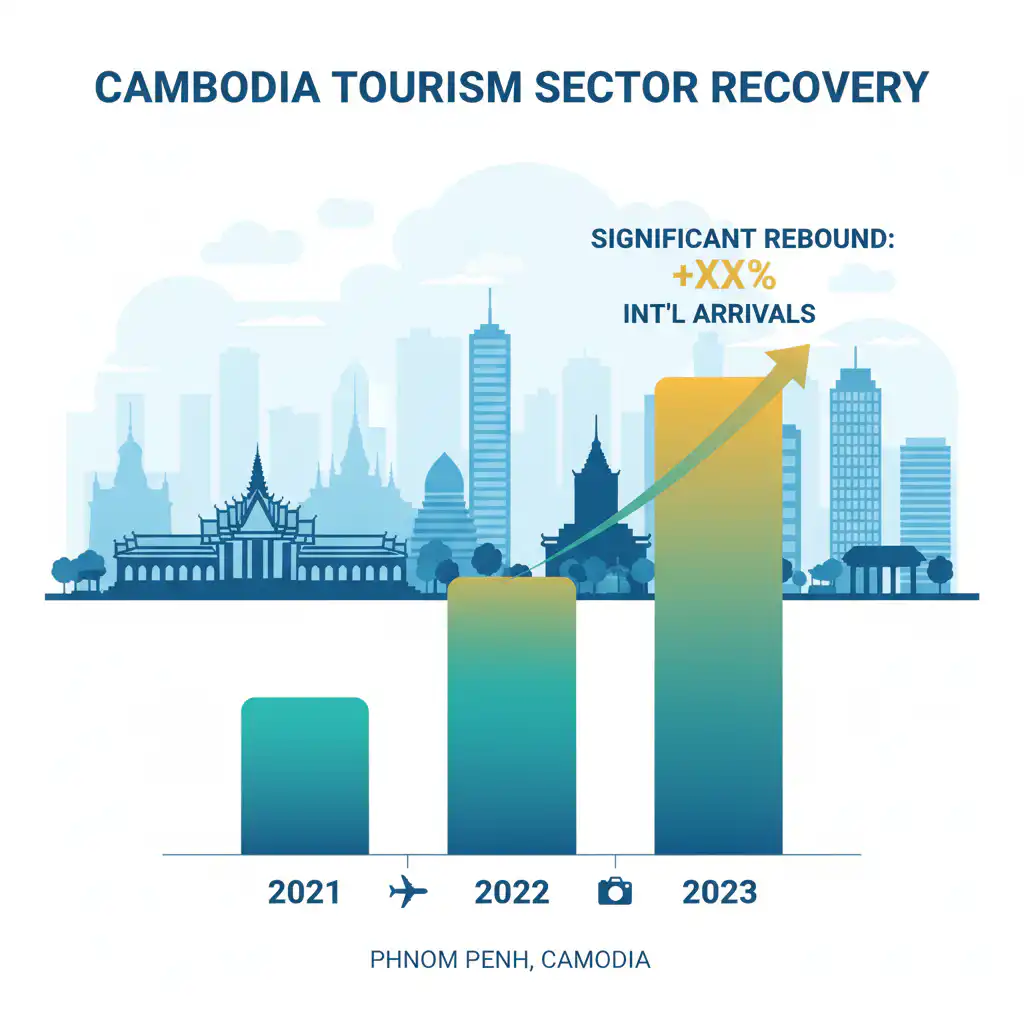
Phnom Penh, the bustling capital of Cambodia, is a city that pulsates with a unique blend of ancient history, colonial charm, and a resilient spirit. Once known as the “Pearl of Asia,” it’s a destination that offers a profound and often moving experience for travelers. From the sobering reminders of its tragic past to the dazzling displays of its burgeoning present, Phnom Penh captivates with its contrasts. Did you know that Cambodia’s tourism sector is on a significant rebound, with international arrivals to Phnom Penh showing a strong upward trend? In 2023, the Ministry of Tourism reported a substantial increase in visitors, signaling a renewed interest in this captivating Southeast Asian gem. This article will guide you through the top 5 essential experiences that define a visit to Phnom Penh, offering a deep dive into its culture, history, and the vibrant life of its people.
1. Confronting the Past: The Killing Fields and Tuol Sleng Genocide Museum
No visit to Phnom Penh is complete without understanding Cambodia’s recent history, particularly the atrocities committed during the Khmer Rouge regime. While emotionally challenging, these sites offer a vital perspective on the nation’s resilience and the importance of remembrance.
Choeung Ek Genocidal Center (The Killing Fields)
Located about 17 kilometers outside the city center, Choeung Ek is a serene and picturesque landscape that belies its horrific past. This former orchard and Buddhist monastery was transformed into one of the most infamous killing sites under Pol Pot’s regime. Between 1975 and 1979, an estimated 17,000 to 20,000 people, including many former soldiers, intellectuals, and ordinary citizens, were brutally executed here.
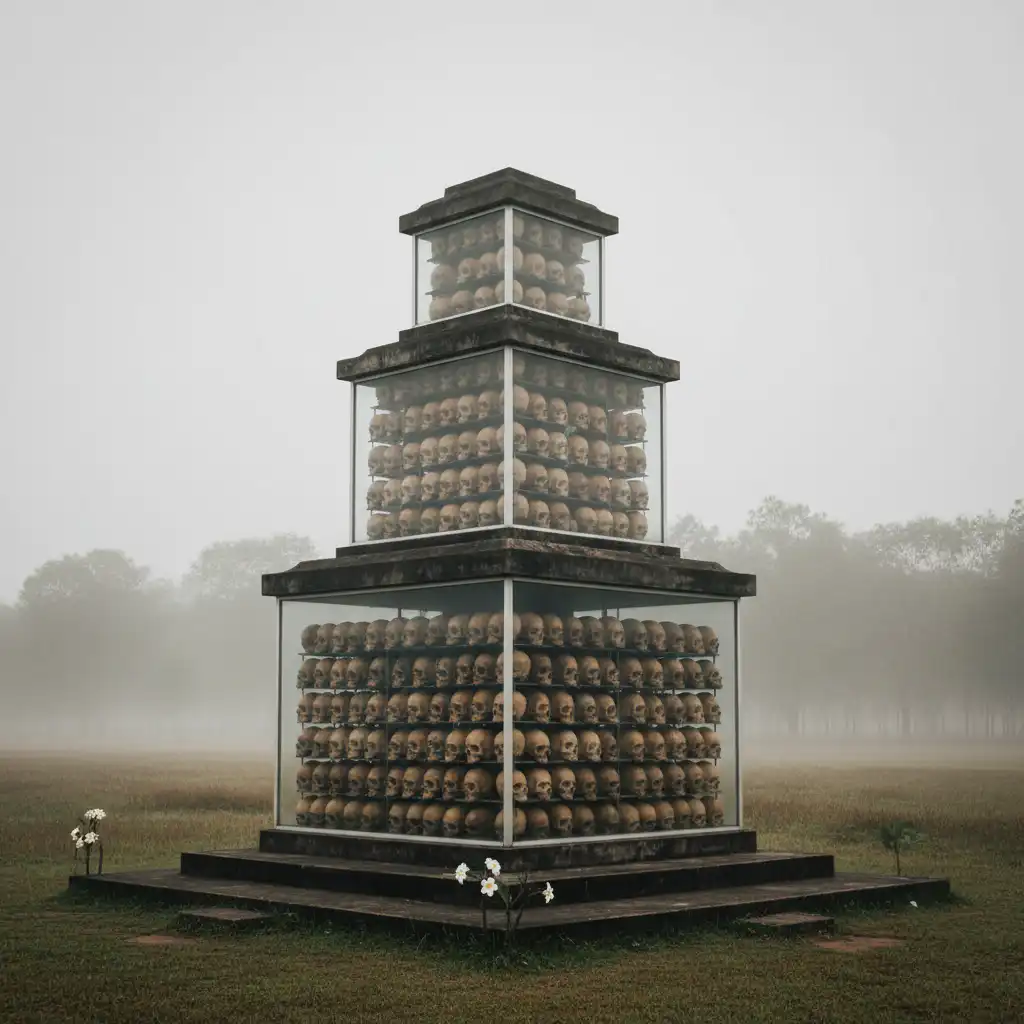
- The Experience: A visit to the Killing Fields is a profoundly sobering experience. The site is marked by a large stupa, filled with the skulls and bones of victims, a stark visual testament to the scale of the genocide. Walking through the grounds, you’ll encounter mass graves, some still bearing the scars of exhumation. Audio guides are highly recommended; they provide detailed, personal accounts from survivors and perpetrators, narrated in a sensitive yet unflinching manner. These narratives bring to life the unimaginable suffering that occurred here, making the historical context visceral and deeply impactful. The guide will point out specific locations, such as the “Magic Tree,” where babies were allegedly swung and killed, and the shallow graves that were deliberately dug to save on resources. It’s a place for quiet reflection and solemn remembrance.
- Historical Significance: Choeung Ek stands as a memorial to the victims and a warning against the dangers of unchecked political extremism. It is a crucial site for understanding the Cambodian genocide and the immense loss the country endured. The Khmer Rouge sought to create an agrarian utopia, and in their pursuit, they systematically dismantled society, leading to the deaths of an estimated 1.5 to 2 million Cambodians through execution, starvation, disease, and overwork.
- Practical Tips:
- Allow at least 2-3 hours for your visit.
- The audio guide is essential for a full understanding.
- Dress respectfully: shoulders and knees should be covered.
- Bring tissues; it’s an emotional experience.
- Consider visiting in the morning to avoid the midday heat.
- Transportation: Tuk-tuks and taxis are readily available from Phnom Penh. Negotiate your fare beforehand, ensuring it includes waiting time.
Tuol Sleng Genocide Museum (S-21 Prison)
Within Phnom Penh itself lies another critical site: Tuol Sleng, also known as S-21. This former high school was converted into a notorious security prison and interrogation center by the Khmer Rouge. It’s estimated that at least 15,000 to 20,000 people were imprisoned, tortured, and ultimately executed at S-21. Only a handful survived.
- The Experience: Tuol Sleng is a chilling testament to the paranoia and brutality of the regime. The former classrooms have been converted into interrogation rooms, torture chambers, and cells. You’ll see remnants of the torture devices used, photographs of the prisoners taken upon their arrival and often just before their death, and the stark, cramped cells. The black and white photographs are particularly haunting, capturing the fear and despair in the eyes of the inmates. The museum’s exhibits include documents, testimonies, and personal belongings of the victims, offering a detailed and heartbreaking account of the systematic torture and murder that took place within these walls. Unlike the open space of the Killing Fields, the claustrophobic nature of S-21 amplifies the sense of dread and suffering.
- Historical Significance: S-21 was the central hub of the Khmer Rouge’s security apparatus, where enemies of the state were systematically interrogated and tortured to extract false confessions before being sent to their deaths at sites like Choeung Ek. It represents the systematic nature of the Khmer Rouge’s repression and the immense human cost of their ideology. The sheer volume of documentation and photographic evidence preserved here is a testament to the meticulous, albeit horrific, record-keeping of the regime.
- Practical Tips:
- Allow at least 2-3 hours for your visit.
- The audio guide is highly recommended, providing crucial context and personal stories.
- Dress respectfully (shoulders and knees covered).
- Be prepared for an emotionally taxing experience.
- Tuol Sleng is located within the city, making it easily accessible by tuk-tuk or taxi.
Expert Quote: “Visiting the Killing Fields and Tuol Sleng is not about morbid curiosity; it is about bearing witness to history, honoring the victims, and understanding the resilience of the Cambodian people. It’s a crucial step in comprehending the nation’s present by acknowledging its past.” – Dr. Sophal Ear, Associate Professor of Diplomacy and World Affairs at Occidental College and author specializing in Cambodian history.
Statistics: It’s estimated that the Khmer Rouge regime was responsible for the deaths of approximately 25% of Cambodia’s population. The majority of deaths were from starvation, disease, and overwork, with executions accounting for a significant portion.
2. Royal Grandeur and Cultural Heart: The Royal Palace and Silver Pagoda
Emerging from the shadows of history, Phnom Penh also offers a glimpse into Cambodia’s rich cultural heritage and regal splendor. The Royal Palace complex is a breathtaking testament to Khmer architecture and a living symbol of the nation’s monarchy.
The Royal Palace
The Royal Palace, also known as Preah Borom Reachea Va, is the official residence of the King of Cambodia. Constructed in 1866, it’s a stunning complex of buildings that showcases the intricate craftsmanship and artistic traditions of the Khmer people. The architecture is a beautiful blend of traditional Khmer design with French colonial influences, creating a unique and visually striking aesthetic.
- The Experience: Visitors can explore the manicured gardens and several of the palace’s stunning structures. The most prominent buildings include the Throne Hall (Preah Tineang Tevea Vinichhay), the Napoleon III Pavilion, and the Damnak Chan. The Throne Hall, with its soaring, multi-tiered roof and ornate carvings, is particularly impressive. It is used for ceremonial occasions and royal audiences. The Napoleon III Pavilion, a gift from France, stands out with its European architectural style. While the King and Queen still reside within the palace grounds, only specific areas are open to the public, ensuring the privacy and security of the royal family. Guided tours are often available and can provide deeper insights into the history and significance of each building. The vibrant colors, intricate details, and sheer scale of the architecture are captivating.
- Historical Significance: The Royal Palace has been the seat of Cambodian royalty for over a century, serving as a symbol of national identity and continuity. It has witnessed periods of great prosperity and profound turmoil, remaining a steadfast emblem of the Cambodian state. Its preservation and continued use underscore the enduring importance of the monarchy in Cambodian society.
- Practical Tips:
- Dress code is strict: shoulders and knees must be covered. No shorts, short skirts, or revealing clothing.
- The palace is typically open from 7:30 AM to 11:00 AM and 2:00 PM to 5:00 PM, but opening hours can vary, so it’s best to check in advance.
- Allow 1-2 hours to explore the accessible areas.
- Photography is restricted in some areas.
- The complex is located along the Tonle Sap River, easily accessible by tuk-tuk.
The Silver Pagoda (Wat Preah Keo Morokot)
Adjacent to the Royal Palace, the Silver Pagoda is one of Cambodia’s most sacred Buddhist temples. Its name derives from the fact that its floor is reportedly paved with over 5,000 solid silver tiles. While many of these tiles are now covered for preservation, the pagoda’s treasures and the overall opulence remain breathtaking.
- The Experience: The Silver Pagoda houses a collection of priceless Buddhist artifacts, including the renowned Emerald Buddha (made of baccarat crystal) and a life-sized solid gold Buddha statue adorned with thousands of diamonds. The walls are decorated with vibrant murals depicting scenes from the Ramayana, painted by Cambodian artists in the 1960s. The sheer artistry and the value of the treasures within are astounding. The graceful architecture of the temple, with its gilded roofs and intricate carvings, is a masterpiece of Khmer art. The atmosphere is one of reverence and awe. You can wander through the main temple building, marveling at the statues, the floor, and the wall paintings.
- Historical Significance: The Silver Pagoda has served as the royal temple for centuries, housing sacred relics and serving as a site for important religious ceremonies. It represents the deep-rooted Buddhist faith that permeates Cambodian culture and has been a source of spiritual solace and national pride throughout the country’s history.
- Practical Tips:
- The Silver Pagoda is typically visited in conjunction with the Royal Palace, as they share an entrance.
- The same dress code applies: shoulders and knees must be covered.
- Remove your shoes before entering the main temple building.
- Be respectful of the religious nature of the site.
Expert Insight: “The Royal Palace and Silver Pagoda are not just historical monuments; they are living symbols of Cambodia’s enduring cultural identity and its regal heritage. They offer a stark contrast to the sobering history lessons found elsewhere in the city, showcasing the nation’s artistic brilliance and spiritual depth.” – Apsara Dance Troupe performer, sharing insights during a cultural exchange.
3. Bustling Markets and Local Flavors: A Culinary and Shopping Adventure
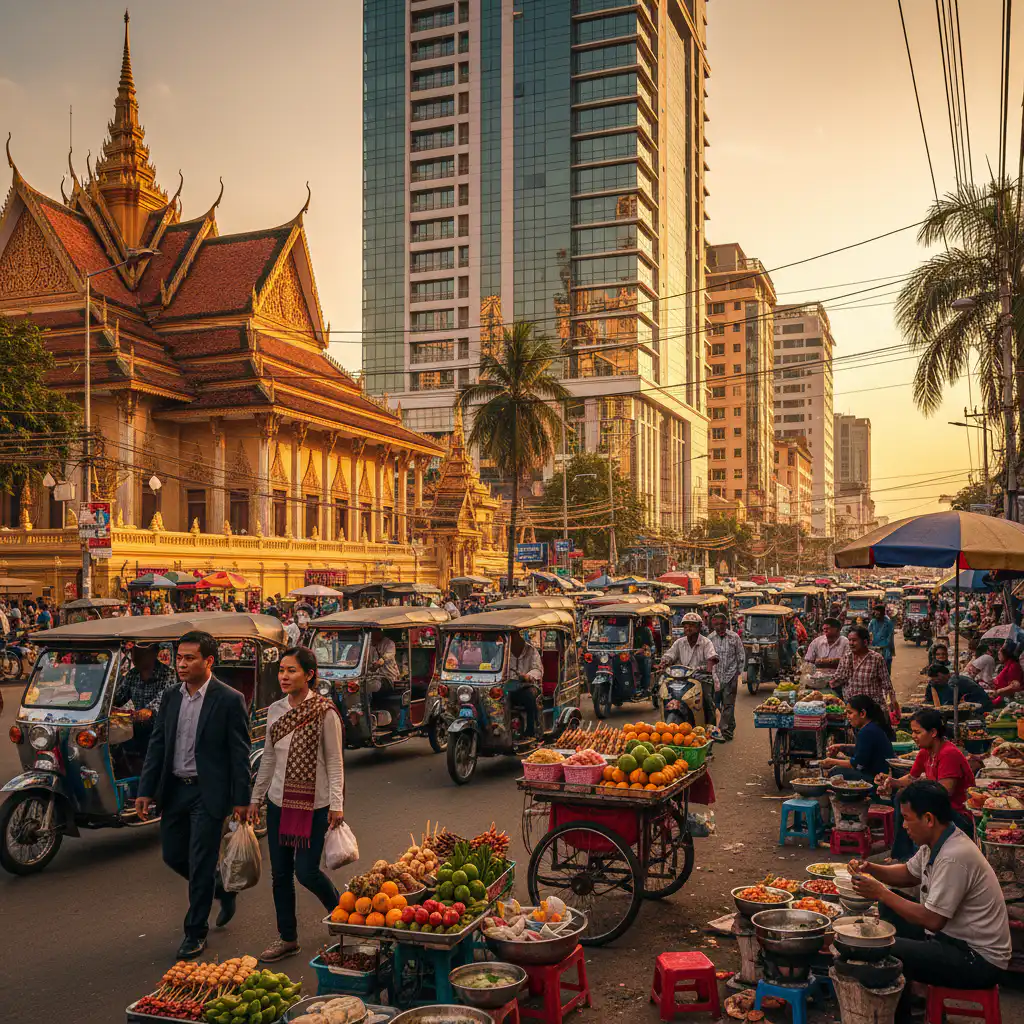
Phnom Penh is a city that delights the senses, and its markets are the perfect place to experience the vibrant local life, sample delicious Khmer cuisine, and find unique souvenirs.
Central Market (Phsar Thmei)
Phsar Thmei, meaning “New Market,” is an iconic Art Deco landmark in Phnom Penh. Its distinctive dome-shaped central building, surrounded by four wings, was designed by a French architect in the 1930s. It’s a bustling hub where locals and tourists alike come to shop for everything imaginable.
- The Experience: The market is a sensory explosion. The central dome houses stalls selling jewelry, gold, silver, and watches, often with competitive prices for bargaining. As you move into the surrounding halls and open-air sections, you’ll find an incredible array of goods: colorful textiles, clothing, handicrafts, souvenirs, electronics, household items, and fresh produce. The aroma of spices and street food fills the air. It’s a fantastic place to practice your bargaining skills, but always do so with a smile and good humor. Even if you’re not looking to buy, wandering through the market is an experience in itself, offering a glimpse into the daily commerce of the city.
- Local Flavors: Within the market’s food sections, you can sample a variety of Khmer snacks and dishes. Look out for fresh tropical fruits, delicious pastries, and local delicacies. It’s a great spot to try some authentic street food in a relatively clean and organized environment.
- Practical Tips:
- Go with an open mind and be prepared to haggle. Start at about 50% of the asking price and meet somewhere in the middle.
- Best visited in the morning when the market is most lively.
- Keep an eye on your belongings, as it can get crowded.
- Be prepared for the heat and humidity; it can get quite warm inside.
- The market is easily accessible by tuk-tuk.
Russian Market (Phsar Tuol Tom Poung)
Phsar Tuol Tom Poung, more commonly known as the Russian Market, is another popular shopping destination, especially for tourists seeking souvenirs and local crafts. It’s named after the large number of Russian expatriates who frequented it in the 1980s.
- The Experience: This market is renowned for its wide selection of souvenirs, including silk scarves, wood carvings, silver jewelry, lacquerware, and replicas of Angkorian temple carvings. You’ll also find a vast array of clothing, including counterfeit designer goods (buyer beware!), electronics, antiques, and household items. The layout is a bit more labyrinthine than the Central Market, with narrow aisles packed with stalls. Bargaining is expected and is a crucial part of the shopping experience here. It’s a great place to find unique gifts and mementos of your trip.
- Local Flavors: While less focused on food than the Central Market, you can still find some local snacks and drinks. The real draw here is the shopping and the energetic atmosphere.
- Practical Tips:
- Similar to the Central Market, bargaining is essential. Be polite but firm.
- Explore different stalls to compare prices and quality.
- The market is covered, offering some respite from the sun, but can still be hot and humid.
- It’s a good place to find more specialized handicrafts.
- Accessible by tuk-tuk.
Night Market (Phnom Penh Night Market)
Located along the Tonle Sap River, the Phnom Penh Night Market is a vibrant hub that comes alive after sunset. It’s a more relaxed and atmospheric shopping experience, combined with a lively food court.
- The Experience: The market features dozens of stalls selling clothing, accessories, handicrafts, and souvenirs. It’s a popular spot for locals to unwind, shop, and dine. The ambiance is enhanced by the gentle river breeze and the soft glow of the market lights. It’s a great place to stroll, people-watch, and pick up some last-minute gifts.
- Local Flavors: The food court area is a major highlight. Here, you can sample a wide variety of Cambodian street food from numerous vendors. From grilled meats and seafood to noodle soups and sweet desserts, it’s a culinary adventure. You can sit at communal tables, enjoy the lively atmosphere, and savor authentic Khmer flavors at very affordable prices.
- Practical Tips:
- Best visited in the evening, typically from 5:00 PM onwards.
- The food court offers a fantastic opportunity to try various local dishes.
- Bargaining is still practiced, though perhaps less intensely than in the daytime markets.
- It’s a pleasant place for an evening stroll.
Statistics: Cambodia’s handicraft sector is a significant contributor to its economy, with markets like these providing livelihoods for thousands of artisans and vendors. Silk weaving, wood carving, and silverwork are traditional crafts passed down through generations.
4. Riverside Charm and Sunset Views: Sisowath Quay and the Mekong River
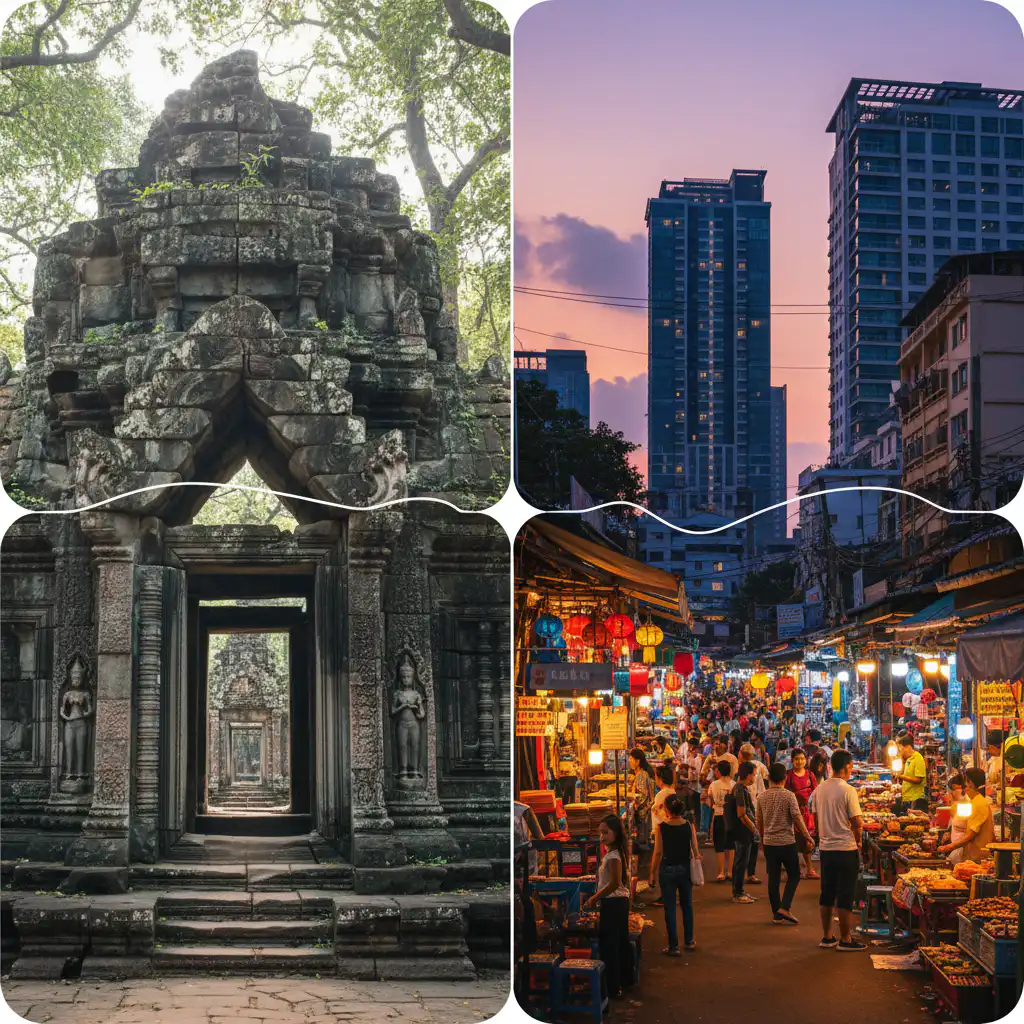
Phnom Penh’s identity is intrinsically linked to its rivers – the Tonle Sap, the Mekong, and the Bassac. The riverside promenade, Sisowath Quay, offers a refreshing escape from the city’s hustle and bustle and is the perfect place to experience the city’s vibrant social life and enjoy stunning natural beauty.
Sisowath Quay
Stretching along the west bank of the Tonle Sap River, Sisowath Quay is a lively promenade that serves as the city’s social heart. Lined with hotels, restaurants, cafes, and bars, it’s a popular spot for locals and tourists to stroll, exercise, and socialize, especially in the cooler hours of the morning and late afternoon.
- The Experience: Walking along the quay, you’ll see families enjoying picnics, vendors selling snacks and drinks, and people engaging in various recreational activities. The atmosphere is generally relaxed and convivial. It’s a great place to observe daily Cambodian life unfold. You’ll encounter street performers, impromptu gatherings, and a general sense of community. The buildings along the quay showcase a mix of colonial architecture and modern development, reflecting the city’s evolving landscape.
- Practical Tips:
- Best enjoyed in the early morning or late afternoon/evening when the temperature is more pleasant.
- Plenty of cafes and restaurants offer great views of the river.
- It’s a safe area for a stroll, but always be aware of your surroundings, especially after dark.
Mekong River Cruises
A cruise on the Mekong River is a quintessential Phnom Penh experience, offering a different perspective of the city and its surroundings. Various cruise options are available, from short sunset trips to longer excursions.
- The Experience: A sunset cruise is particularly popular. As the sun dips below the horizon, painting the sky in hues of orange, pink, and purple, you’ll glide along the water, watching the city lights begin to twinkle. These cruises often include drinks and light snacks. You’ll pass floating villages, witness local life along the riverbanks, and see the confluence of the Mekong and Tonle Sap rivers. Some longer cruises might visit nearby islands or offer a glimpse into rural life. It’s a tranquil and romantic way to experience Phnom Penh, away from the city’s noise. The gentle movement of the boat and the vastness of the river provide a sense of calm and perspective.
- Historical Context: The Mekong River has been the lifeblood of Cambodia for centuries, serving as a vital transportation route and a source of sustenance. Understanding its importance is key to understanding Cambodia’s history and culture. The river witnessed the rise and fall of empires and continues to be central to the lives of millions.
- Practical Tips:
- Book your cruise in advance, especially during peak season.
- Sunset cruises are highly recommended for the best views.
- Check what is included (drinks, snacks, commentary).
- Various companies operate from Sisowath Quay.
- Consider a longer day trip if you want to explore further upriver or visit nearby islands.
Expert Opinion: “The Mekong River is the soul of Phnom Penh. Experiencing it from the water, especially at sunset, offers a unique blend of tranquility and insight into the rhythm of Cambodian life. It’s a moment of peace amidst the city’s dynamism.” – Local tour guide with over 15 years of experience.
5. Artistic Expression and Cultural Immersion: Museums and Performing Arts
Beyond its historical sites and bustling markets, Phnom Penh offers avenues for deeper cultural immersion through its museums and vibrant performing arts scene.
National Museum of Cambodia
The National Museum is home to one of the world’s most important collections of Khmer art, housing artifacts spanning from the pre-Angkorian period to the post-Angkorian era. The museum building itself is a masterpiece of Khmer architecture, designed by George Groslier in the 1920s.
- The Experience: Inside, you’ll find an exquisite array of sculptures, ceramics, bronzes, and ethnographic objects. The collection focuses on religious art, with many pieces originating from Angkor Wat and other ancient temples. Highlights include stunning sandstone sculptures of Hindu and Buddhist deities, intricate carvings, and ceremonial objects. The museum’s galleries are arranged chronologically, allowing visitors to trace the evolution of Khmer art and culture. It’s a quieter, more contemplative experience than the bustling markets, offering a chance to appreciate the artistic genius of the Khmer civilization. The open-air courtyards with their tranquil ponds and tropical plants add to the serene atmosphere.
- Historical Significance: The museum serves as a vital repository of Cambodia’s cultural heritage, safeguarding priceless artifacts and providing invaluable insights into the nation’s rich history and artistic traditions. It plays a crucial role in preserving and promoting Khmer culture for future generations.
- Practical Tips:
- Allow 2-3 hours to fully appreciate the collection.
- Photography is generally allowed, but check for specific restrictions.
- The museum is located near the Royal Palace, making it convenient to visit both on the same day.
- Consider hiring a guide or using an audio guide for more in-depth information.
Apsara Dance Performance
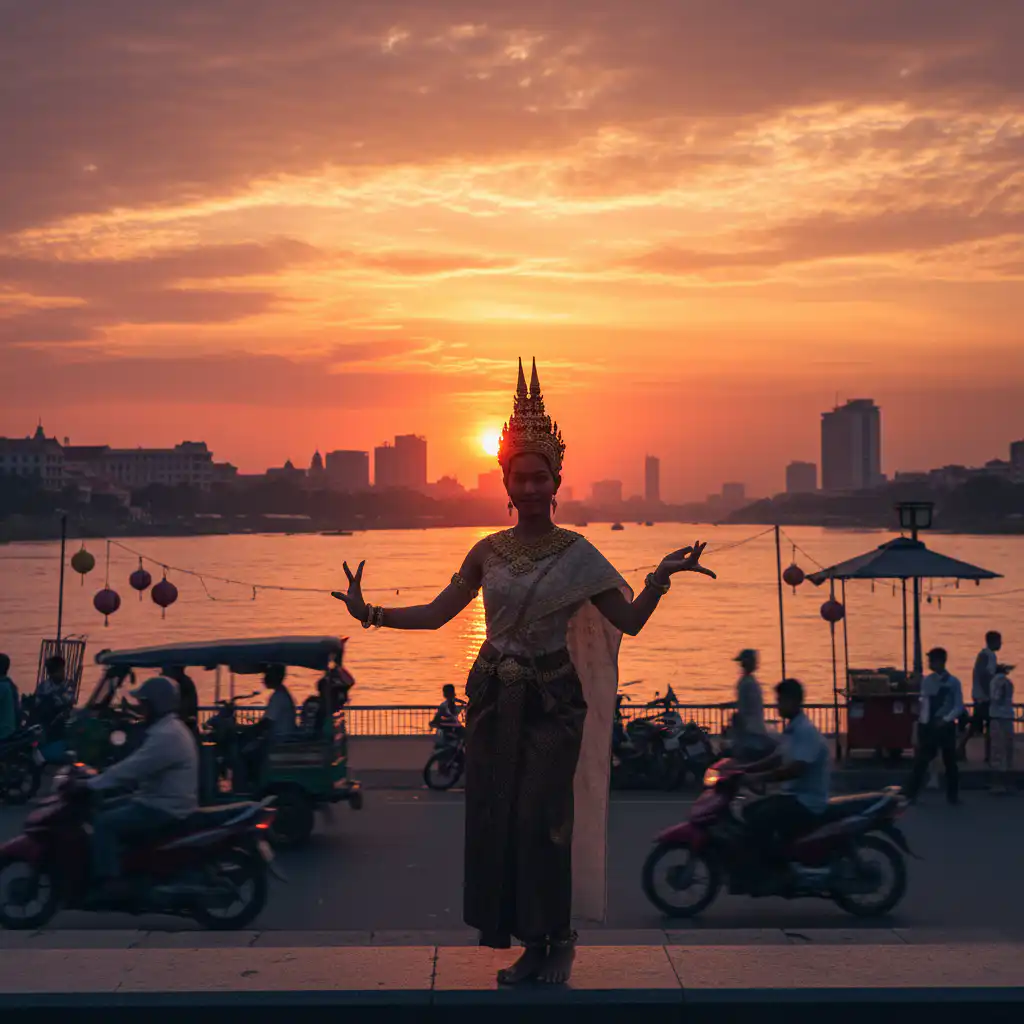
Witnessing an Apsara dance performance is a magical journey into the heart of traditional Khmer performing arts. These graceful and intricate dances, often performed at hotels or cultural centers, are a living embodiment of ancient Khmer mythology and spirituality.
- The Experience: Apsara dancers, adorned in elaborate costumes and headdresses, perform slow, stylized movements, telling stories from Hindu epics like the Ramayana and Mahabharata, as well as Cambodian folklore. Each gesture, hand movement, and facial expression carries symbolic meaning. The music, played on traditional instruments like the Roneat Ek (a xylophone) and the Skor Thom (large drums), is mesmerizing. While formal performances are less common now, many hotels offer dinner shows featuring Apsara dancers, providing a convenient and enjoyable way to experience this beautiful art form. The precision, elegance, and spiritual depth of the dancers are captivating.
- Cultural Significance: Apsara dance is considered one of Cambodia’s most sacred art forms, with roots dating back to the Angkorian era. It was nearly lost during the Khmer Rouge regime but has been painstakingly revived. It represents the continuity of Khmer culture and its deep connection to its historical and spiritual past. The dances are not merely entertainment; they are a form of storytelling and a connection to the divine.
- Practical Tips:
- Check with your hotel or local tourist information for performance schedules and locations.
- Dinner shows are a popular option, combining a meal with the performance.
- Book tickets in advance if possible.
- Be respectful during the performance; avoid loud talking or flash photography.
External Links for Further Exploration:
- Royal Government of Cambodia Ministry of Tourism: www.tourismcambodia.org – Official tourism portal for Cambodia, offering information on destinations, attractions, and travel advisories.
- The Documentation Center of Cambodia (DC-Cam): www.dccam.org – An independent research institute dedicated to documenting the Khmer Rouge period and promoting justice and reconciliation. Their resources offer deeper historical context.
- UNESCO World Heritage Centre – Angkor: whc.unesco.org/en/list/668 – While focusing on Angkor, this page provides crucial context for understanding the artistic and historical legacy that influences much of Cambodia’s cultural heritage, including artifacts found in Phnom Penh.
Conclusion: A City of Resilience and Revelation
Phnom Penh is a city that leaves an indelible mark on every visitor. It’s a place where the weight of history is palpable, yet the spirit of resilience shines brightly. From confronting the poignant truths of the past at the Killing Fields and Tuol Sleng to marveling at the regal splendor of the Royal Palace and the artistic treasures of the National Museum, Phnom Penh offers a journey of profound discovery. The vibrant energy of its markets, the tranquil beauty of its riverside, and the captivating grace of its traditional arts all contribute to its unique charm.
Navigating Phnom Penh is an experience in contrasts – the chaos of traffic alongside moments of serene contemplation, the echoes of tragedy alongside the vibrant pulse of a nation looking towards the future. It’s a city that demands engagement, encourages reflection, and ultimately rewards visitors with a deeper understanding of Cambodia’s complex history and its hopeful trajectory. Whether you’re seeking historical enlightenment, cultural immersion, or simply the vibrant energy of a Southeast Asian capital, Phnom Penh delivers an unforgettable experience.
Frequently Asked Questions (FAQs)
Q1: What is the best time of year to visit Phnom Penh?
A1: The best time to visit Phnom Penh is during the dry season, which runs from November to May. The cooler months, from November to February, offer the most pleasant temperatures and lower humidity, making it ideal for sightseeing. The hot season (March to May) can be quite intense. The rainy season (June to October) brings occasional downpours, but usually, they are short-lived, and the landscape is lush and green.
Q2: Is Phnom Penh safe for tourists?
A2: Phnom Penh is generally considered safe for tourists. However, like any major city, petty crime such as pickpocketing and bag snatching can occur, especially in crowded areas like markets and tourist attractions. It’s advisable to be aware of your surroundings, avoid displaying valuable items openly, and use reputable transportation services. The sites related to the Khmer Rouge regime are emotionally challenging but are managed in a way that prioritizes visitor safety and respect.
Q3: What currency is used in Phnom Penh, and is it easy to exchange money?
A3: The official currency is the Cambodian Riel (KHR). However, the US Dollar (USD) is widely accepted and often preferred for larger purchases and tourist-related services. Many prices are quoted in USD. ATMs dispense both USD and Riel. Exchanging money is easy; you can do so at banks, currency exchange kiosks, and even some hotels. It’s a good idea to carry smaller denominations of USD for daily expenses and bargaining.
Q4: How should I dress when visiting temples and the Royal Palace in Phnom Penh?
A4: A strict dress code is enforced when visiting religious sites and the Royal Palace. Visitors must cover their shoulders and knees. This means wearing long pants, long skirts, or dresses that reach below the knee, and tops with sleeves. Avoid shorts, miniskirts, sleeveless tops, and revealing clothing. Failure to adhere to the dress code may result in denied entry.
Q5: What are some essential Khmer phrases I should know?
A5: Learning a few basic Khmer phrases can greatly enhance your experience and show respect to the locals.
- “Sus-dei” (Hello)
- “Arkoun” (Thank you)
- “Som tos” (Excuse me / Please)
- “Bao man?” (How much?)
- “Sabaidee” (Are you well? / Hello – informal)
- “Chhnganh” (Delicious)
- “La-or” (Good)
- “Bong”/”Bong-Srey” (Brother/Sister – used to address someone older, male/female)
Q6: Are there any specific etiquette tips I should be aware of in Phnom Penh?
A6: Yes, respecting local customs is important. Always remove your shoes before entering a home or a temple. Avoid pointing your feet at people or religious icons, as this is considered disrespectful. When greeting someone, a slight bow with palms pressed together (like a prayer) is common, known as “Sampeah.” It’s polite to use your right hand when giving or receiving items. When visiting the Killing Fields or Tuol Sleng, maintain a respectful and somber demeanor.